


July 16, 2025
For Kelly Dix Van, Everyday Architecture Matters
About a mile away from the Walled City Center of Cartagena, Colombia, lies an ordinary street characterized by low-slung concrete homes, mismatched bricks, cracked plaster facades, and the cacophony coming from buildings in various states of construction. But for Kelly Dix Van, this familiar Latin American street and its everyday, popular buildings offer valuable lessons in material reuse.
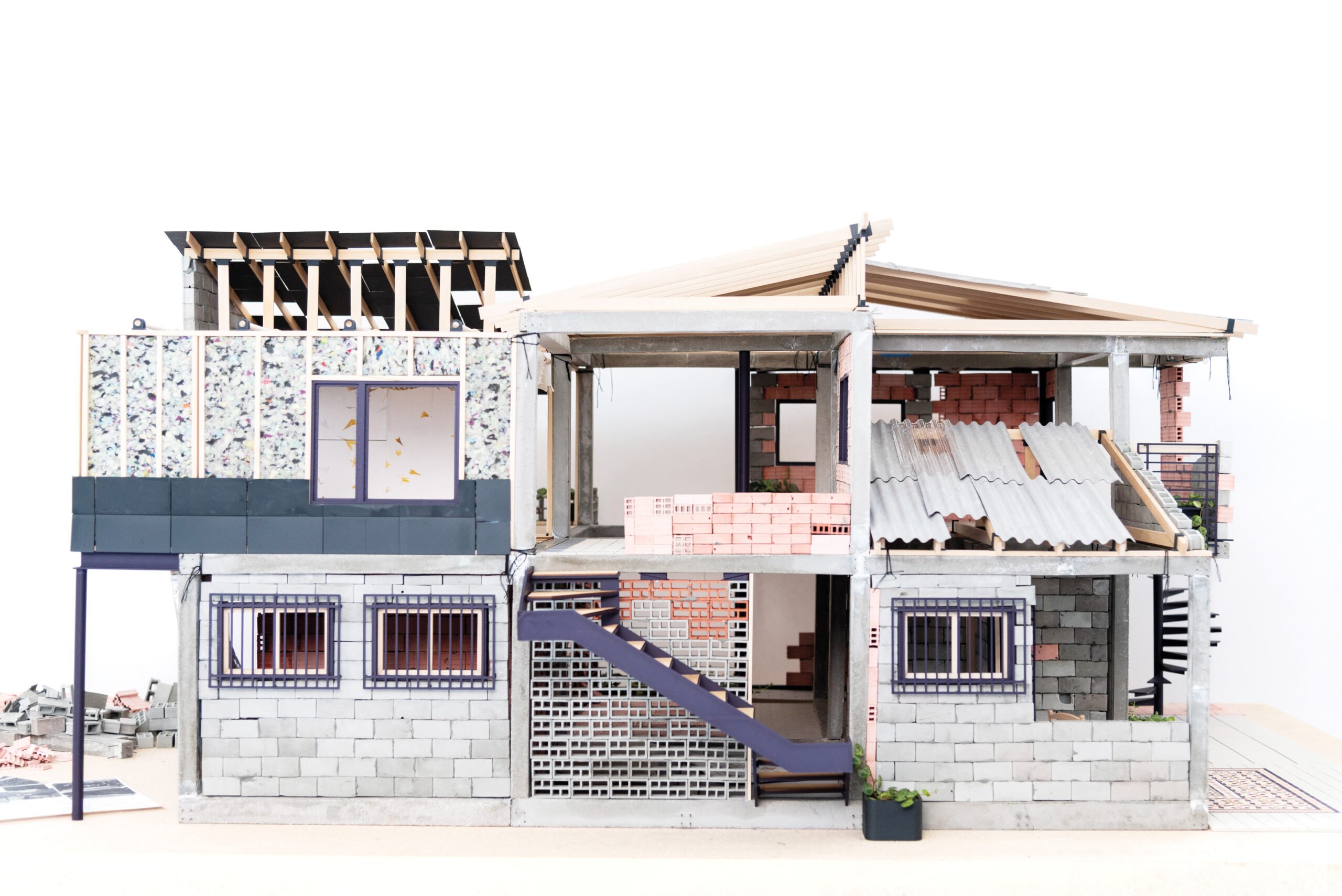
“More than 40 percent of the built environment is unregulated and does not follow the rules of construction. The cities of Latin America have witnessed the existence of a type of city that is built day by day, completely detached from public policies and real estate projects produced by private initiatives,” writes Dix Van in her thesis zine, Everyday, Popular, Matters. The site of her thesis research, Paseo Bolívar, is in a constant state of flux, representing the speed of Cartagena’s informal urban growth. This makes it a perfect case study for Dix Van to explore her research question: “Can we think of material reuse in ways that integrate heritage, people, labor, memories, knowledge, economies of production, and domestic acts?”
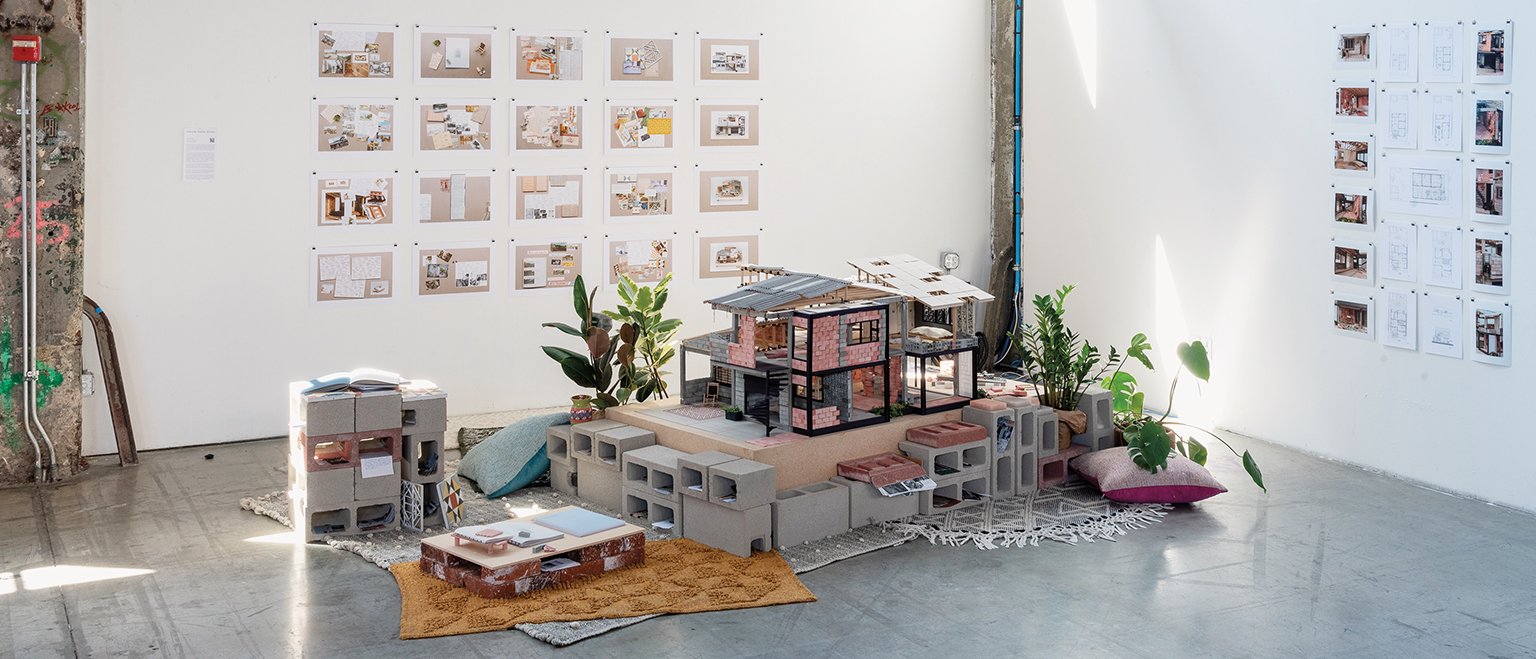
Through photography and intricate handmade models, Dix Van catalogs fragments of materials from her site, creating a historical account of each material found in the house, from cast concrete blocks to encaustic cement tiles to hollow clay bricks. For her, self-built communities offer a more “cohesive solution to housing and urban needs,” and the builders have developed ways of cataloging and redistributing end-of-life salvage building components. “When you come from a country of limited resources, you’re used to not wasting them.”
Would you like to comment on this article? Send your thoughts to: [email protected]
Latest
Viewpoints
Sustainability News Updates for Q4 2025
A year of policy ups and downs in the United States has created a fragmented regulatory landscape for the building industry to navigate.

Viewpoints
What Is and Is Not Biophilic Design?
The creator of the concept of Biophilic Design explains effective strategies that keep us healthy by bring us closer to nature.