


September 29, 2025
The Future is…Fungi?
I first learned of building materials made from mycelium—the underground rootlike structure of mushrooms—in 2018 when I was a graduate student research assistant at Parsons School of Design’s Donghia Healthier Materials Library. When eager interior design students entered the library, I was quick to point out my favorite materials on the shelves—kombucha leather, wool insulation, hemp-fiber boards, and of course, mycelium composites.
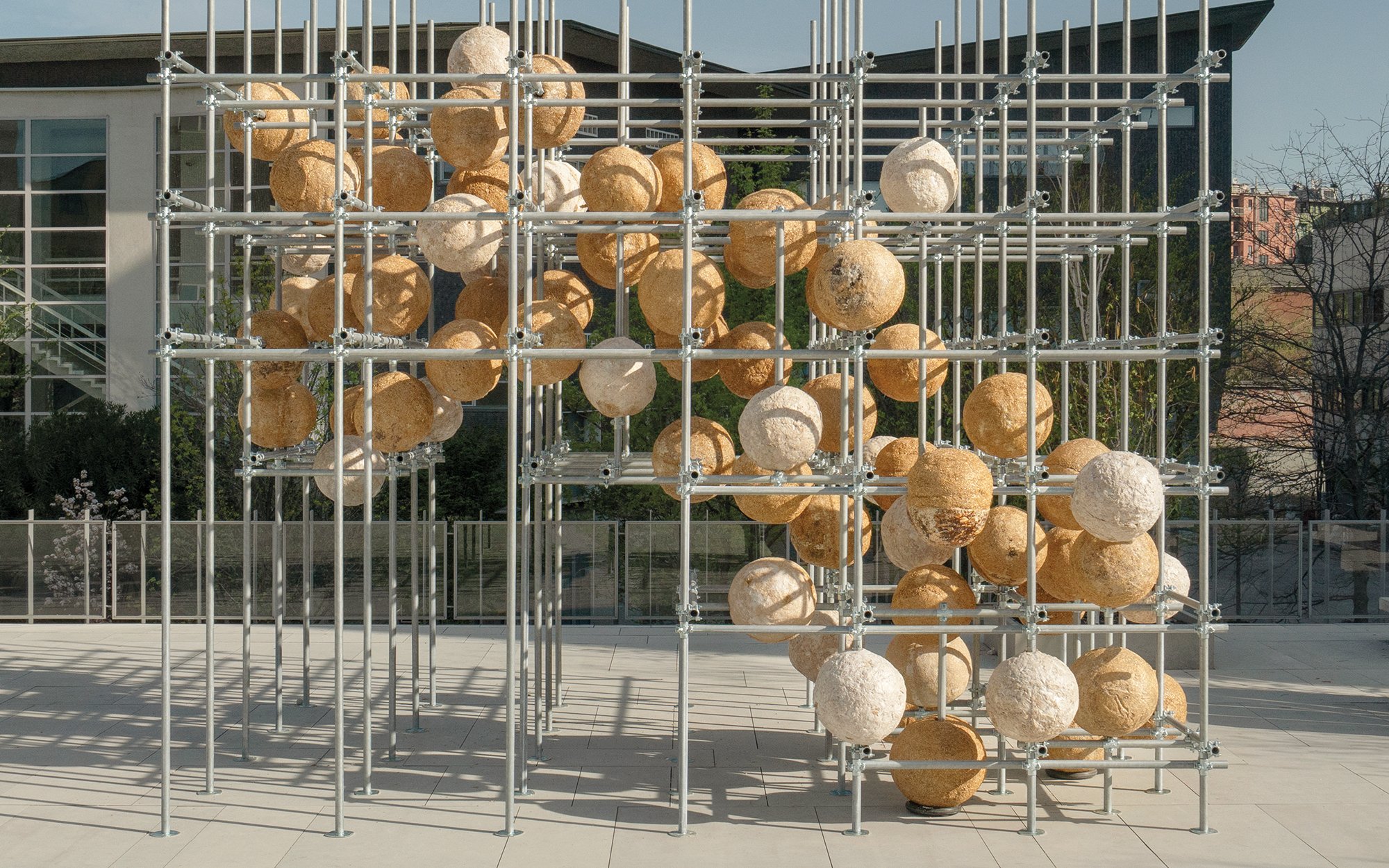
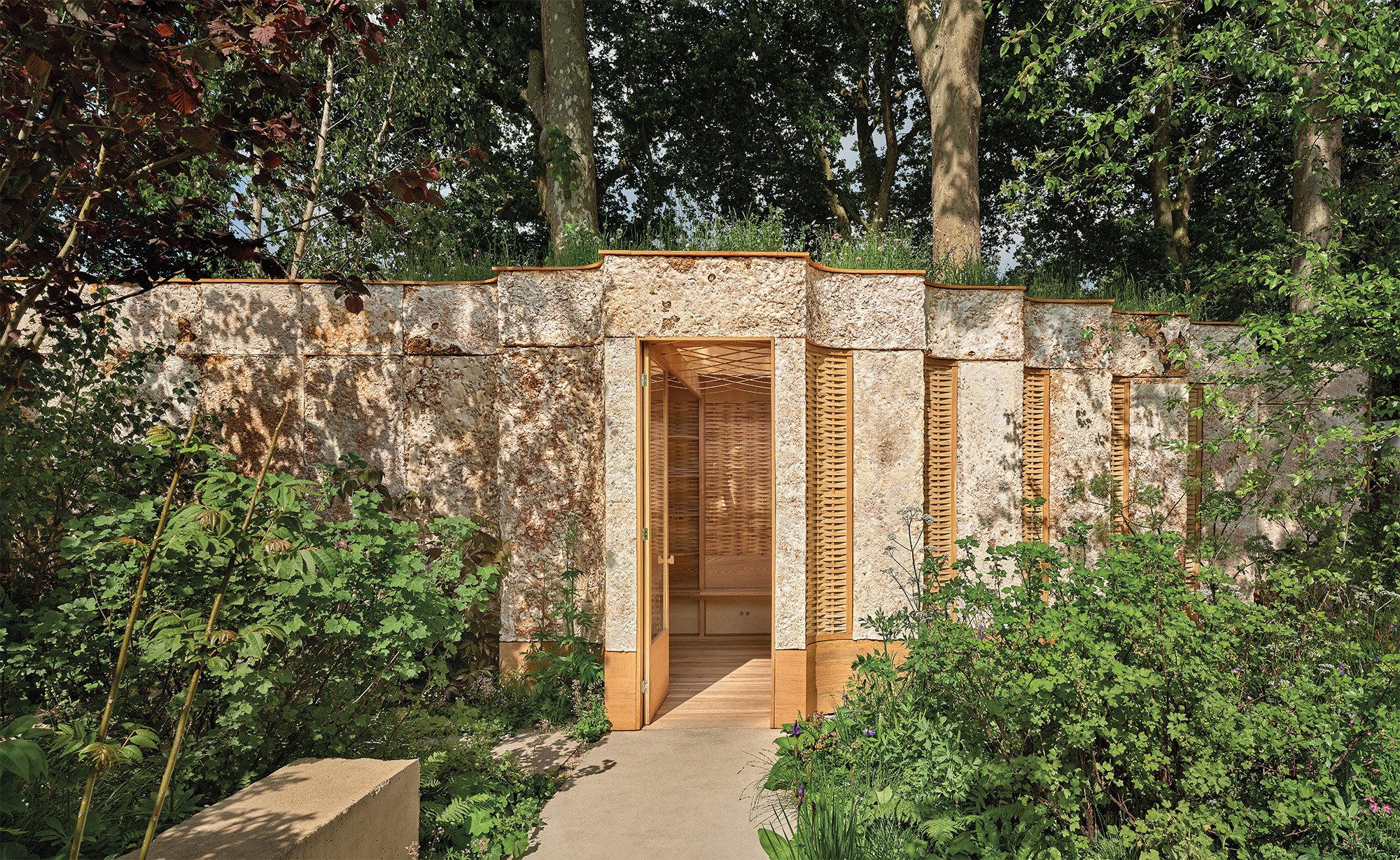
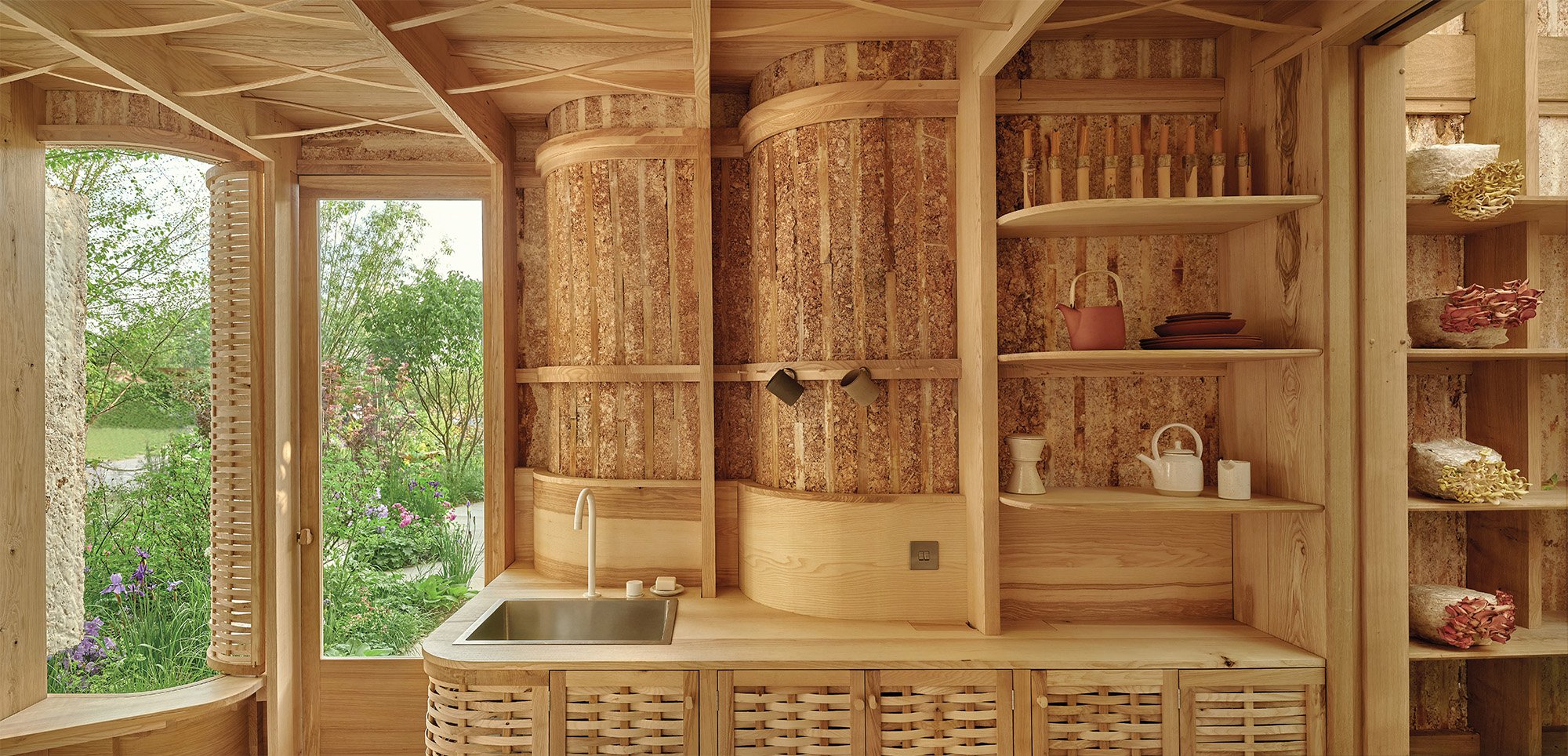
A lot has happened in the industry since 2018. David Benjamin, Autodesk’s lead on net-zero buildings, is researching how to create affordable housing in Oakland with mycelium. Designers have been experimenting with incorporating it into upholstery materials, lighting, acoustic panels, exterior cladding, and even structural blocks. This year alone, mycelium has been featured at various global design fairs in installations like Henning Larsen’s Growing Matter(s) at Milan Design Week 2025, Expo 2025 Osaka’s German Pavilion, and Studio Weave’s Intelligent Garden and Building at the Chelsea Flower Show.
Yet, despite all the rigorous research and playful pavilions, the material remains largely out of reach for everyday builders and consumers.
Is mycelium merely a fungal fantasy destined to be another fad in the history of green building? METROPOLIS has gathered insight and speculation from industry experts in search of answers to five questions on building and designing with nature’s oldest organism.
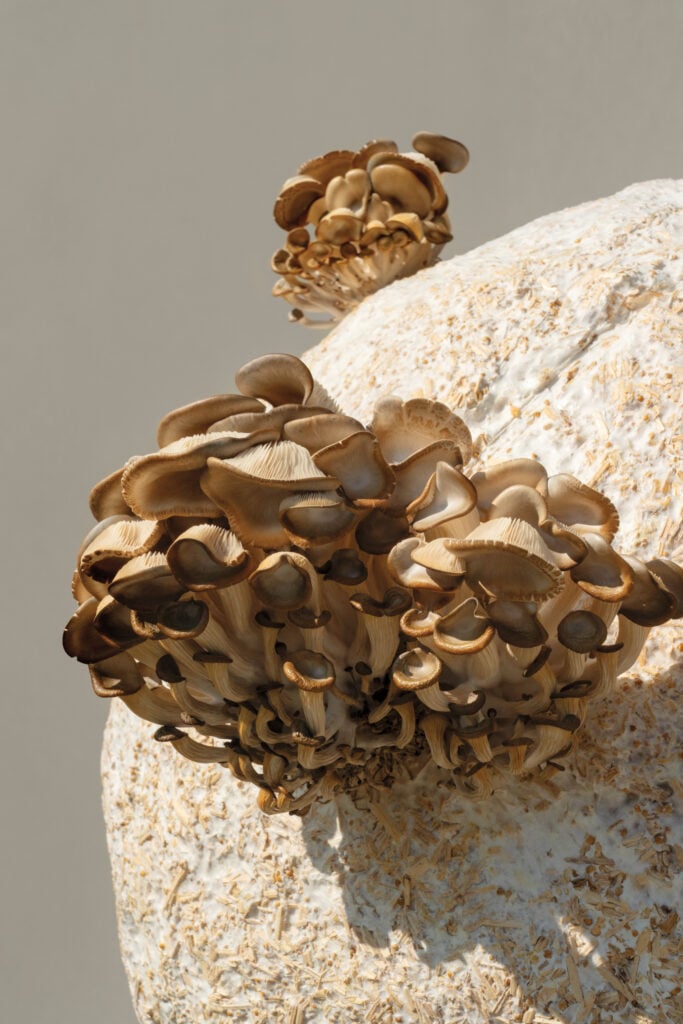
What if our homes were made out of mushrooms?
Since antiquity, the primary use of mushroom cultivation has been food production. Only since 2006 have fungi been explored for their potential in construction.
“You take the mycelium and pair that with a plant waste, and then, when you give it time and space to grow, you get mushrooms—which is what we’ve historically done,” explains architect Christopher Maurer at From Field to Form: Mycelium, an event hosted by Parsons Healthy Materials Lab and the Architectural League of New York last November. “And then mushroom cultivators would largely get rid of that material [mycelium].”
Maurer and his Cleveland, Ohio–based firm, Redhouse Architecture, have been developing solutions that transform this by-product of mushroom cultivation into both food and buildings.
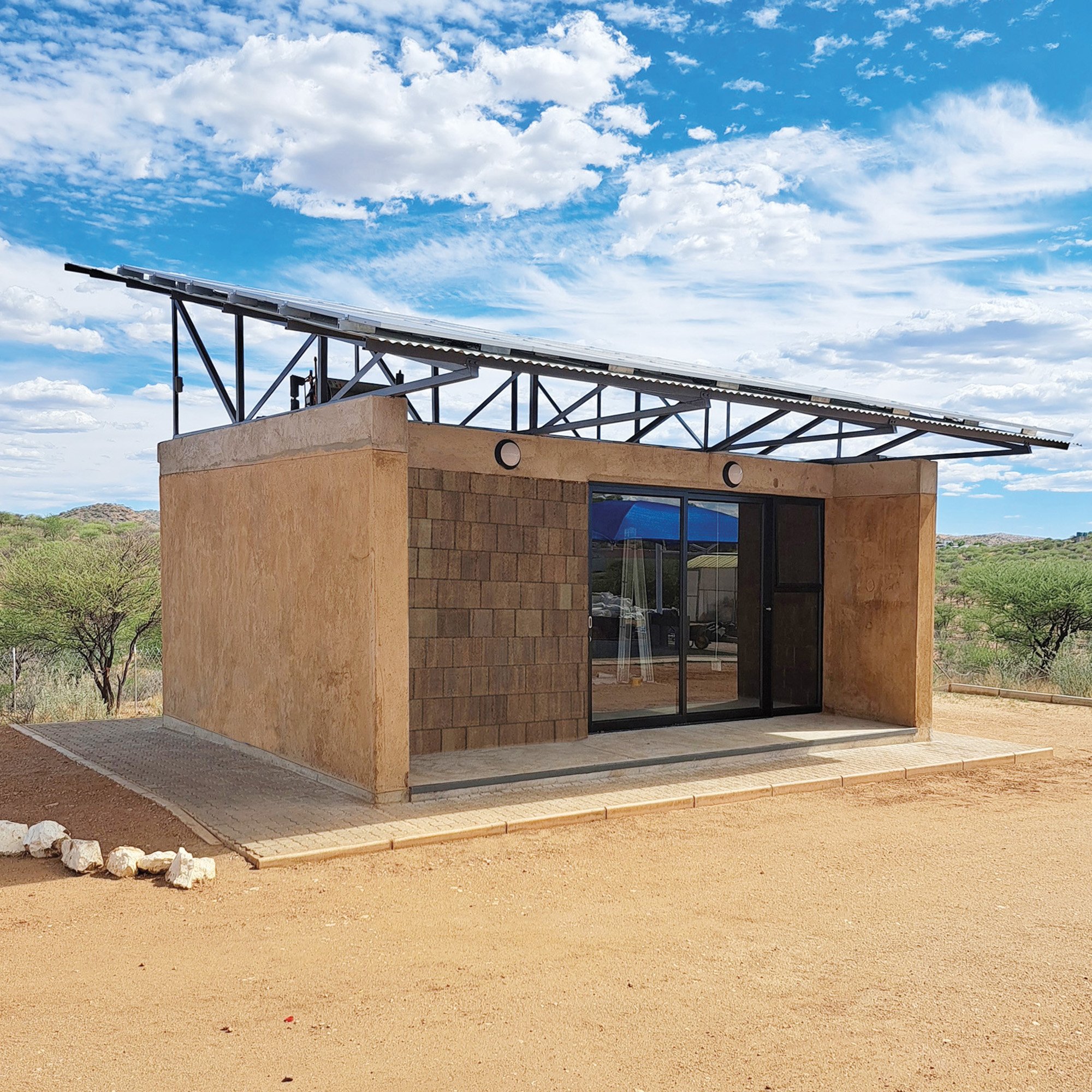
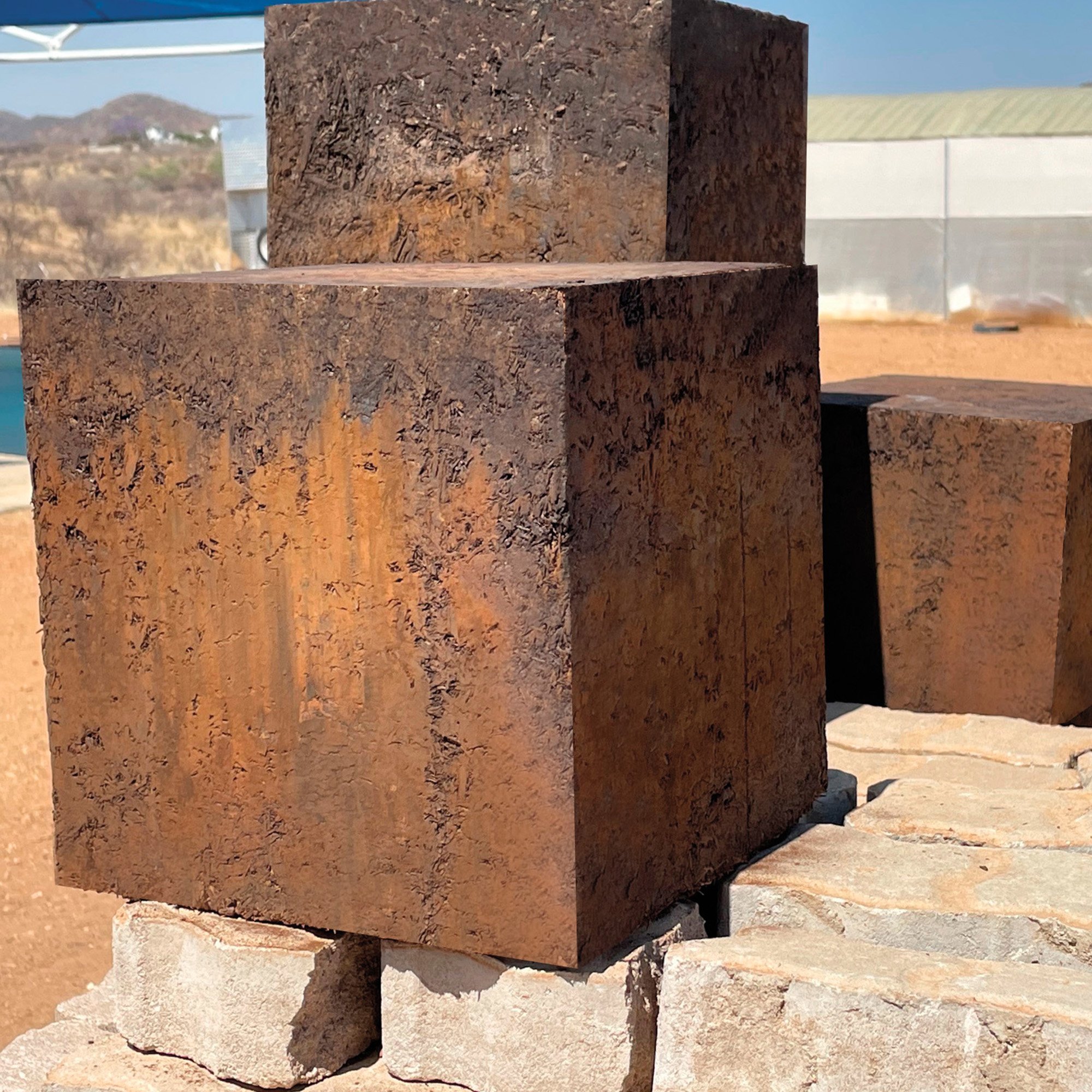
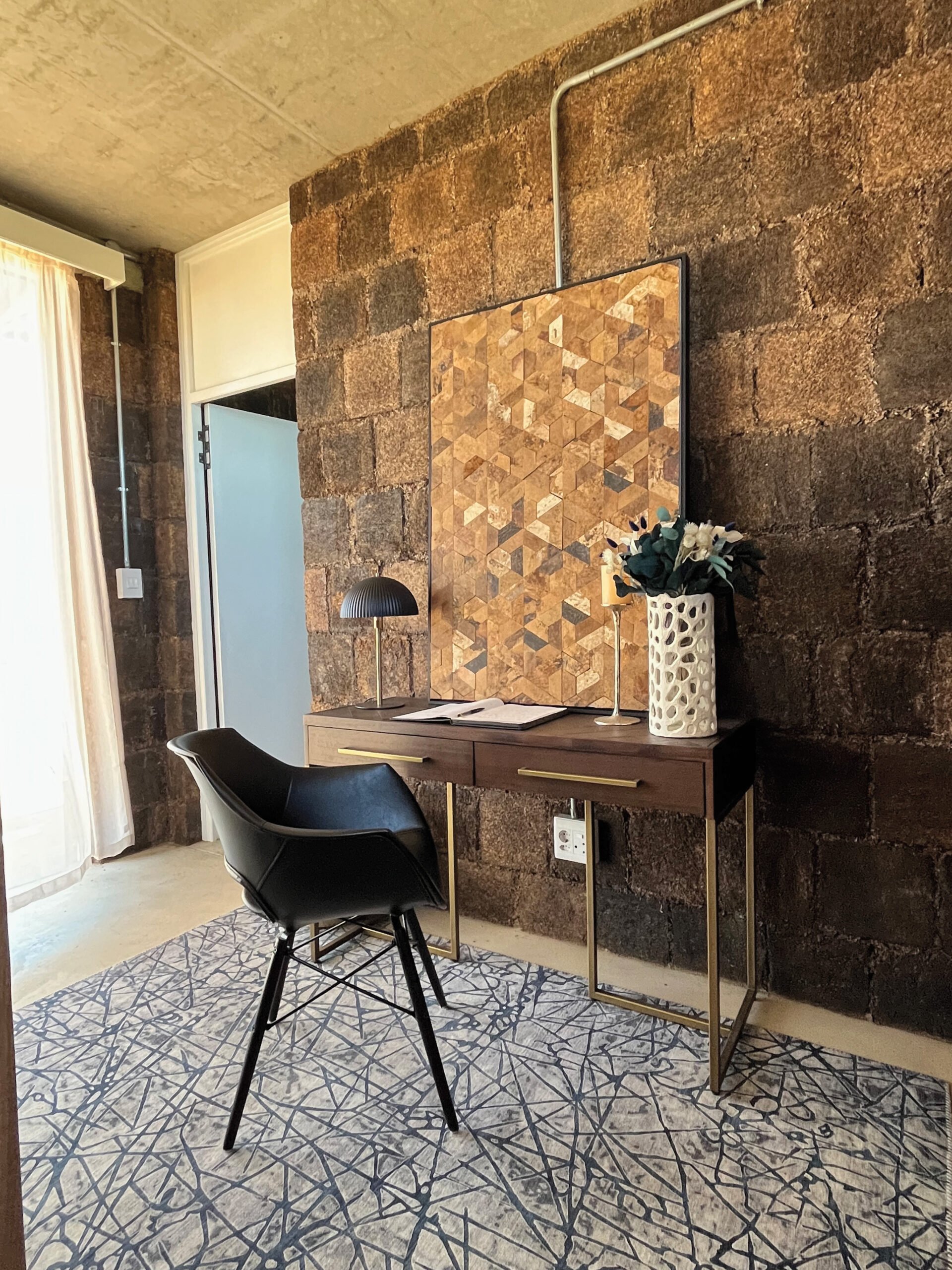
His studio first began testing the concept in Namibia with a project called MycoHab, a proposal based on one-story buildings constructed out of mycelium-based blocks for people living in informal settlements. Redhouse achieved this by growing edible mushrooms on the waste of the country’s invasive encroacher bush, then pressing the remaining mycelium into strong, carbon-storing blocks. “If we can take that material and convert it into both food and housing at the same time, not only are we using it to feed people, but we can be storing carbon dioxide to keep it from releasing into the environment,” Mauer says.
The resulting structure, made from 1,000 of these blocks, is often cited as the world’s first structural mycelium building.
Can mycelium be stronger than concrete?
Mycelium composites, it turns out, can withstand harsh conditions—thin atmosphere, low temperatures, and strong winds. And in recent years, the material has made headlines highlighting its surprising strength—touting that mycelium blocks have the potential to be twice as strong as their concrete counterparts.
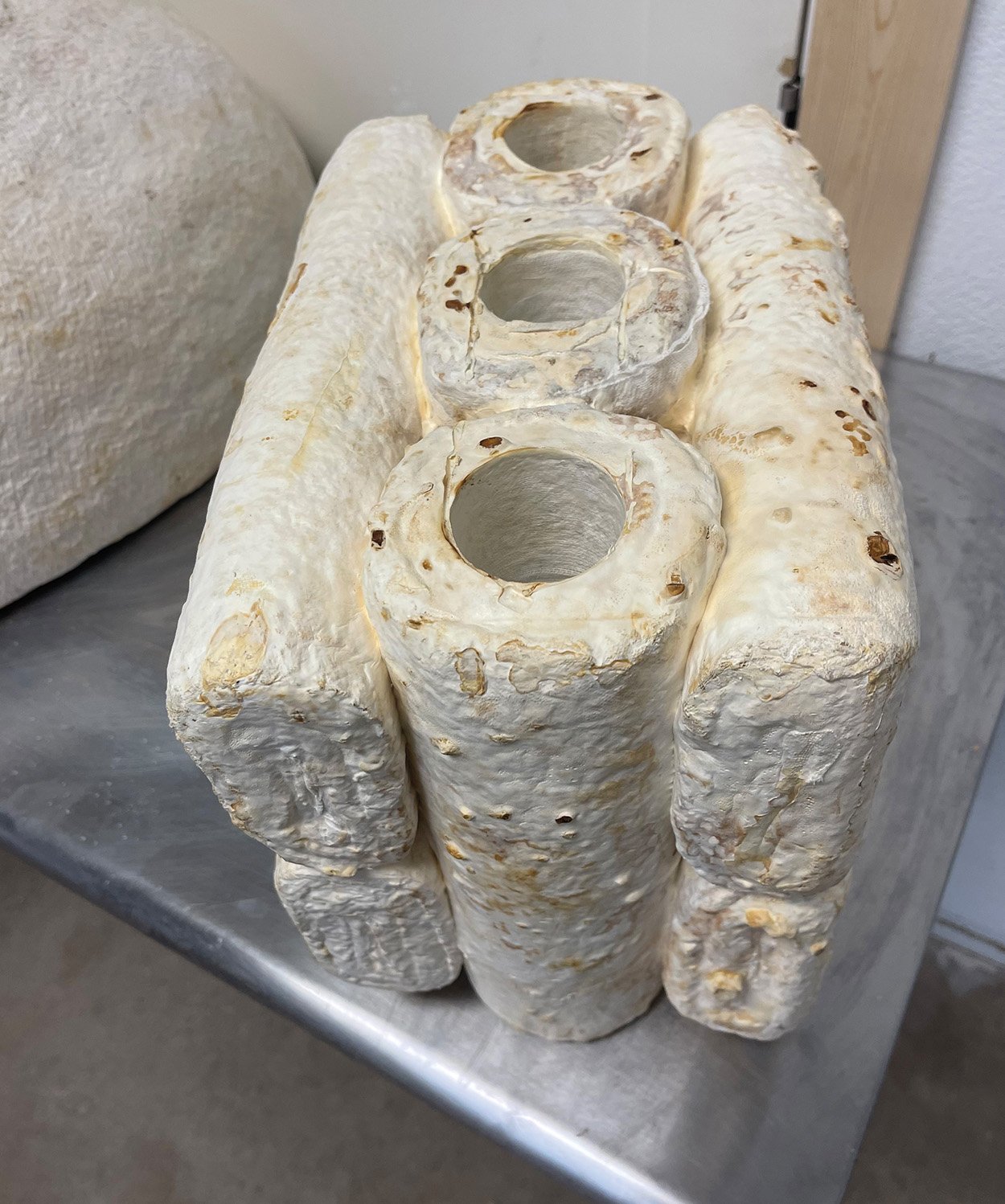
Maurer says that the density of his mycelium-based building blocks is similar to that of wood, and the mass—at a little below 29 pounds—is similar to that of a concrete block. With a compressive strength of six megapascals, the blocks are, he notes, about twice as strong as a compressed earth block. “We’ve actually made materials that go up to twenty-six megapascals, which is similar to reinforced concrete. These are very strong materials.” And not only that, he claims that every ton of material that Redhouse makes sequesters a ton of carbon dioxide. (The concrete industry basically produces a ton of CO2 for every ton of material made.)
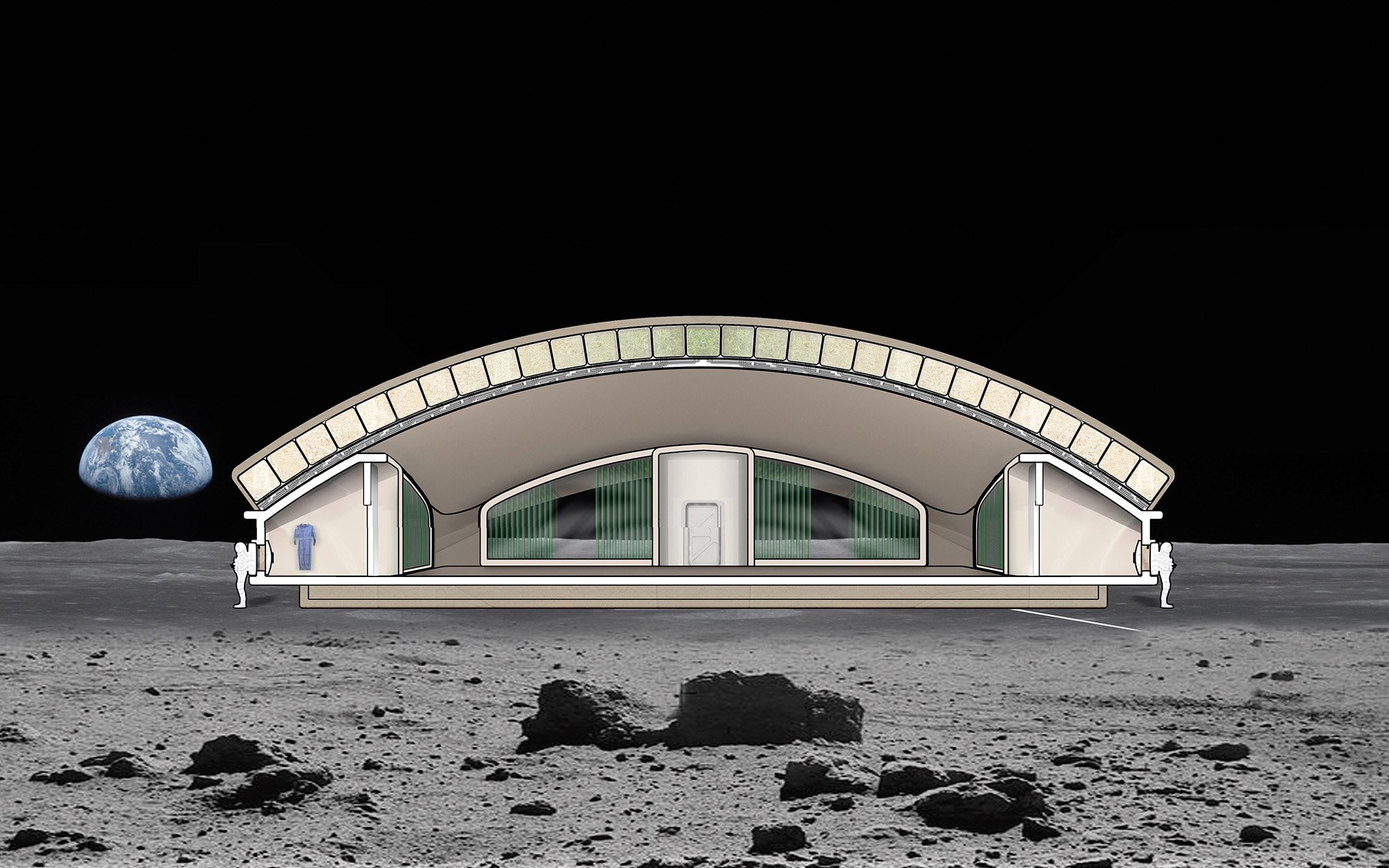
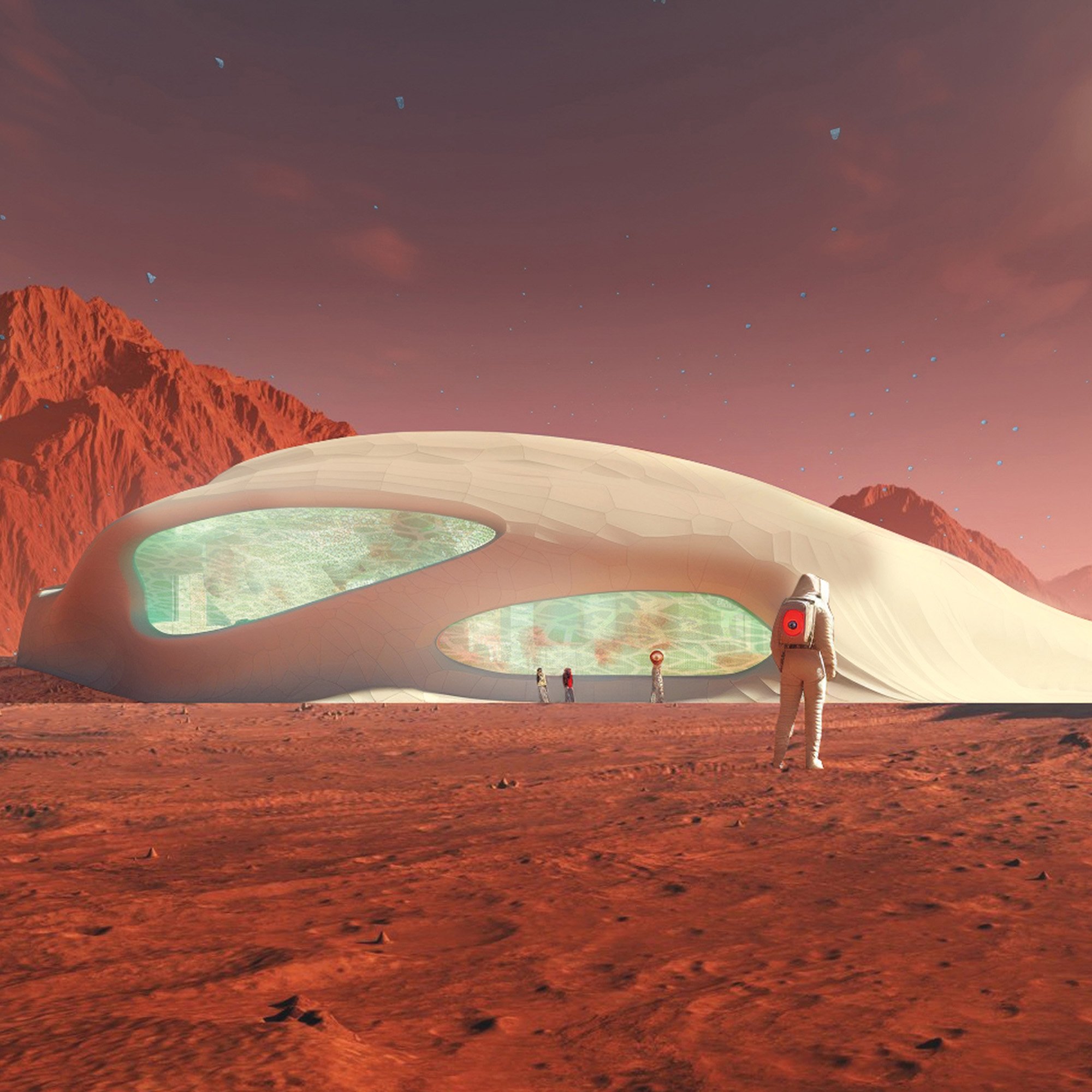
Another innovator in structural mycelium is okom wrks labs, a start-up with a patented mycelium-based biocomposite system called zerø‑frm. Cofounded by artist and designer Joshua English in 2018, okom wrks has a modular system that is made from three ingredients: mycelium, hemp hurd, and organic cotton.
For okom wrks cofounder Chris Magwood, there are many nuances to consider when it comes to the structural and load-bearing properties of mycelium. While the material is strong, assertions that it can replace concrete should be taken with a grain of salt. “The very nature of mycelium is lightweight, and its best strength is tensile, not compressive,” he tells METROPOLIS. “Nothing biological is ever going to have the compressive strength of rock or concrete unless it’s compressed to the greatest possible extent, in which case we’re using a lot of biological material and a lot of energy to achieve what stone already achieves naturally.”
Can fungi eat our pollutants?
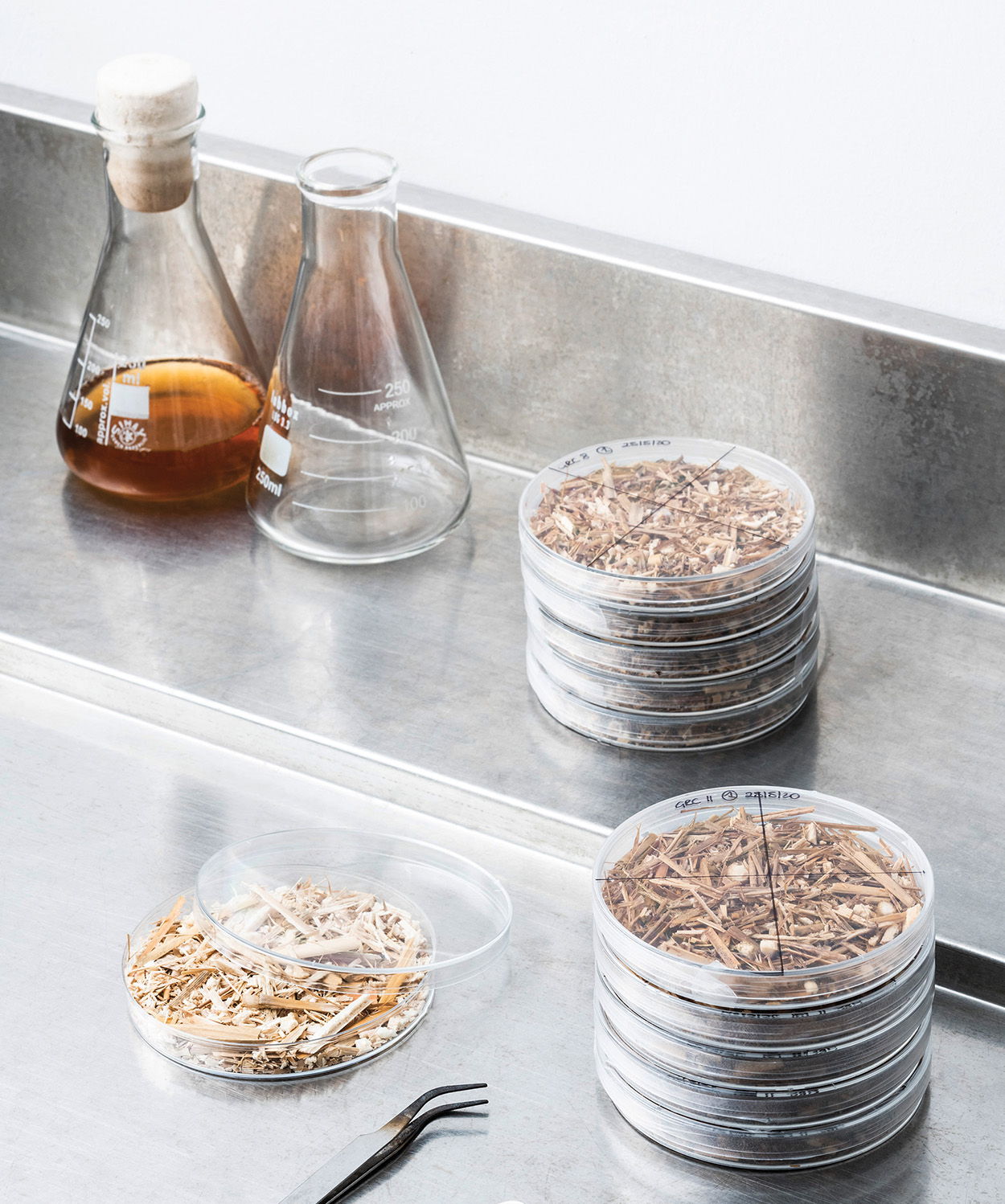
It’s estimated that construction and demolition account for one-third of the world’s overall waste. For Tarkett, a global leader in commercial flooring, one response is fungi. During the summer of 2024, the company partnered with Mycocycle, a Chicago-based biotech firm founded in 2018 to leverage the root structure of mushrooms to break down construction waste. The company blends lab-cultivated fungi with debris to detoxify hard-to-recycle building components and turn them into raw materials.
Tarkett was introduced to the company at a recycling conference in 2023 where Mycocycle’s founder and CEO, Joanne Rodriguez, presented her research on how mycelium can “eat” construction waste—gypsum, rubber, and asphalt—in a matter of weeks. The mycelium also decomposed old carpet and transformed it into “a clean and usable, biobased material.”
Rodriguez explained at that conference, “Fungi have been recycling nature for a long time. They are the best and only known remediators of heavy hydrocarbons known to be Class 1 carcinogens. The mycelium not only thrives on construction waste, but they also become a fruiting body, indicating a very happy environment for the fungi.”
With Mycocycle, Tarkett plans to test the effects of mycelium on all types of flooring collected through its take-back and recycling program, ReStart, and in the future, it hopes to incorporate the by-product into new flooring products.
As a proof of concept, Tarkett connected Mycocycle with global design firm Gensler while renovating its Washington, DC, office. There, the firm’s old broadloom carpet was sent to ReStart for processing and then to Mycocycle, where it was broken down. Gensler ended up meeting its 90 percent waste diversion target, and no flooring from the renovation went to waste.
Can mushrooms solve our plastic problem?
One of the most commercially viable uses of mycelium is as a replacement for plastics and Styrofoam packaging. Pioneering mycelium companies like Ecovative are already producing molded mycelium packaging that’s compostable at home in just 45 days. Both Ecovative and MycoWorks are engineering mycelium into leatherlike materials that aim to replace plastic-based “vegan” leathers (often made from PVC or polyurethane) in fashion and upholstery. At ICFF 2025, MycoWorks’ leatherlike Reishi took center stage, and it has been featured in projects such as Jeanne Gang’s Populus Hotel in Denver and in some of Ligne Roset’s luxury seating.
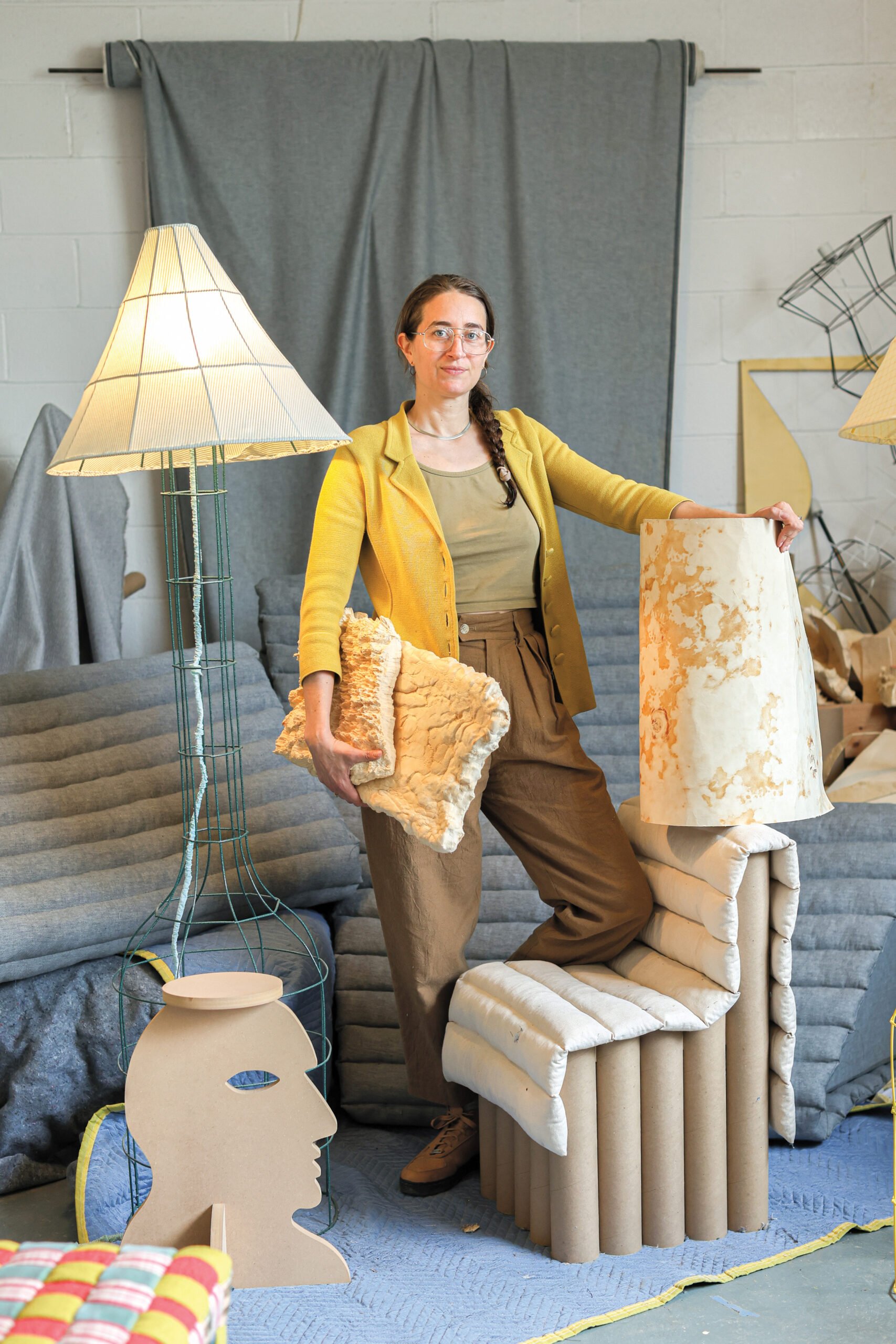
Elise McMahon, circular product designer of New York–based studio LikeMindedObjects, began experimenting with the material when she was awarded Ecovative’s 2024 Forager Design Fellowship, a program that provides students and independent designers with access to mycelium-based materials for creating innovative and sustainable designs.
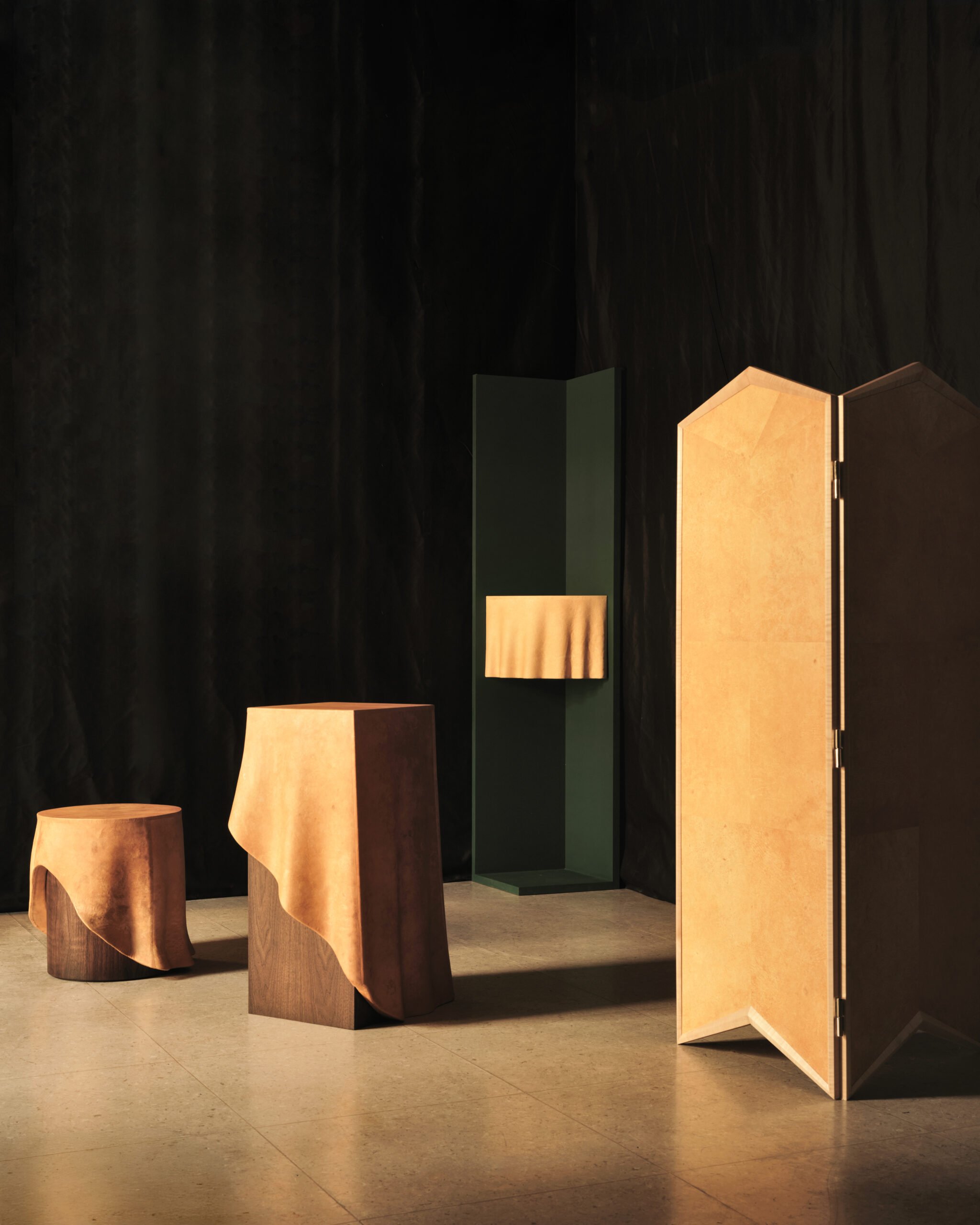
“I appreciate Ecovative as they are not just doing alternative leathers for fashion but are targeting some of the most insidious and polluting petroleum-based products/materials,” she says. During her fellowship, McMahon focused on using the springy mycelium-based “foam” as a substitute for upholstery foams, making two seating pieces with the material and some lighting prototypes.
While mycelium may not replace all plastic, especially in high-performance applications, it offers some compelling solutions. Its potential to reduce dependence on fossil fuels—particularly in packaging, insulation, and surfaces—is real and growing, but continued research is key to broader adoption.
Will mycelium-based materials ever be accessible to the masses?
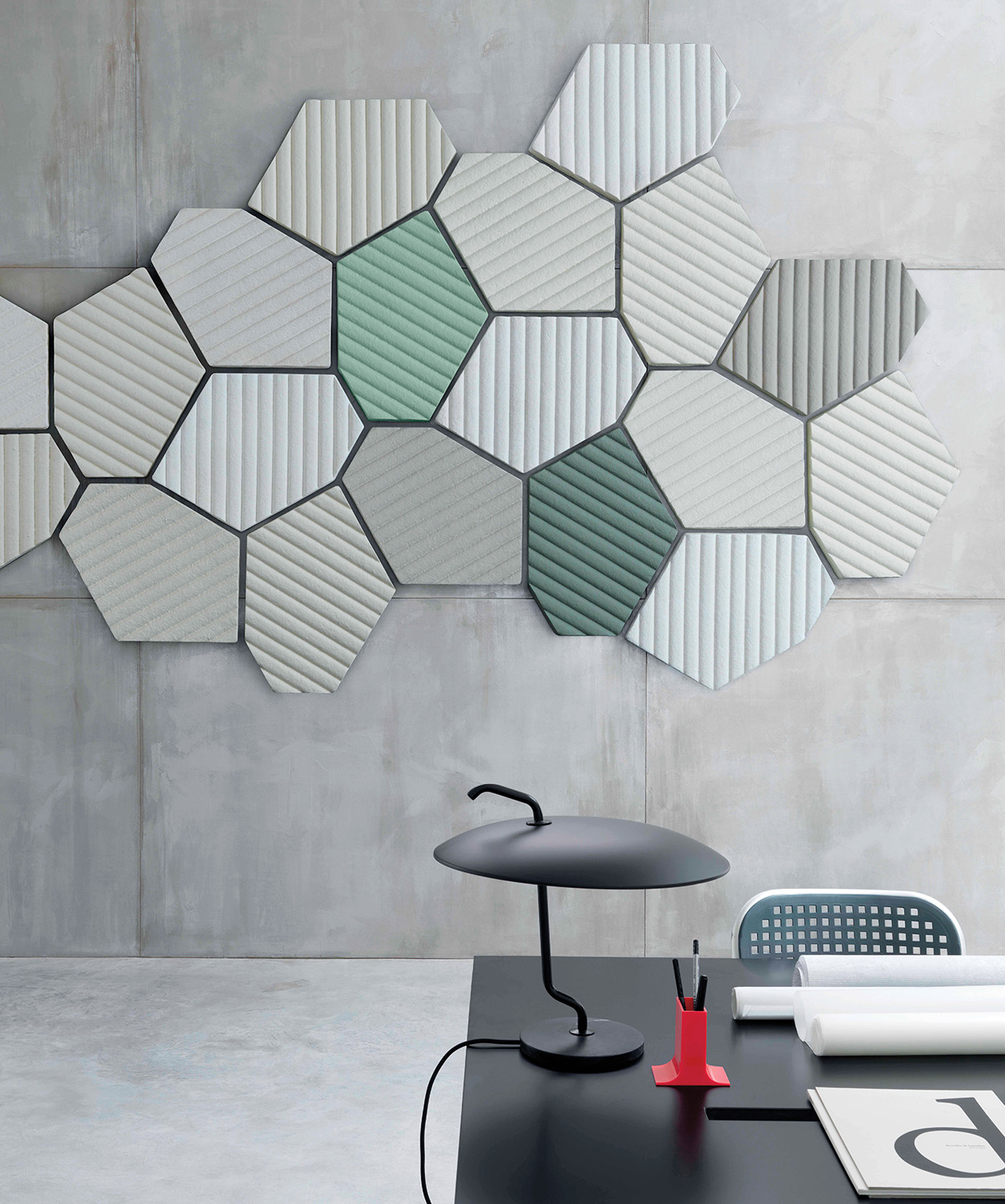
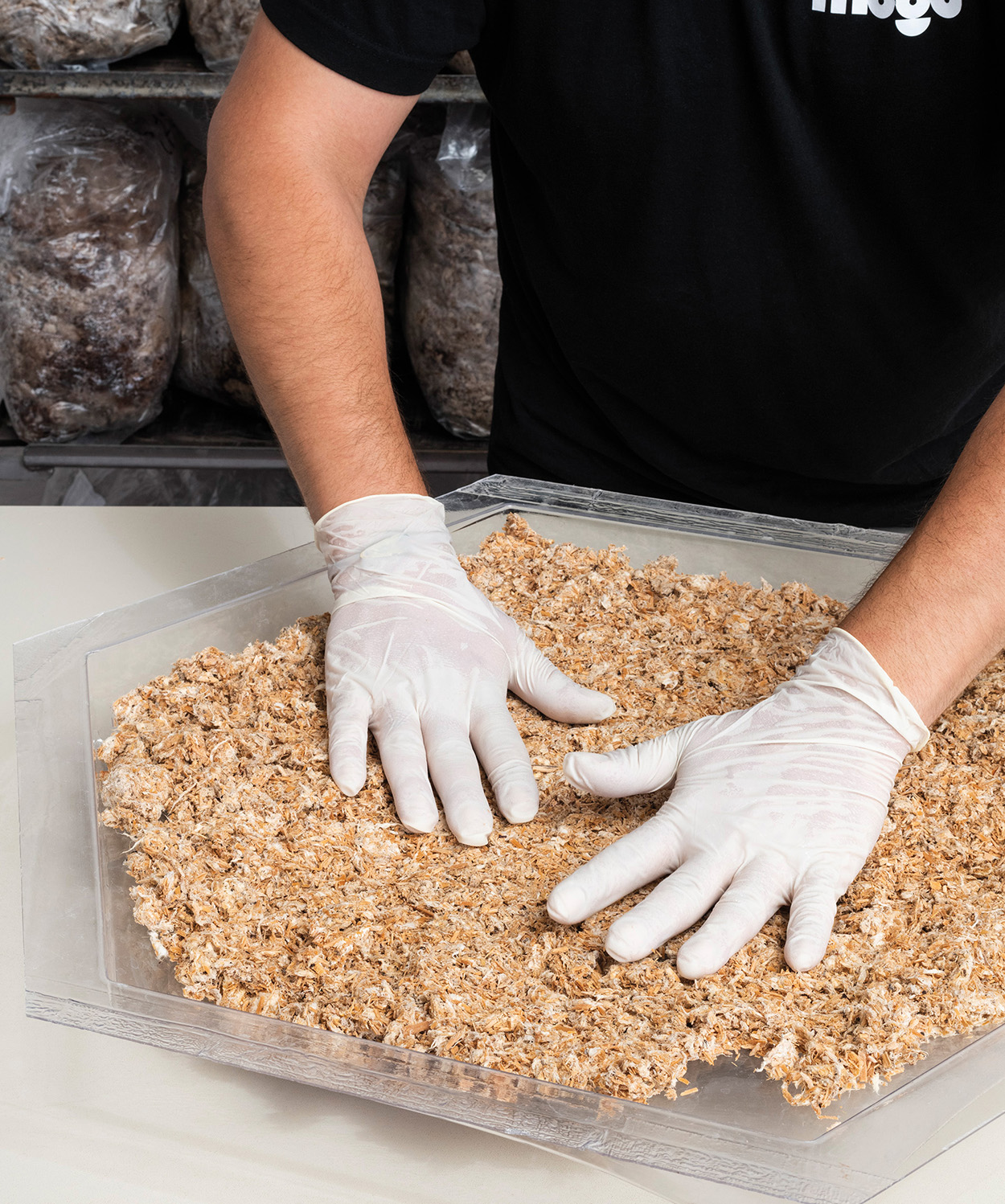
Certain mycelium-based materials are more widely available than others, particularly across the acoustics category, where established companies like Impact Acoustic and Mogu are pioneers in mycelium-based wall panels. Mogu has also collaborated with New York–based Habitat Matter, which won an ICFF Editors Award this year for its innovative approach to acoustic materials.
Serena Camere, business director at Mogu, said during the Field to Form panel discussion: “From the lab to the pilot scale to the scale-up, there are always challenges. By dealing with nature, you have to learn how to navigate through some of the parameters that nature loves, such as imperfections and the cooperation with other organisms, etc.”
Perhaps the biggest challenge that all these projects, materials, and research face is moving from R&D to production. When I first reached out to okom wrks’ Chris Magwood for comment, he admitted: “There are very few building products that are actually in production and accessible to builders. After five years as a board member of okom wrks, we have yet to produce an actual product that goes into an actual building, which I think is indicative of much of the sector.”
Can mushrooms save the world?
While writing this, I’ve tried to remain down to earth, as the mysterious world of mycology is so often shrouded in the “woo,” the psychedelic, and the techno-optimistic. A growing stereotype surrounds the greater mycology community—a group of white male experts offering an eco-solutionist promise that mushrooms and fungi can “save the world.”
In art and design culture specifically, fungi are frequently romanticized as both metaphor and miracle. Mycelium has become a shorthand for decentralization, symbiosis, and sustainable design, while the complex realities of sourcing, scaling, and regulation are often lost in the poetics. Aside from the risk of spreading misinformation on the science, these narratives can also erase Indigenous knowledge systems and elevate a narrow set of Western “bioinnovators,” fueling a hype that outpaces practice.
Yet in a building industry driven by urgency—carbon deadlines, climate resilience, material toxicity—fungi offer a counterpoint. They model slowness, softness, and symbiosis as strategies for survival.
If material accessibility demands speed and efficiency, perhaps the most pertinent question is: What happens when we slow down? Going forward, we should heed Camere’s advice: “You have to really learn to listen to the fungus,” she insists. “Why not talk to them and attend to the fungus and mycelium as if it is a living collaborator?”
Would you like to comment on this article? Send your thoughts to: [email protected]
Latest
Projects
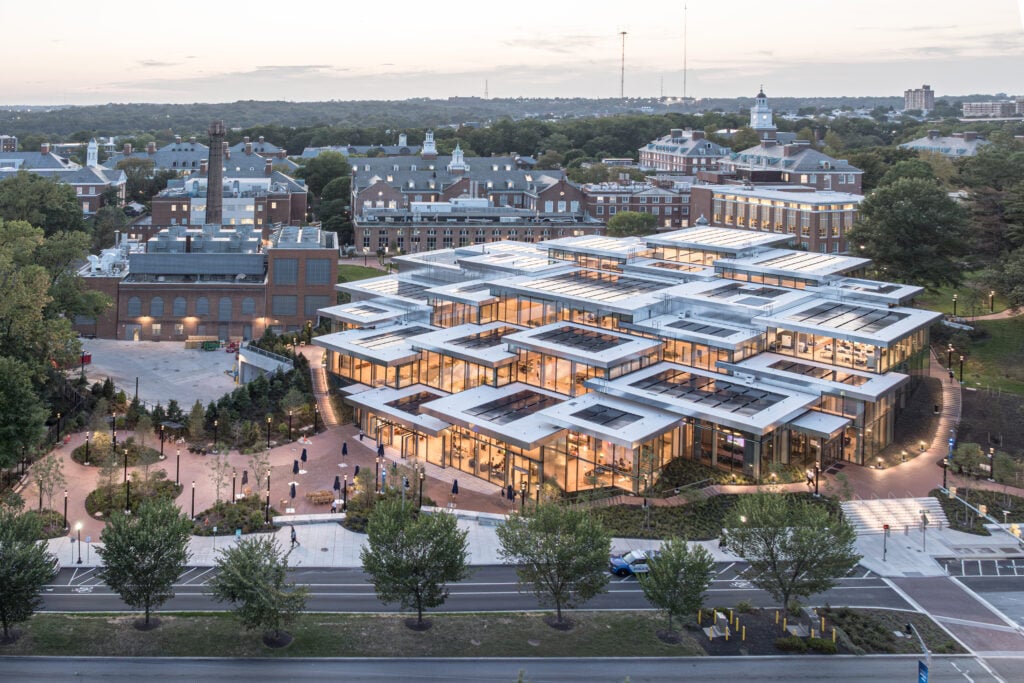
Inside and Outside Johns Hopkins’ New Bloomberg Student Center
Inside the New BIG and Rockwell’s Bloomberg Student Center At Johns Hopkins, a new student center reconnects the university to Baltimore and redefines how students gather, collaborate, and unwind.
Viewpoints
Archtober and the AIA Center for Architects Invites You to Share Space
Archtober 2025: Sharing Spaces, The 15th edition brings together architects, artists, and the public for a month of events exploring how New Yorkers share and shape their city.