




September 4, 2025
METROPOLIS Future100: Where Are They Now?
The METROPOLIS Future100 program celebrates the next generation of designers and architects, recognizing students who demonstrate outstanding talent, creativity, and leadership. Each year, alumni from the program go on to make significant contributions to the built environment and beyond. In this series, we’re catching up with past Future100 honorees to see how the recognition has shaped their careers and what advice they have for today’s emerging designers.
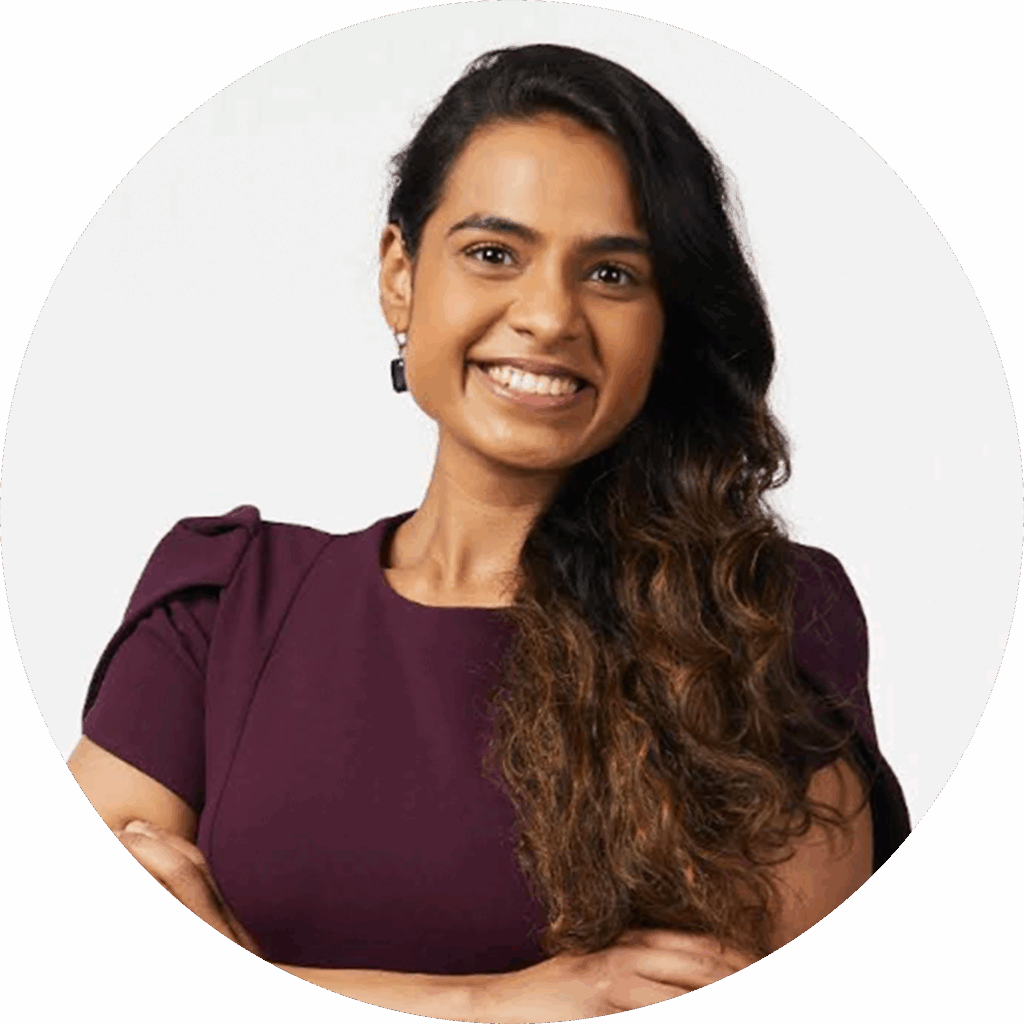
Sushmita Shekar
Future100 Class of 2021
Degree: Master of Science in Architecture and Urban Design, Columbia University Graduate School of Architecture, Planning and Preservation
Current Role: Urban Designer & Project Manager, Skidmore, Owings & Merrill
What kind of work are you doing now?
I am an Urban Designer and Project Manager at SOM with experience leading complex master planning, urban design, and public realm projects across the U.S., China, Russia, India, and the Middle East. I bring strong knowledge of sustainable planning and governance processes—including regulatory frameworks, budgeting, and scheduling—to ensure visionary planning aligns with practical implementation. At SOM, I also co-lead the firm’s Equity Design Lab, advancing inclusive and sustainable design practices.
Outside of SOM, I serve as a Consultative Delegate to the United Nations Economic and Social Council (ECOSOC), contributing to global urban policy discussions on sustainable development. I regularly participate in high-level convenings, including the UN General Assembly and the High-Level Political Forum.
What’s something you’ve achieved or learned since being named to the Future100 that you’re proud of?
I am proud to have the opportunity to work on global sustainable planning and urban design projects at SOM. I co-lead the firmwide Equity Design Lab at Skidmore, Owings & Merrill, a group dedicated to delivering an equitable, healthy, and resilient built environment. Our mission is to establish standards and best practices that champion sustainable and resilient environments, enriching human needs with equity at the forefront while emphasizing bottom-up, community-driven design processes.
Alongside this, my role as a consultative delegate engaging with the United Nations on sustainable development initiatives has deepened my commitment to aligning design strategies with the global Sustainable Development Goals—creating resilient, inclusive urban spaces that advance climate action.
How did the Future100 recognition impact your early career?
Being named one of METROPOLIS’s Future100 designers has been a gateway to deeper engagement in the global conversation on sustainable design. This platform has provided access to high-caliber events and curated discussions with industry leaders and innovators shaping the future of our built environment. It has significantly expanded and strengthened my professional network, creating valuable opportunities for cross-sector and interdisciplinary collaboration. Being part of this dynamic community provides a sense of purpose, empowering me to connect with like-minded professionals dedicated to advancing sustainable design solutions.
What insight or encouragement would you offer the next graduating class of emerging designers and architects?
Embrace curiosity and resilience. The world you’re stepping into is constantly evolving—technologies, climate impacts, cultures, and challenges will shape the future of design in ways we can’t fully predict. Stay curious and keep learning. Your unique perspectives are essential for shaping more sustainable and innovative spaces. Embrace open collaboration, listen with intention, and remember that design requires as much persistence as it does creativity.
Design with empathy—because at its core, architecture and design serve people’s lives and experiences. Your work can shape not just buildings, but the way people feel, connect, and thrive.

Shreya Jaiswal
Future100 Class of 2023
Degree: Master of Architecture, State University of New York at Buffalo
Current Role: Senior Sustainability Designer, D2D Green Design
What kind of work are you doing now?
I focus on sustainable architecture and design across various New York State projects—including SUNY campuses, Department of Energy facilities, police stations, and more. My work spans building design and construction, space planning, and interior design, with a strong emphasis on code compliance, accessibility, and sustainable practices. This includes—but is not limited to—compliance with LEED, LBC, and WELL certifications. I bring deep expertise in integrating environmental standards into every phase of design.
What’s something you’ve achieved or learned since being named to the Future100 that you’re proud of?
Since being recognized as part of the Future100, I’ve become a New York State Certified Code Enforcement Official, which has deepened my understanding of regulatory frameworks and how to integrate them into architectural design. I’ve also broadened my sustainability expertise beyond LEED to include WELL, Living Building Challenge (LBC), and other advanced rating systems. One project I lead involves helping universities develop custom sustainability standards that go far beyond baseline requirements—something I’m incredibly proud of. Furthermore, my research on the role of fire in multisensory design, specifically in relation to the concept of biophilia, was recognized with The Best Paper Award at the Environmental Design Research Association conference.
How did the Future100 recognition impact your early career?
Being named to the Future100 gave me a powerful sense of validation—it affirmed that I’m not only skilled but also a creative leader in my field. That recognition boosted my confidence and inspired me to keep pushing boundaries, exploring new dimensions of architecture and design, and trusting in the value of my work. It helped me get recognized when applying for opportunities in the architecture community, and it even helped me take conversations further at my current job.
What insight or encouragement would you offer the next graduating class of emerging designers and architects?
Graduation can feel like a leap into the unknown, and it’s easy to question whether you’re prepared. But trust that everything you’ve learned will find its place—sometimes in unexpected ways. Keep creating, stay curious, and most importantly, design in a way that’s true to you. Your authenticity will evolve into your unique style and signature. That’s what will set you apart.
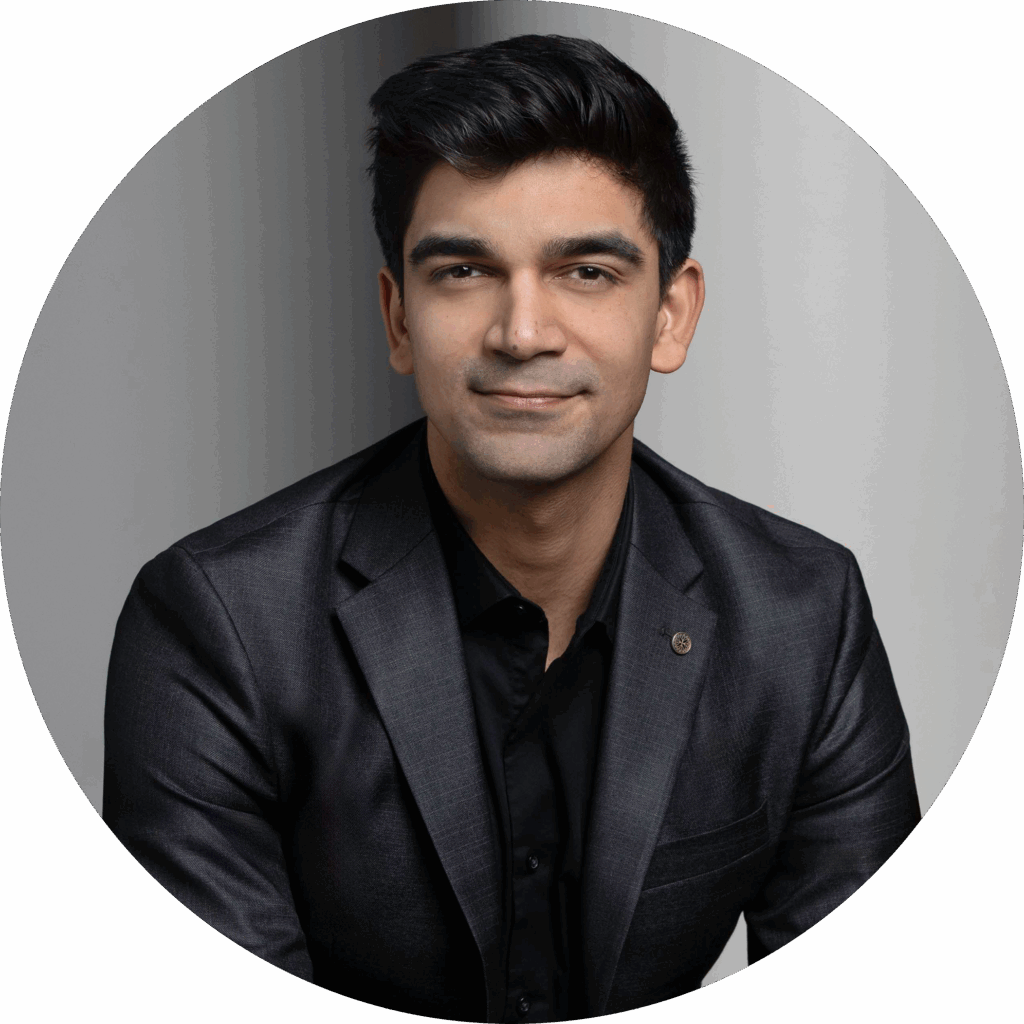
Kartik Sharma
Future100 Class of 2024
Degree: Master of Architecture, University of Illinois Urbana-Champaign
Current Role: Technical Designer, Gensler Chicago
What kind of work are you doing now?
I currently work as a Technical Designer at Gensler’s Chicago office, where I contribute to a diverse range of projects in retail, hospitality, and aviation. In addition to design work, I’ve been actively exploring emerging technologies—including AI, virtual reality, and augmented reality—to support innovation across projects and practice areas.
What’s something you’ve achieved or learned since being named to the Future100 that you’re proud of?
During my graduation ceremony from the University of Illinois Urbana-Champaign, School of Architecture Director Francisco Javier Rodríguez-Suárez, FAIA, gave me a surprise acknowledgement while speaking about our bright futures. In front of the entire graduating class, distinguished luminaries in the industry, and most importantly, my parents, he mentioned my recognition in the Future100 issue. That moment symbolized years of hard work, and I carry it with great pride.
Since then, I have returned to review the work of students at my alma mater, and I supported our studio’s intern at Gensler this summer. I also have a group of former students I check in with often—so there’s been a fulfilling evolution since being named to the Future100. I’m able to give back to the next generation while continuing to grow as an architect.
How did the Future100 recognition impact your early career?
The timing for the Future100 recognition couldn’t have been better, as I was just graduating when I received it. This recognition gave me a sense of validation and a valuable edge in my job search. It became a highlight of my resume and a great way to direct meaningful conversations in interviews.
At Gensler, I have the pleasure of contributing to multiple stages of design. I present work to clients, share workflows internally, and build relationships within the firm and across the region. Future100 gave me a significant confidence boost, especially as an international student building a life and career in a new country.
What insight or encouragement would you offer the next graduating class of emerging designers and architects?
One of the most important insights I’ve learned at Gensler is that every challenge presents an opportunity to learn and grow. Not all lessons need to be profound—shifting my mindset to look beyond my immediate experience helps me focus on the greater impact, encouraging the freedom to find the most successful design solutions.
When we find alignment between our creative work and our personal development, even briefly, those become the most rewarding moments.

Jesse Smith
Future100 Class of 2025
Degree: BFA in Interior Design with minors in Construction Graphics and Design & Innovation, Purdue University
Current Role: Interior Designer, Populous
What kind of work are you doing now?
Shortly after graduation, I started my professional career as an Interior Designer I at Populous in their Los Angeles office. Design at Populous is all about sports and entertainment, and currently I am working in the arenas market.
What’s something you’ve achieved or learned since being named to the Future100 that you’re proud of?
Since being named to the Future100, I’ve been honored to be selected as one of the Top 10 Finalists in the 2025 ASID National Student Portfolio Competition.
How did the Future100 recognition impact your early career?
Being recognized as part of the Future100 truly inspired me to keep pushing for more. It ignited my ambition, fueled my future, and deepened my passion for design.
What insight or encouragement would you offer the next graduating class of emerging designers and architects?
To emerging designers and architects, my advice is to give yourself room to breathe—don’t take everything so seriously that you lose the joy in your work. Passion runs deep in this field, and it’s easy to become your own toughest critic, but finding balance is essential. Stay engaged, ask questions, connect with everyone you can, and keep pushing yourself forward.
One of the biggest lessons I’ve learned is to go beyond the brief. Whenever I was given a task, I aimed not just to meet the requirements, but to deliver more than expected.
Would you like to comment on this article? Send your thoughts to: [email protected]
Latest
Profiles
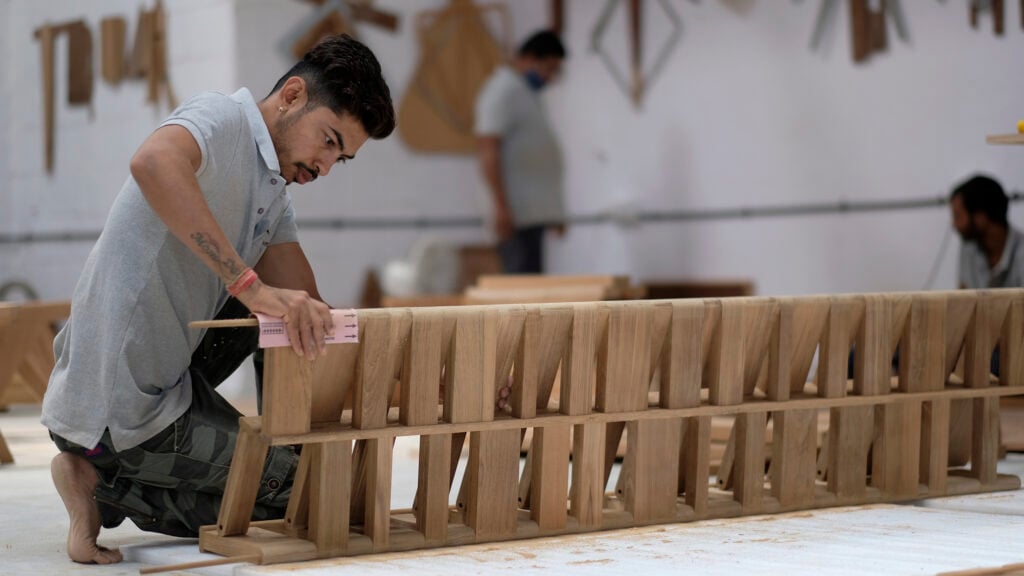
This Studio is Reworking Indian Modernism by Hand
In Bangalore, Phantom Hands builds a model of sustainability that merges tradition, technology, and ethical design in a living workshop.
Products
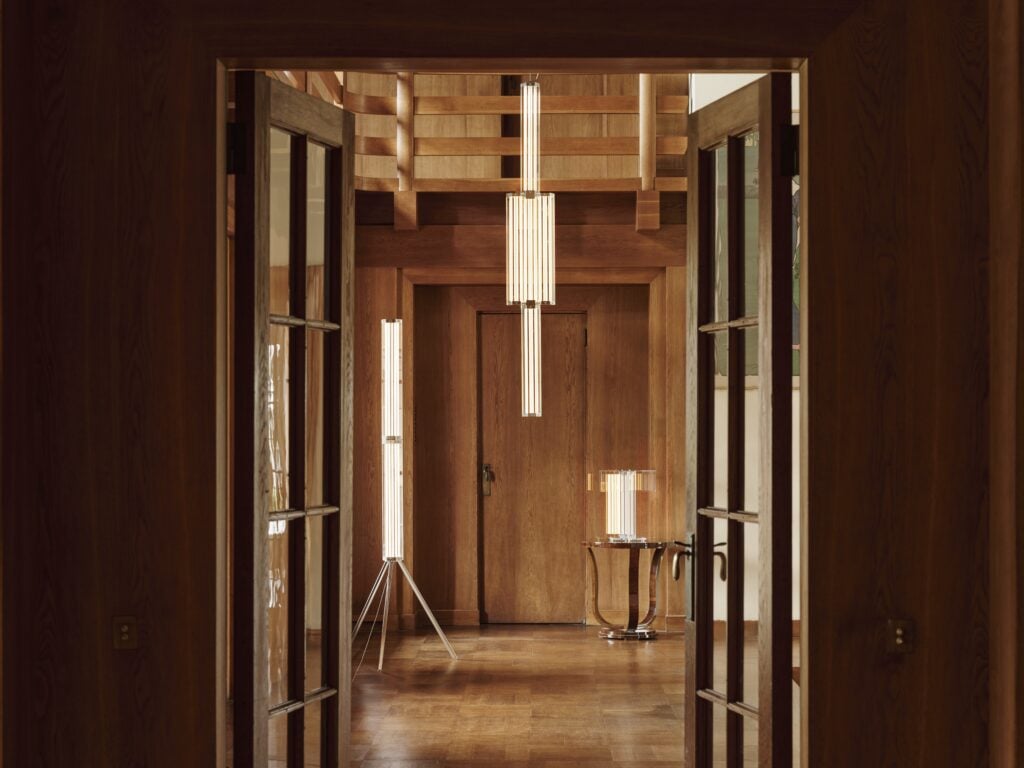
Lighting That Lets Shape Shine
From sculptural forms to fixtures inspired by nature—these three lighting trends reimagine how we shape space, mood, and meaning with light.