



July 22, 2025
Next-Generation Designers Redefine Materials Beyond Convention

“A living wall is usually more like a mural of plants,” says Cornett. “This was a unique opportunity to think beyond it. How can we make it performative and create more of a habitat?” The team’s current thesis project pushes the technology even further with new types of clays and other natural materials.
Rethinking Concrete Panel Design using CNC-Milled Foam Molds
Ebbi Boehm, a master’s candidate at the University of Pennsylvania, is rethinking the static nature of precast concrete molds, treating them less like typical uniform panels and more like decorative swatches from the world of fabric. Each ten-by-six-foot concrete panel from their project Swatch and Surface is made of eight CNC-milled foam molds, each with its own texture and relief. Integrated formwork, meanwhile, creates windowlike openings fitted with acrylic inserts, adding transparency and contrast. The result presents an astonishing variety of patterns and textures, as if it were a concrete patchwork quilt.

“We were trying to challenge this heavy, monolithic, large slab that we often see in prefab,” says Boehm, who adds that the panels’ openings and variety can help manipulate shade and ventilation.
Rebuilding Erased Sites in Berlin using Silicone Models
In her project A Blank Archipelago, SCI-Arc graduate student Naseem Soltani takes a new approach to rebuilding “erased” sites in Berlin—specifically the city’s Molkenmarkt, bombed in World War II and now divided into three distinct pieces, which Soltani calls “islands.” Instead of re-creating the original market or building what she calls a “high-tech facade ecstasy,” she proposes a third approach—documenting what remains on the site through drawings and then recasting them into various forms via flexible silicone models. “Just because we can’t re-create the past, I don’t think that means we have to fling ourselves off the cliff and just gaze into the future,” says Soltani, who notes that her “blank” creations, less overtly charged with political or social meaning, nonetheless evoke a wide range of responses from viewers. They’ve changed how she looks at the role buildings play in clients’ agendas. “They don’t really feel like buildings so much once you understand how they’re intended to be read.”

Would you like to comment on this article? Send your thoughts to: [email protected]
- No tags selected
Latest
Projects
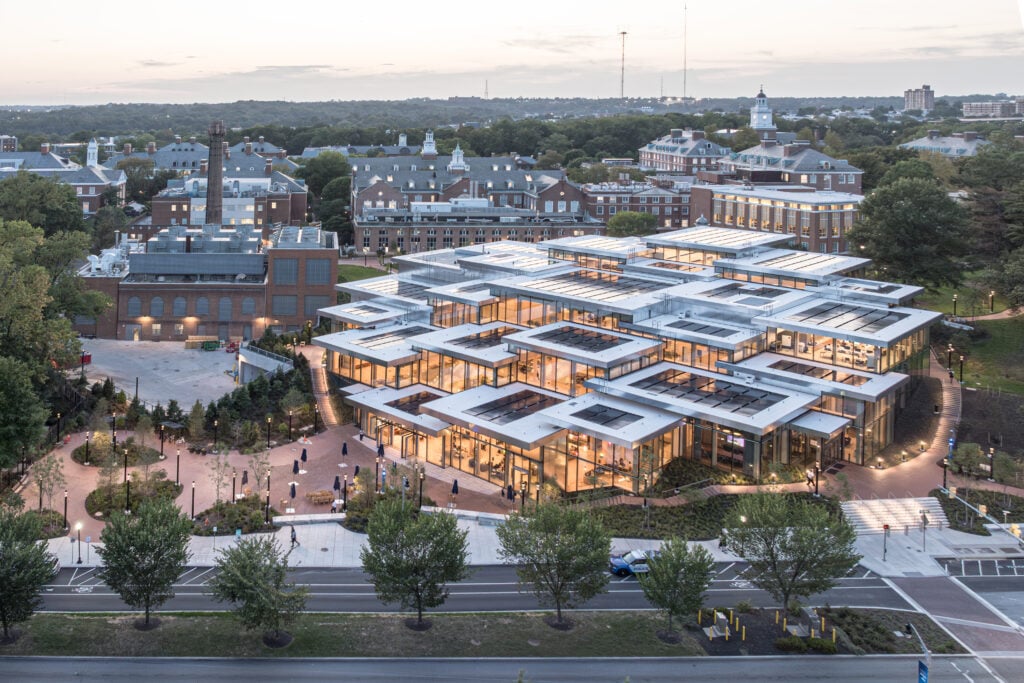
Inside and Outside Johns Hopkins’ New Bloomberg Student Center
Inside the New BIG and Rockwell’s Bloomberg Student Center At Johns Hopkins, a new student center reconnects the university to Baltimore and redefines how students gather, collaborate, and unwind.
Viewpoints
Archtober and the AIA Center for Architects Invites You to Share Space
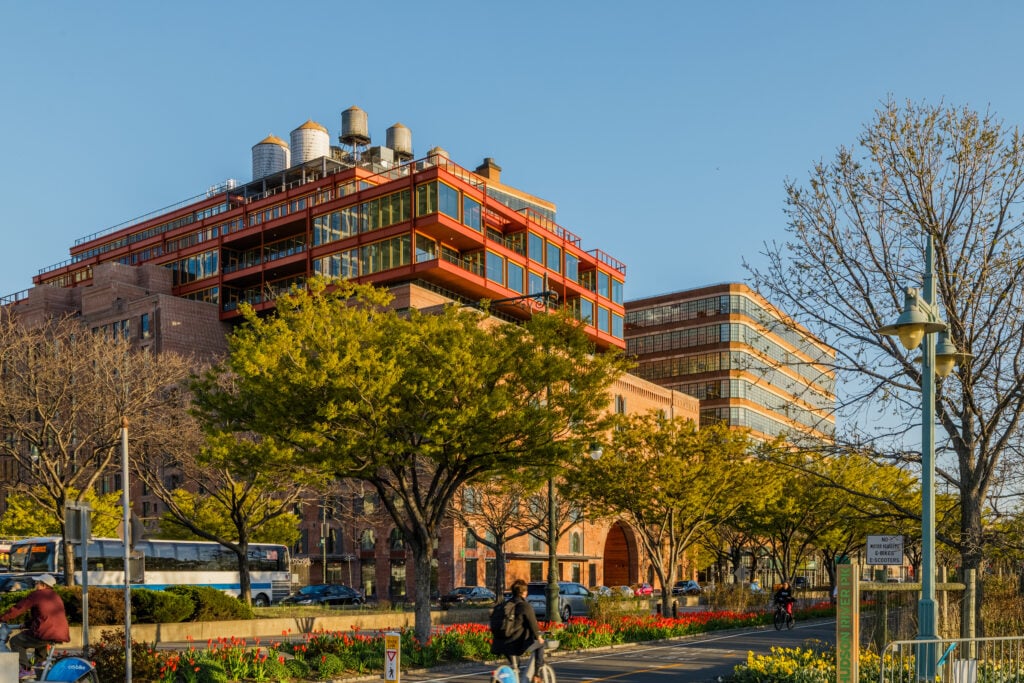
Archtober 2025: Sharing Spaces, The 15th edition brings together architects, artists, and the public for a month of events exploring how New Yorkers share and shape their city.