



September 3, 2025
Should Wool Play a Bigger Role in the Built Environment?
Wool has been part of the fabric of our lives for millennia. The material has provided us with clothing, shelter, and even sails—making it possible for us to settle in some of the world’s most inhospitable locations during the Viking era. Humans’ relationship with wool is a reciprocal one, with sheep depending on us to shear off their winter coats every spring (save for wild mouflons, which shed their fleece seasonally.)
In today’s world, however, wool can do more than keep us cozy and dry. This renewable, carbon-munching material could play a larger role in protecting the health of humans and the planet. No man-made fiber can rival wool’s ability to filter volatile organic compounds from the air while regulating temperature and moisture and being naturally flame resistant and biodegradable. “The cellular makeup of wool has evolved for thousands of years,” says Andrew Legge, founder of insulation company Havelock Wool and a self-described wool evangelist. “No research and development department in the world can compete with that.”
The Forces Behind Wool’s Decline
But intensive farming and the invention of synthetic fibers have ruptured this symbiosis between humans, other humans, and the environment. Colonists took merino sheep to Australia in 1797, where flocks grew rapidly, trampling native ecosystems and establishing the country as the dominant producer of wool. Meanwhile, the rise of mass-produced manmade fibers in the midtwentieth century has rendered all but the softest merino yarns nearly worthless, decimating processing infrastructure in Europe, America, and elsewhere.
“Wool is either a luxury or a waste material,” says Netherlands-based designer Beatriz Isca, whose project Wool Matters explores local wool as a “weaver of people, animals, and land.” She explains, “If farmers can’t get money for their wool, they don’t care for it and the value plummets. It’s a vicious cycle.”
Today, clean wool fiber accounts for just 1 percent of the world’s textile trade, compared to polyester at 57 percent, according to the Textile Exchange. And in Europe, where colder climates mean coarser fibers, mountains of wool get burned or buried each year.
Revaluing Wool Through Story and Craft
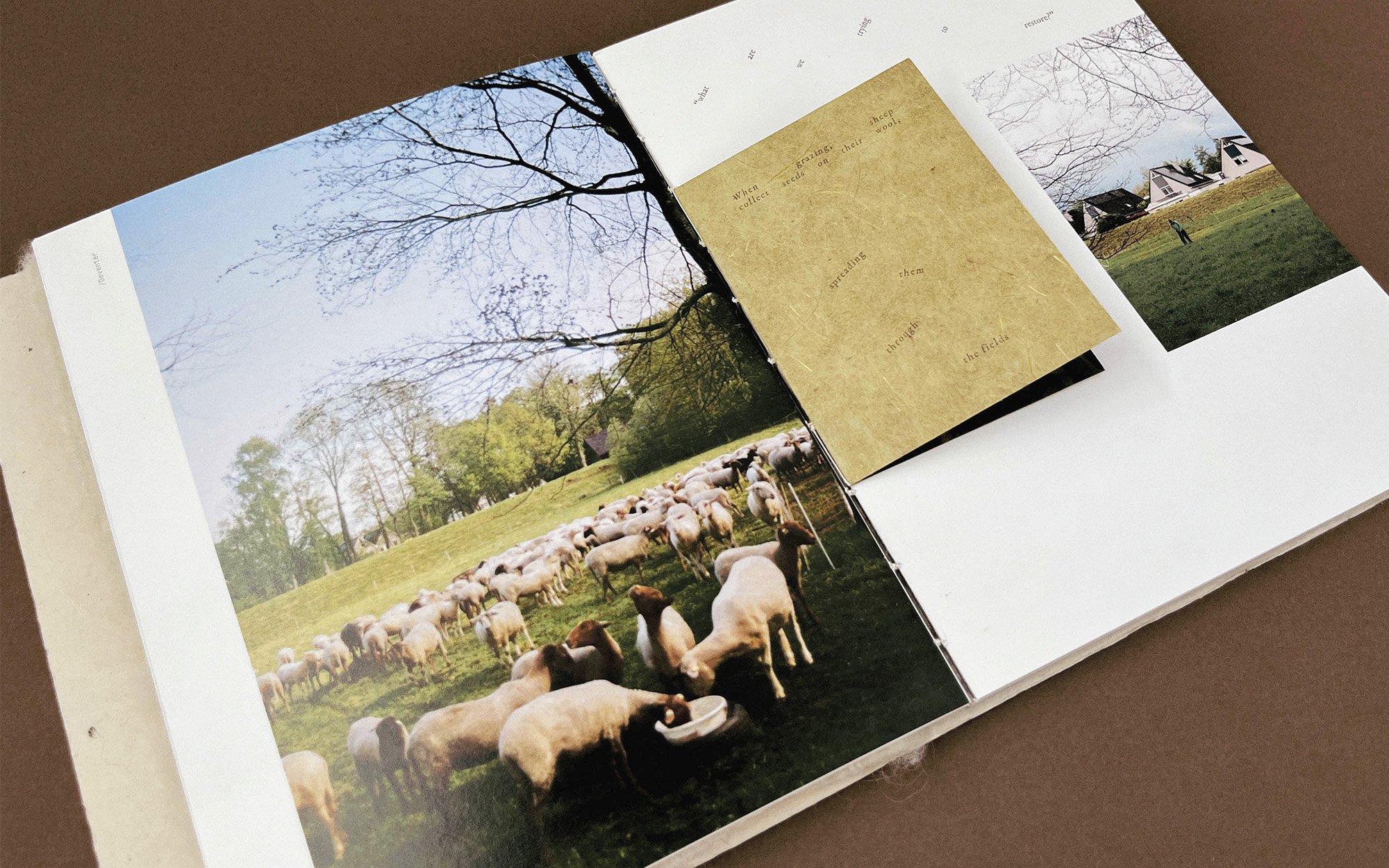
But Isca is part of a new breed of designers who are reexamining the material. For her project Wool Matters—exhibited at Dutch Design Week last autumn—she met farmers, weavers, and processors who are part of the Dutch arm of Fibershed (the U.S.-based nonprofit developing regional fiber systems that build environmental and community health) and documented their stories in a book.
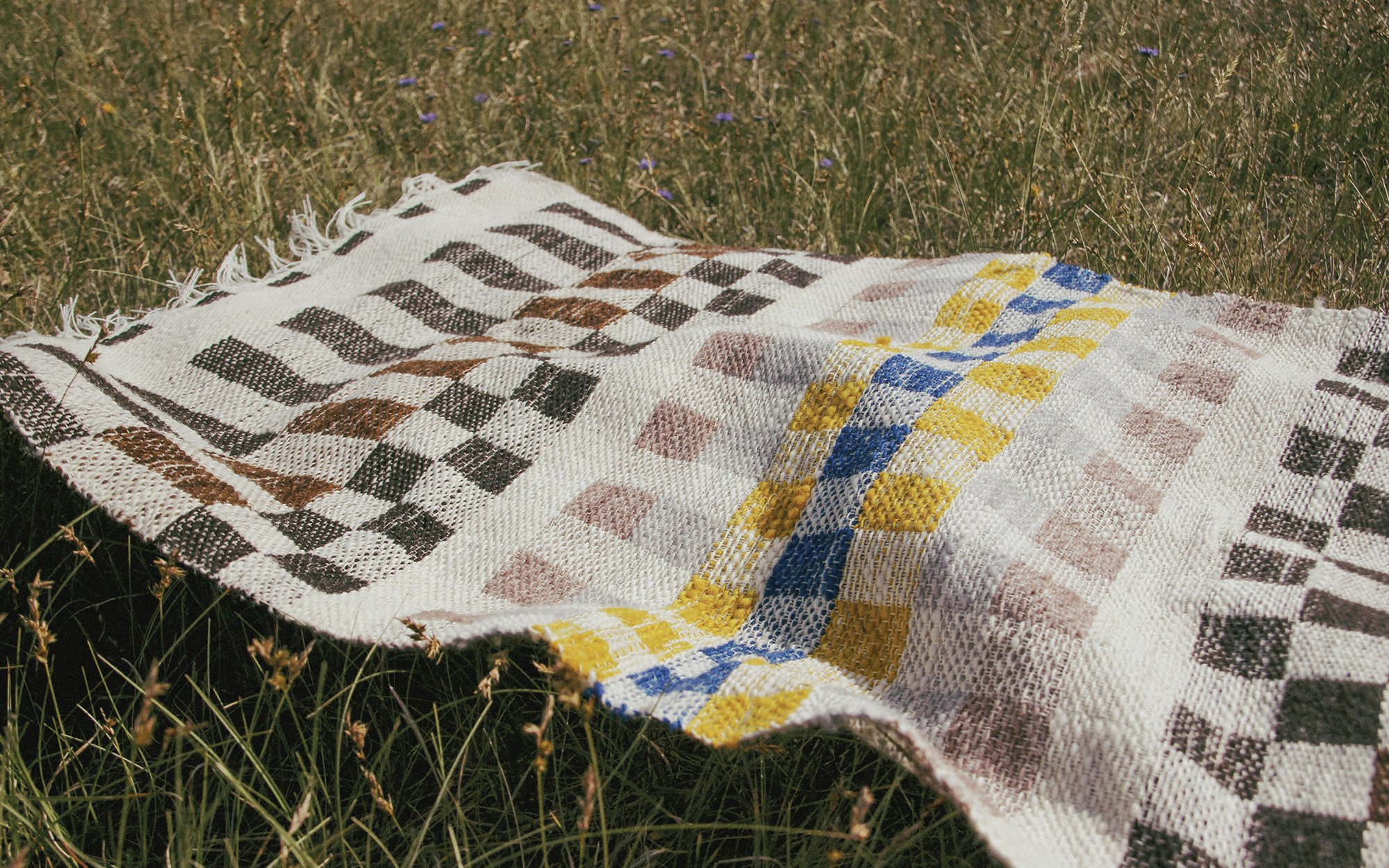
Isca sees craft as a tool to shift people’s mindset. “When people make something with their hands, it changes how they perceive a material’s value,” says the designer. She worked with Holland’s Leidse Deken Foundation and the local community to coproduce a blanket from Dutch wool, the short yarns giving it a fluffiness that is ideal for the task. “A blanket to the soil,” as it is called, symbolizes the “ideal last stage in wool’s life” and addresses the issue of wool being buried illegally. Craft can’t change the world, she says, “but it can create momentum.”
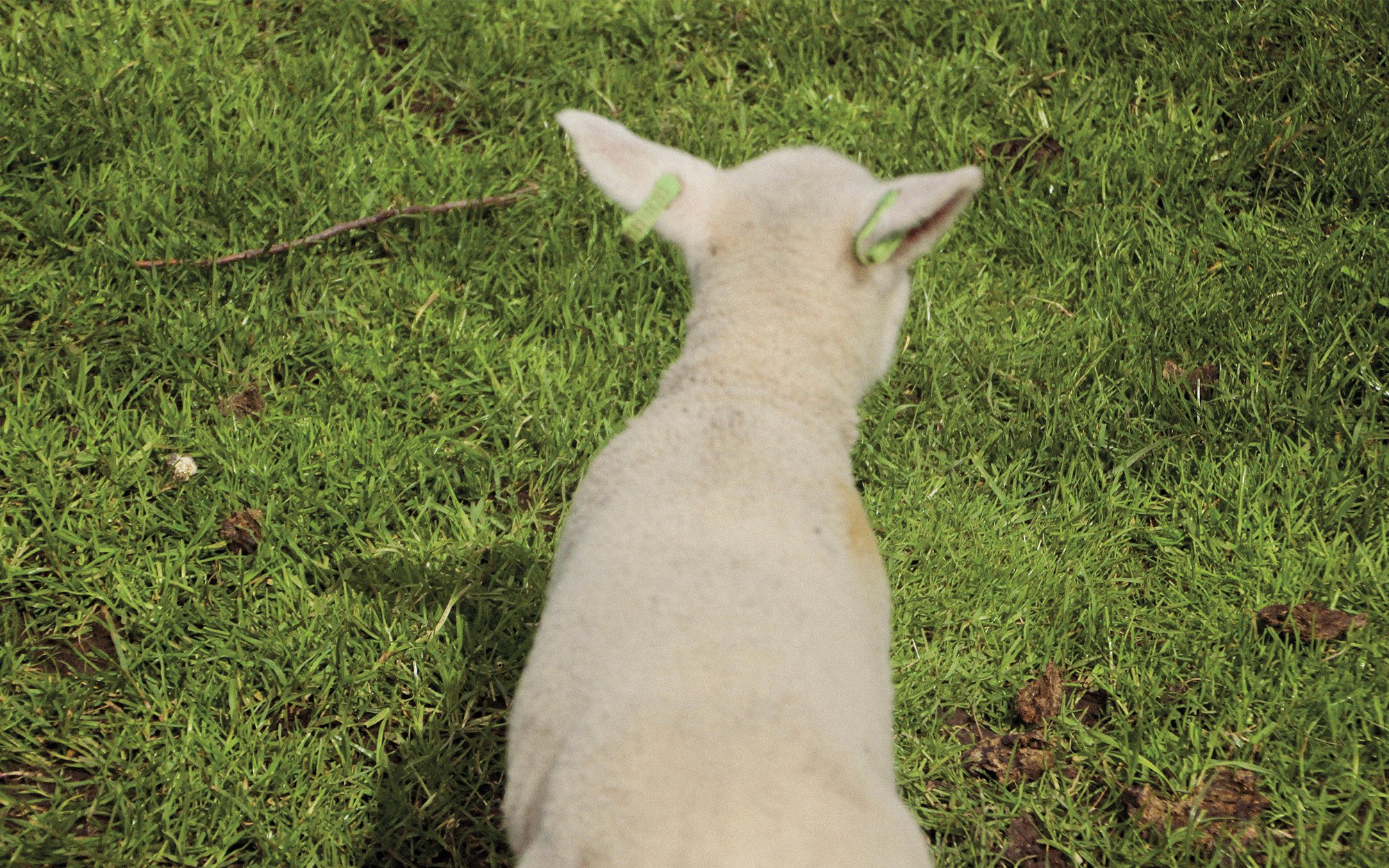
European rules dictate that wool (deemed a “special waste” of animal origin) must be discarded in dedicated facilities after cleaning—costly for shepherds who cannot sell their flocks’ fleece. As a result, some sheep are now bred to lose their mantle without human help—a fact that fascinated the Italian design studio Formafantasma when researching Oltre Terra, its ongoing investigation into the ecology and global dynamics of wool. “We’re interested in how the biological development of a species corresponds to product development and the intimate yet intricate relationship between humans and animals,” says cofounder Simone Farresin.
European Brands Breathe New Life into Wool
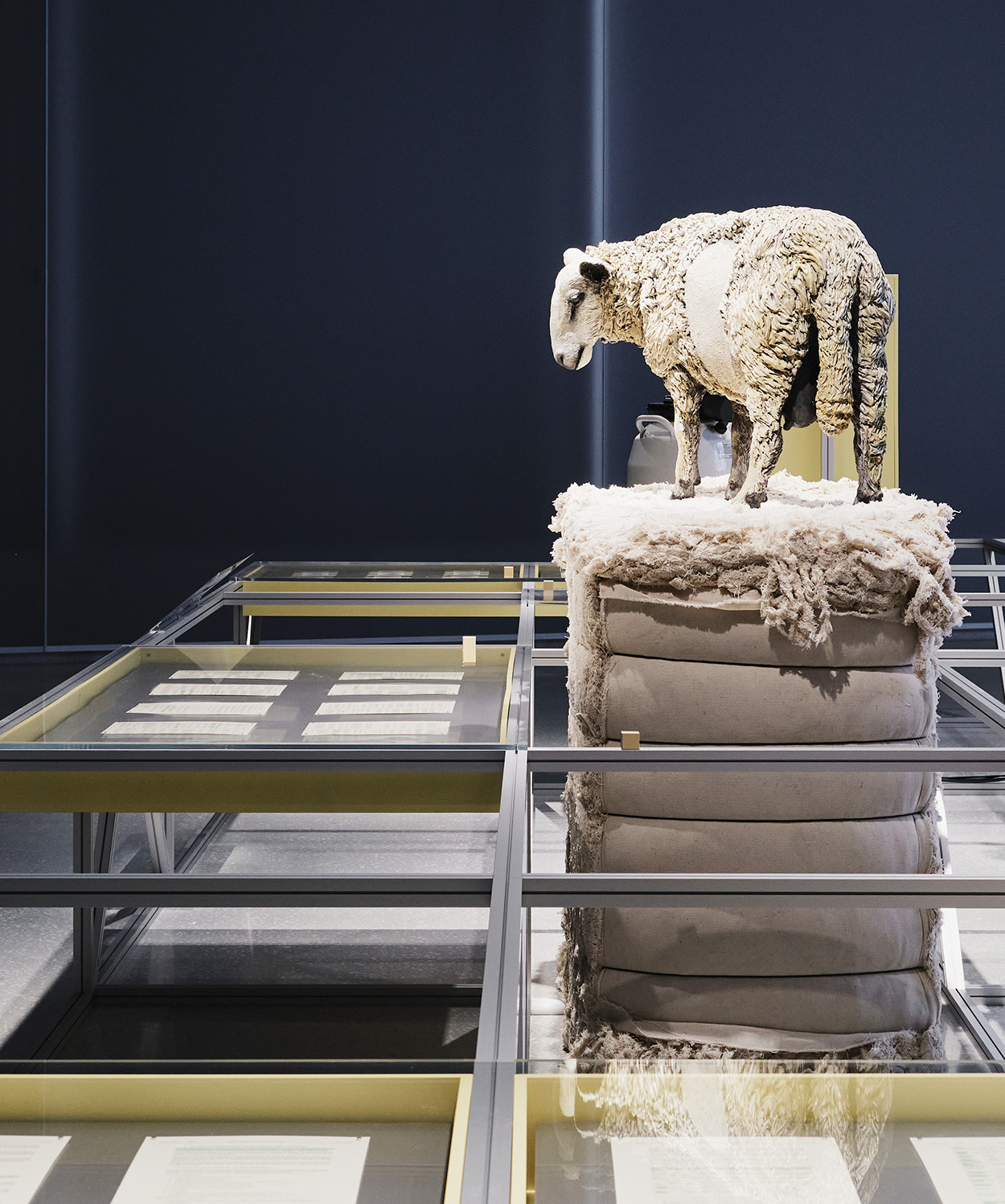
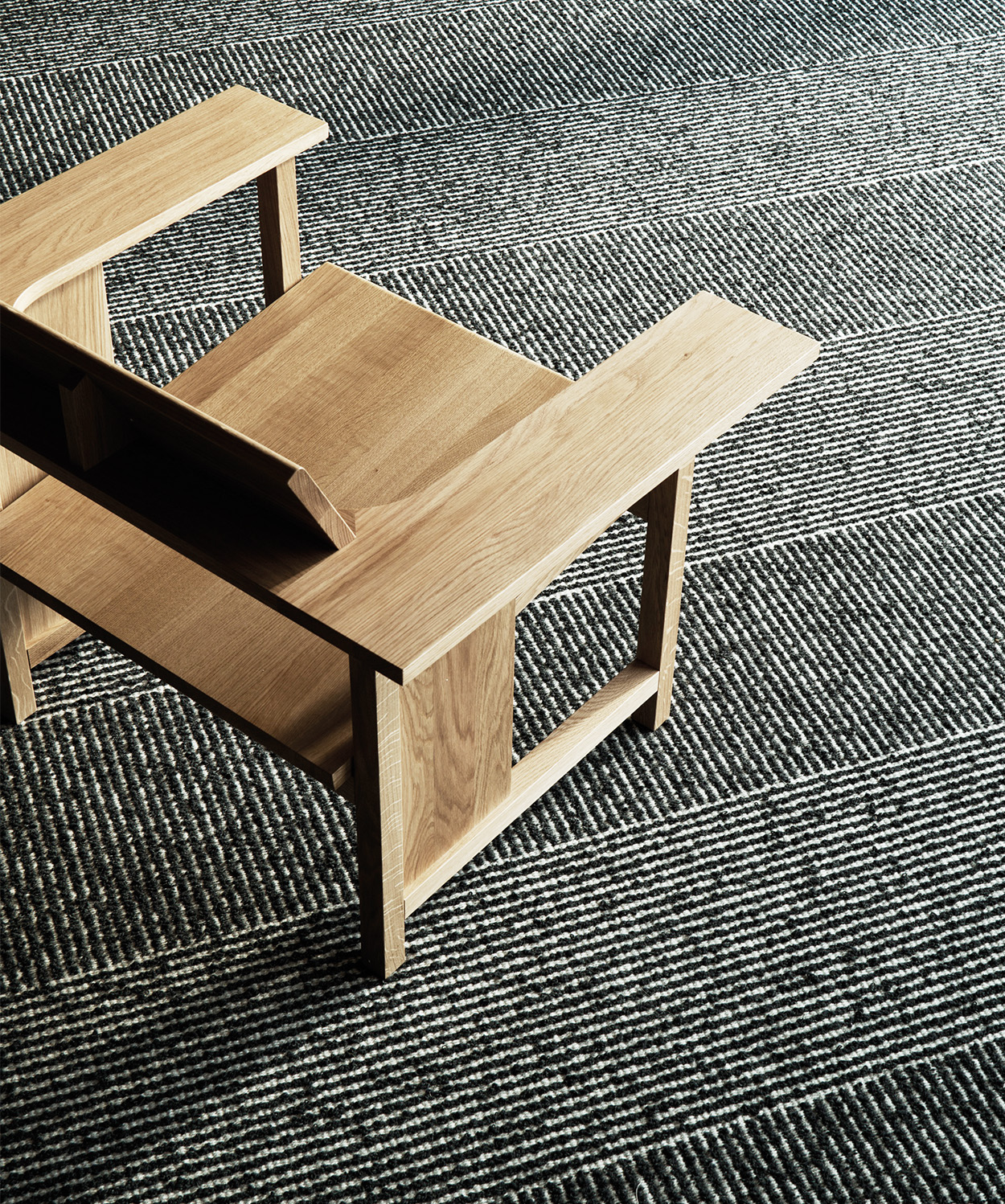
At the center of its 2023 installation at the National Museum in Oslo, Norway, was a carpet produced by CC-Tapis made from the “neglected wool” of 12 Italian sheep breeds.
Even for carpets and upholstery, however, European wool has its challenges beyond infrastructure. “British wool contains black hairs that are difficult to hide in plain fabrics,” says Ian Burn, director of marketing and sustainability at West Yorkshire–based international brand Camira Fabrics, which makes products for interiors from wool and plant fibers. It uses British wool for transportation upholstery, where black fibers can be hidden among rich patterns, but imports virgin wool for its interior collections from New Zealand, a country with “strong animal husbandry practices,” he says, alongside higher flock numbers and better cleaning facilities to ensure consistent quality.
But Camira Fabrics is among the brands revitalizing wool recycling, using the “shoddy” technique invented by Benjamin Law in Yorkshire in 1813 to transform its own waste. Popular until the arrival of cheap synthetic fabrics, it saw machines with sharp teeth chomp through the fibers, before they were blended with virgin wool, carded, spun, and woven into new fabric.
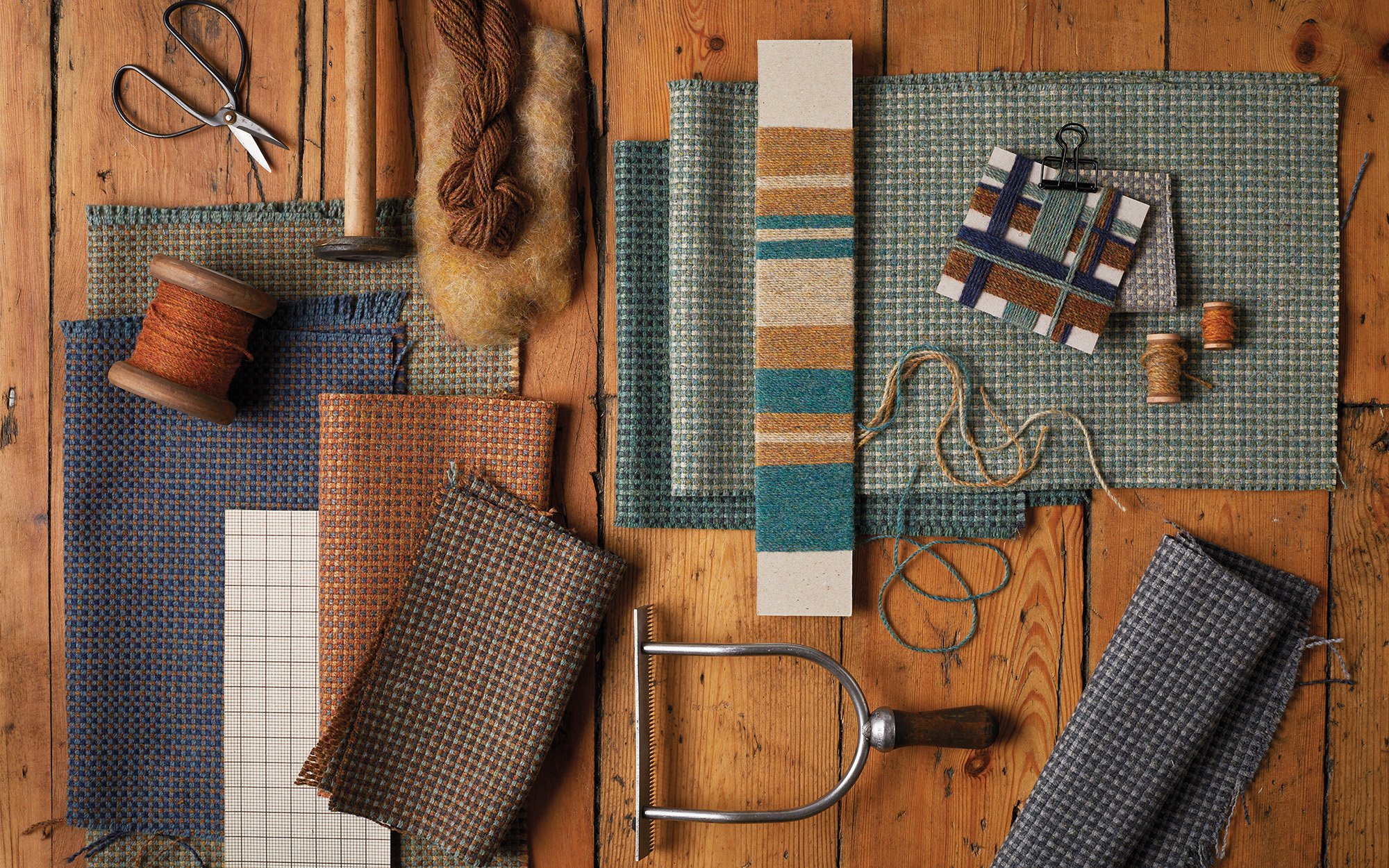
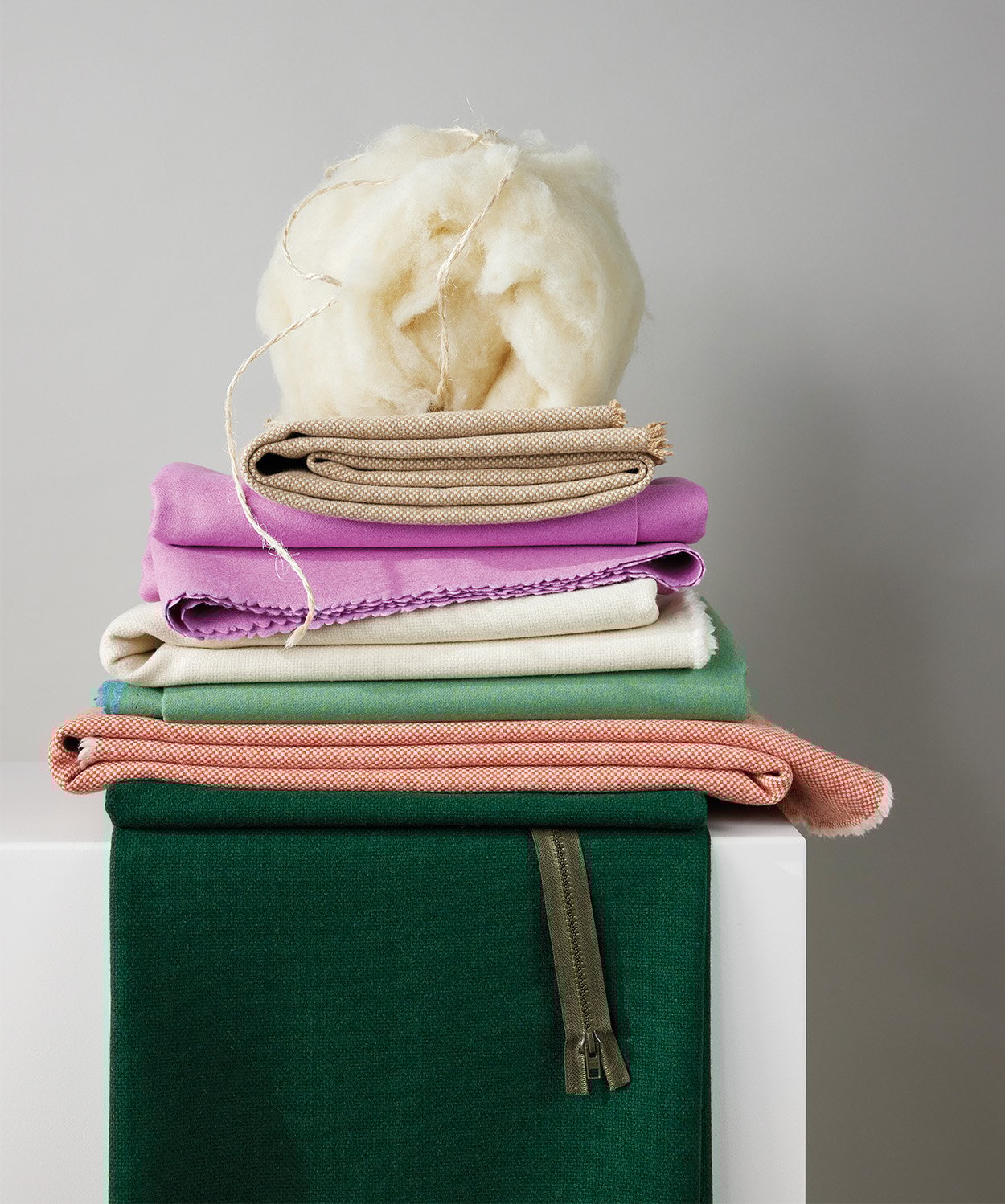
The brand is giving “shoddy” a new shine by teaming up with recycling specialist Dr. John Parkinson and bringing his textile reprocessing machines to its Huddersfield spinning factory. The first collaboration was Revolutionary by Camira: a ten-shade collection of fabrics made from 26 percent recycled wool, with the materials’ past lives evident in the flecks of color on the fabrics’ surface. Camira has now upped the ante with ReSKU 2.0, made from 66 percent recycled wool with flax fibers for added flame retardancy.
But if we can dress our bodies and furniture in wool, why not cocoon our homes in this “inherently over-capable material,” as Legge puts it? He hit upon the idea of starting a U.S.-based wool insulation business while building his vacation home in New Zealand, itself lined in the material, but was unaware of the ten-year uphill battle he would have to fight.
Wool for Healthier, Sustainable Insulation
“The construction industry is dominated by products that are not only toxic but don’t perform well,” he explains, referring to synthetic insulation materials that lack wool’s breathability and moisture control. “If you enter with a high-performing product and tell tradespeople that they can use it similarly—but not exactly the same way as others—it doesn’t work. It took me years to figure that out.”
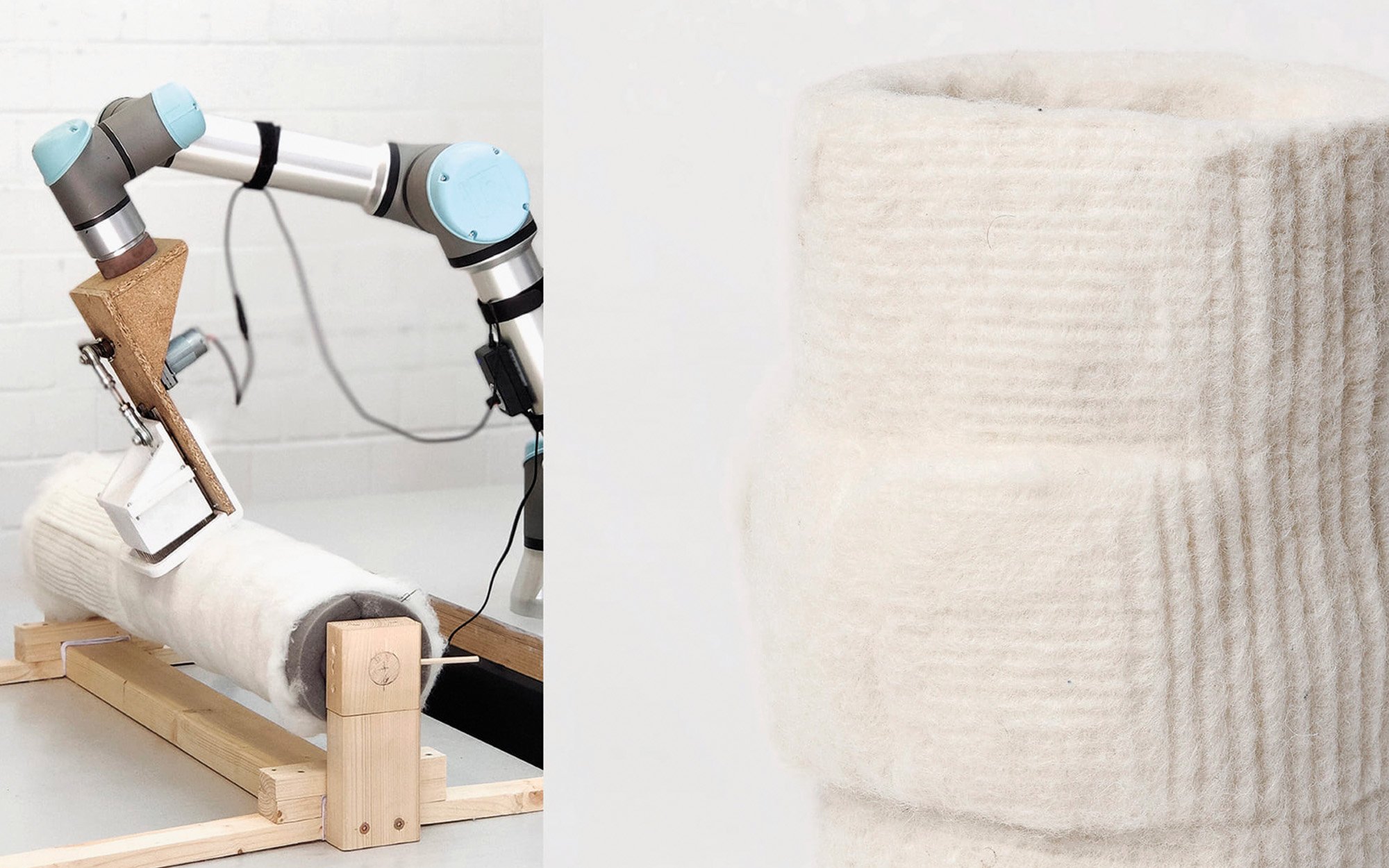
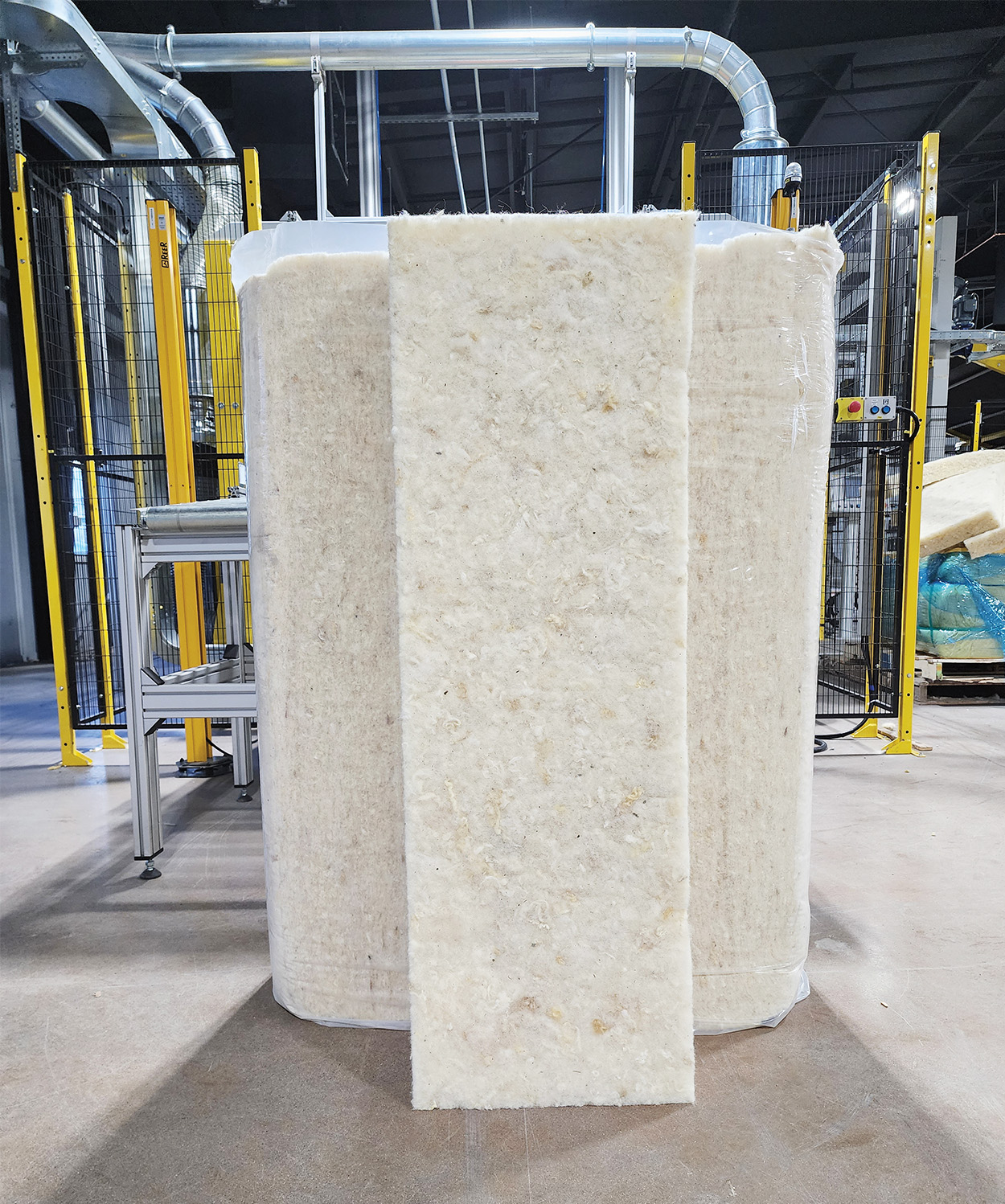
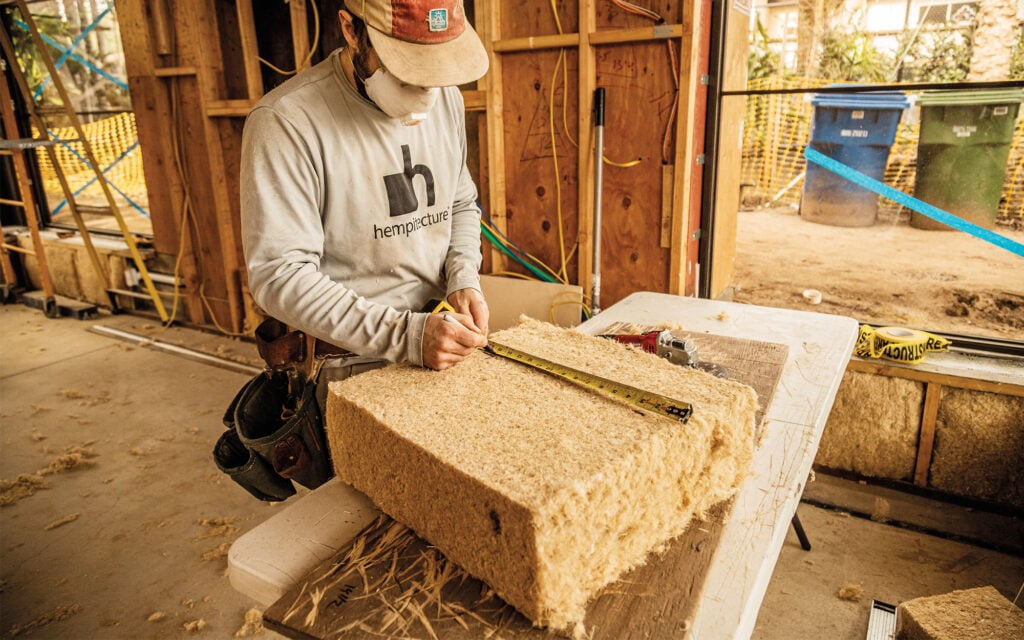
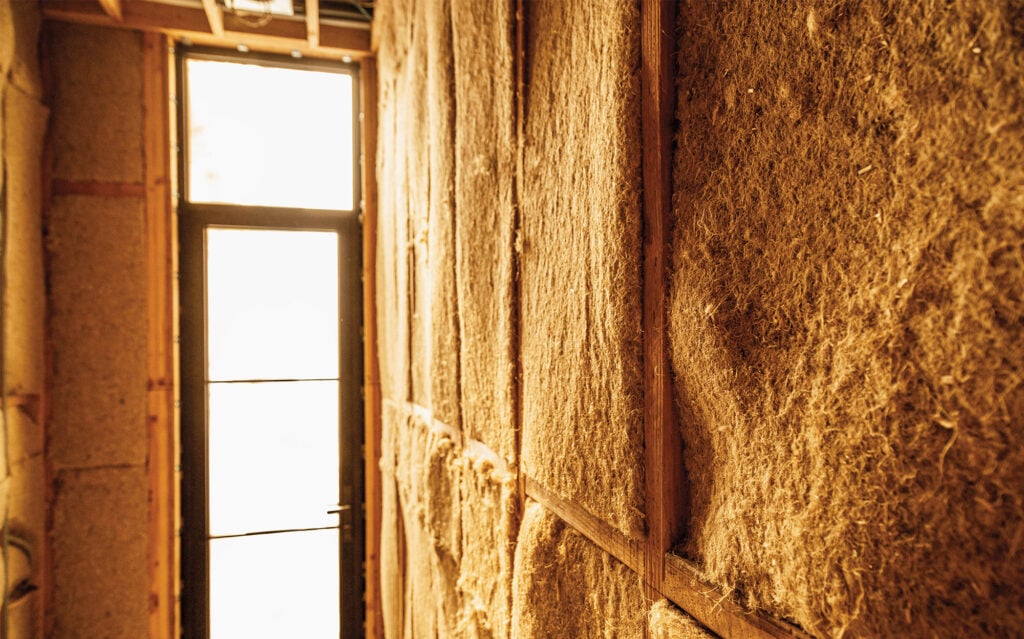
Havelock Wool recently swapped its old fiber carding machines for Italian company Cormatex’s airlay technology, which enables uniform production of nonwoven fibers. If you squash one of its new wool batts, it will spring back into shape. Precut for standard framing, The batts also fit into place without adhesives or tacks.
Legge’s dream is for every American school to feature wool insulation and acoustic panels, helping to “protect young minds” from harmful chemicals that pervade the built environment. To aid this, he would love to “hoover up” waste wool in the U.S., but the country lacks the infrastructure to guarantee quality, he says, so Havelock Wool imports product from New Zealand “due to the country’s expertise in cleaning and grading wool.”
But to boost more than just our own health, we need to support farming practices that care for both animals and soil. Thankfully, change is taking root. In New Zealand, regenerative agriculture platform ZQRX collaborates with merino wool growers across five million acres of land to produce regenerative wool, while in the U.S., Fibershed uses its Climate Beneficial Wool to verify sourcing from land stewards who are restoring soil health. Meanwhile, to bolster the market for recycled wool and raise the standard, international wool authority The Woolmark Company has launched the Woolmark Recycled Wool certification, indicating whether a product is made from 100 percent recycled wool or a blend containing at least 20 percent recycled wool.
If momentum builds, it will add to our comfort as we relax in our wool-lined cocoons, inhaling the healthy air.
Would you like to comment on this article? Send your thoughts to: [email protected]
Latest
Products
5 Smart Designs That Boost Brain Function
Discover products that blend neuroscience and biophilic design to boost focus, reduce stress, and support brain health.

Profiles
This Studio is Reworking Indian Modernism by Hand
In Bangalore, Phantom Hands builds a model of sustainability that merges tradition, technology, and ethical design in a living workshop.