



June 5, 2025
Future100: Lené Fourie Creates Adaptable Interiors
Reflecting Sustainable and Community-Oriented Design
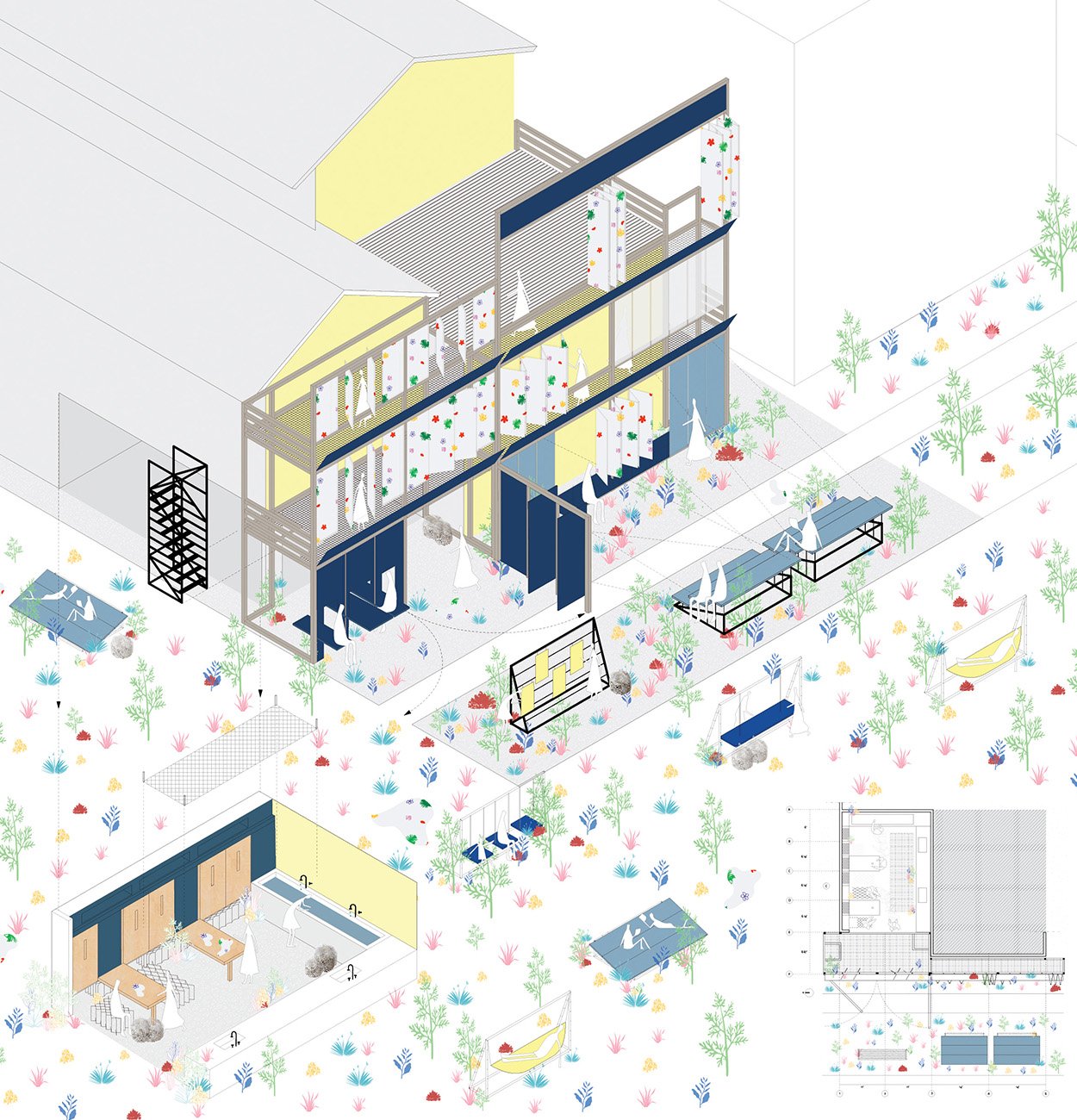
Aware that the biggest challenge in speculative design often lies in its practical implementation, Fourie has considered issues like material durability, structural integrity, and user adaptability in her undergraduate work. Her Pulp It Up Workshop—designed to repurpose a community’s unwanted paper into versatile pulp for casting, sculpting, or crafting furniture and design elements—incorporates recycled paper paneling made in-house as well as a mesh framework that allows weathered panels to be repurposed back to usable pulp. Though the interactive system “would require precise engineering to ensure flexibility without compromising stability,” it’s an entirely self-renewing vision. For Fourie, the successful realization of such projects requires navigating material complexity while preserving the original focus on “playful, immersive engagement.”
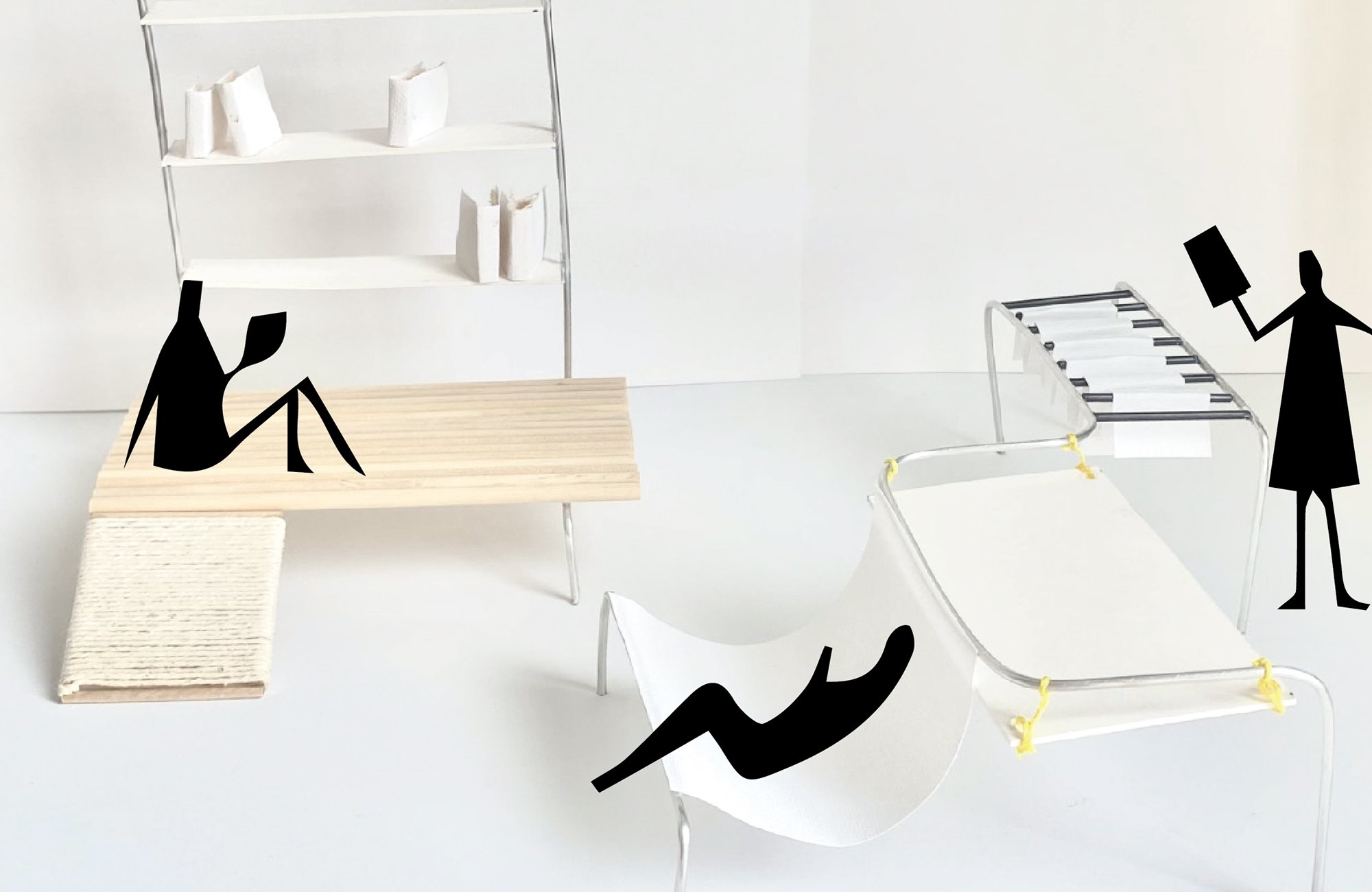
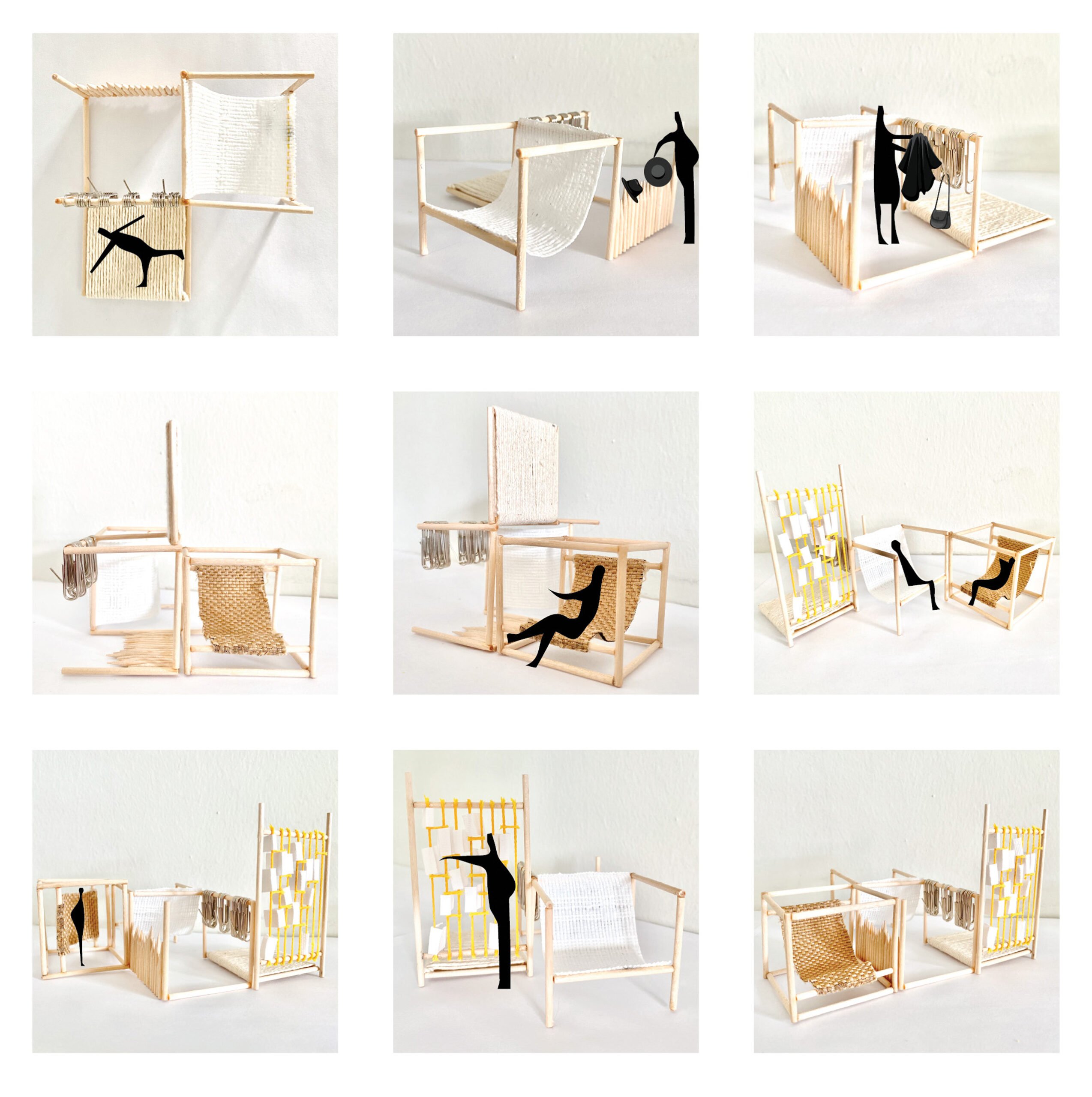
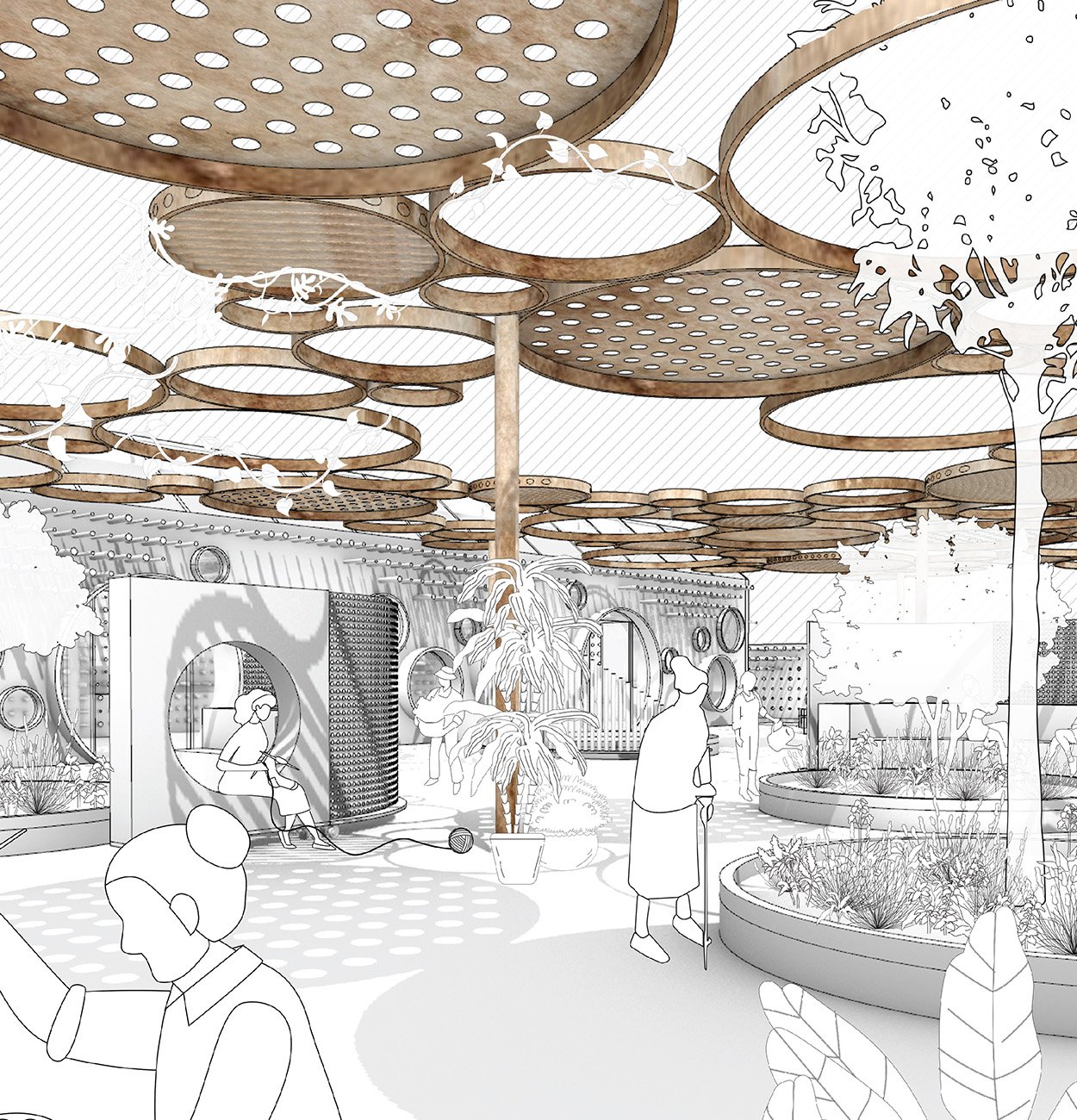
“Flexibility and community are the main things all my projects have in common,” says Fourie. Whether it’s a day care clinic with movable walls, furniture that transforms based on user needs, or a culturally rooted local market that adapts different spaces for group gatherings, her designs foster a sense of community through spatial transformation. In each, movable elements emphasize the importance of fluidity, interaction, and an inclusive, collective use of space.
Would you like to comment on this article? Send your thoughts to: [email protected]
Latest
Viewpoints
What Is and Is Not Biophilic Design?
The creator of the concept of Biophilic Design explains effective strategies that keep us healthy by bring us closer to nature.
Products
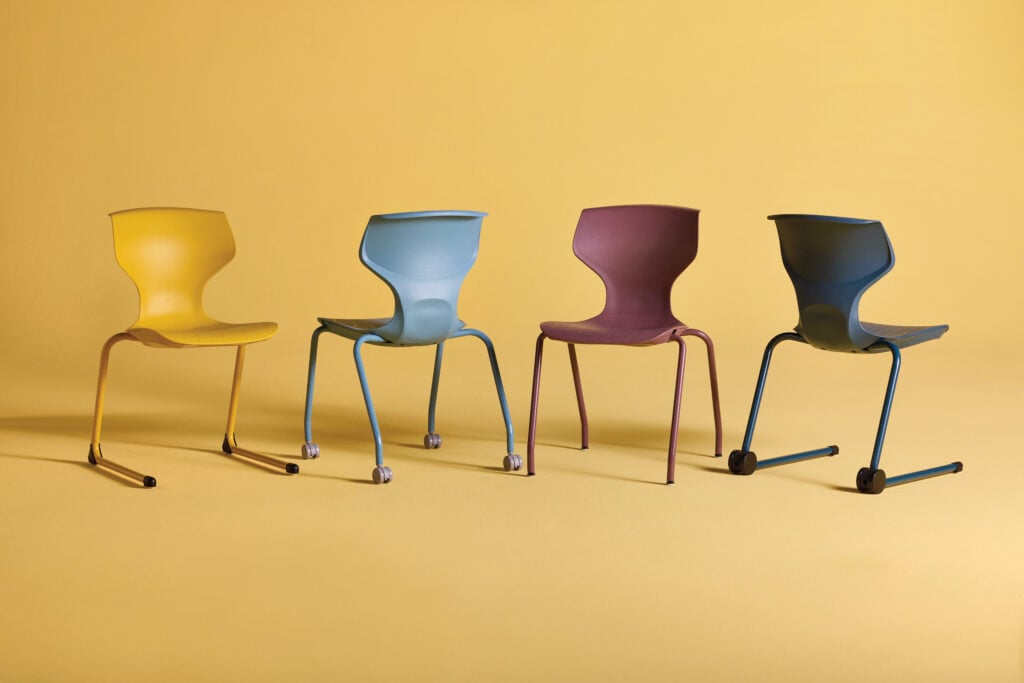
5 Smart Designs That Boost Brain Function
Discover products that blend neuroscience and biophilic design to boost focus, reduce stress, and support brain health.