



July 12, 2025
What We Discovered at 3daysofdesign
Copenhagen’s constantly improving infrastructure is the model of sustainable future-proofing, but so is its ever-compelling contribution to the architecture and furniture design. Though closely tied to their rich modernist heritage—one already centered on the rational and responsible use of readily available natural materials—long-established and newcomer brands, rooted here or nearby, aren’t resting on their laurels. They’re constantly putting forth new solutions.
A culture of historically informed reinvention is reflected in 3daysofdesign, an annual event that blankets the compact city with temporary activations, making good use of different settings. New and refreshed products are debuted in re-contextualized storefronts, museums, palaces, cafes, private residences, and even parks. It’s a far cry from the disorganized mayhem and over-saturation that has begun to infiltrate its counterpoint, Milan’s Salone del Mobile.
Evident in the following product releases, common threads at this year’s edition—June 18-20—included a reassessment of modularity—components that are easily removed to be replaced or upcycled; systems adaptable to different conditions. Several brands and material suppliers demonstrated how they’re re-evaluating the viability of wood as a regenerative material. Others revealed the unexpected potential of mycelium and textiles. Some even explored how furniture could be configured to better facilitate wellness.
Modular Magic
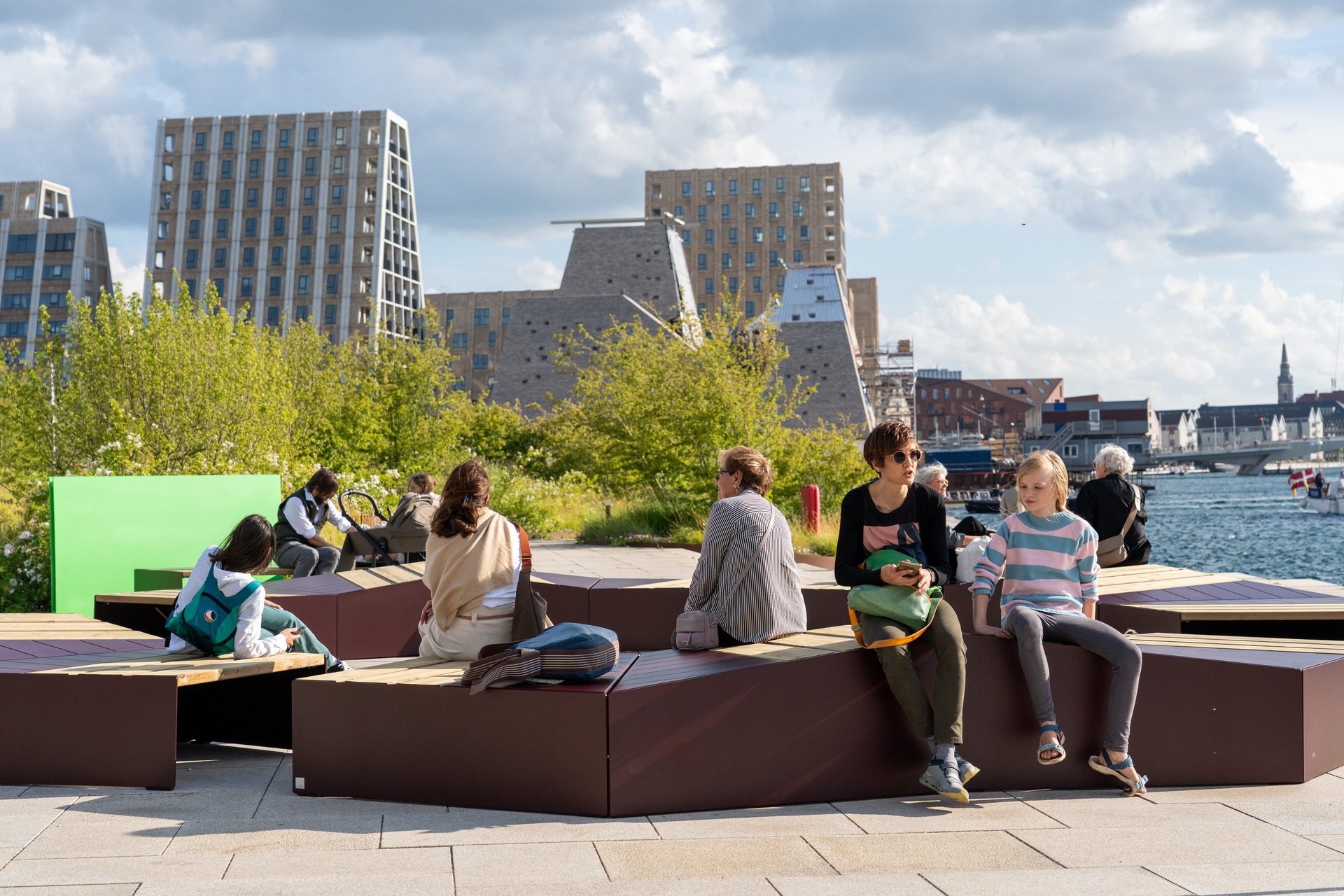
Norwegian outdoor furniture brand Vestre is at the forefront of sustainability, both in the significant reduction of the embodied carbon involved in manufacturing and the circularity of its products. Building on that rigorous commitment, the company chose—with stunning effect—to debut the new UNITY outdoor bench collection within the recently completed Opera Park—impressively designed by local architecture firm Cobe Architects. Deftly conceived by German landscape architect Nikolai Soyka, the new offering consists of modular platforms—produced using both metal and treated wood to account for different weather conditions—that can facilitate everything from sitting to lounging and playing. The “kit of elements” design can serve as a playscape when introduced into a schoolyard. The universal, architectonic forms—defined by gentle angular pitches—can take on a myriad of functions while remaining sturdy. The benches can be configured in innumerable arrangements depending on the constraints of any given location.
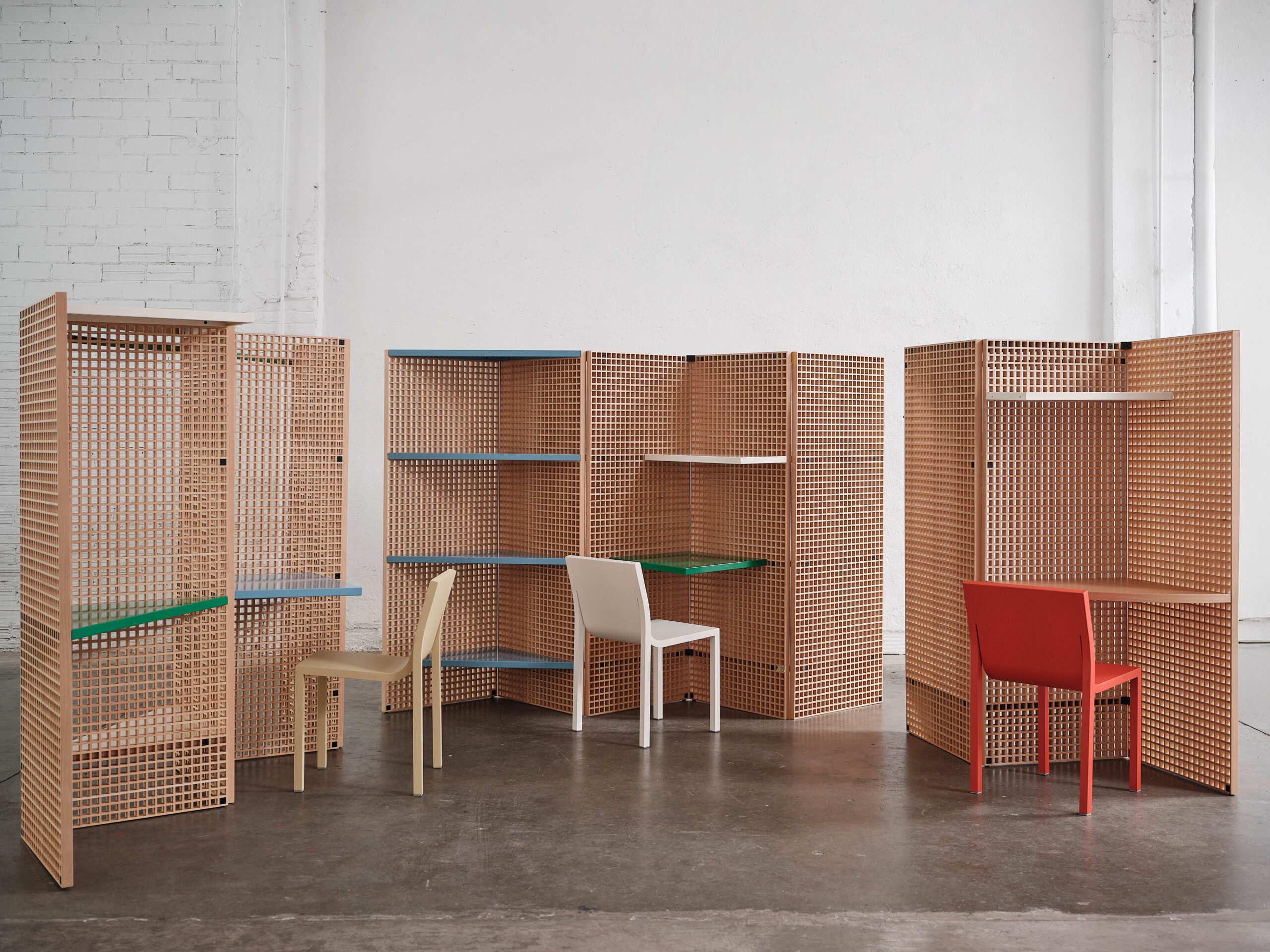
Another strong example of interchangeability is the new RASTERS office cabinet and paravent system developed by Belgian design duo Muller Van Severen and Brussels-based architecture firm OFFICE KGDVS for Spanish producer BD Barcelona. Rendered in sustainable materials—naturally varnished solid beech and durable powder-coated steel—the collection builds on the tried-and-true industrial grid as a fundamental type of armature. RASTERS debuted at a new offsite event Other Circle—which focused on showcasing the more avant-garde and interdisciplinary through-lines currently permeating contemporary design.
Well-balanced Wood
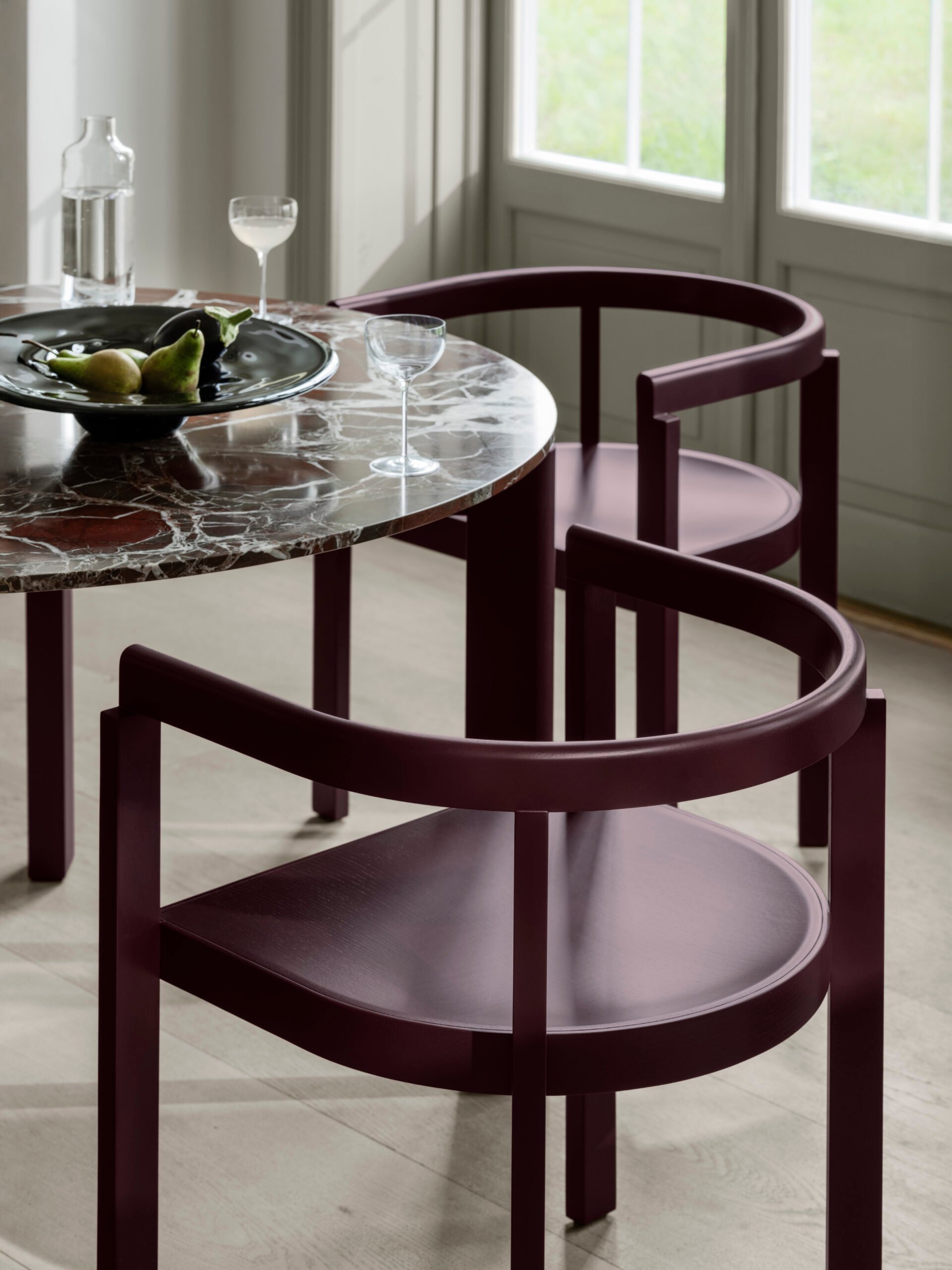
Historically harnessing the abundant forests of nearby Sweden, many heritage Danish brands have mastered the “art” of the pared-back, mono-material chair. Though production has all but shifted to Poland, sourcing from its equally bountiful supply of timber, many of these furniture companies are ceaseless in their pursuit of perfecting the typology. Case in point: London-based Cypriot designer Michael Anastassiades’ new After series developed for Fritz Hansen. The monolithic furnishings—a chair and adjoining table—take on a simplified and honest form, distilling the ergonomics and structural innovations introduced by noted mid-20th-century heavyweights Kaare Klint and Poul Kjærholm. Solid ash—rendered in what appears to be succinctly stacked geometric forms—seems to have been left untreated.
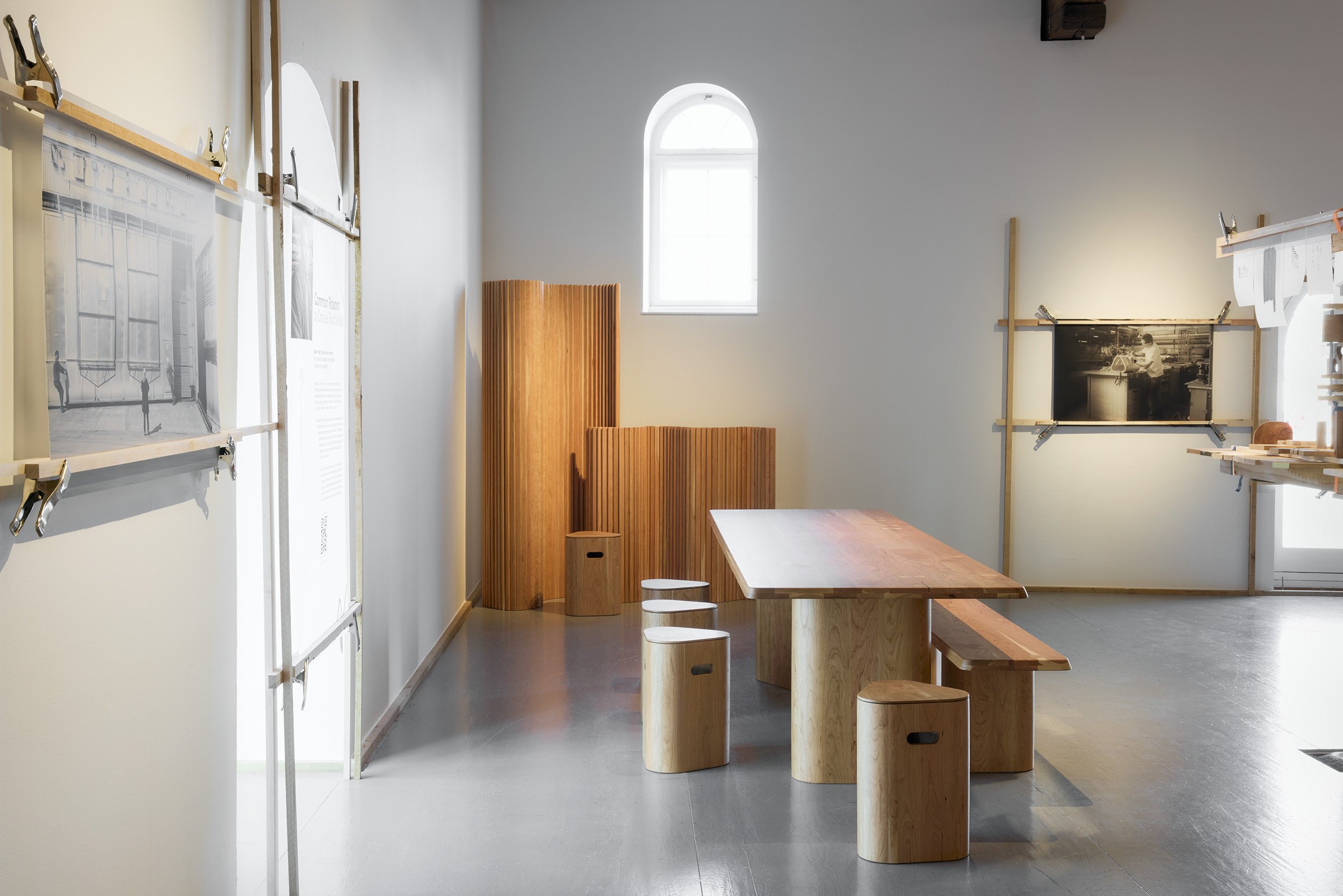
Various institutions, companies, and individual practitioners came together for the comprehensive Material Matters group showcase, emphasizing the value of circularity from a broader and more diverse standpoint. One of the exhibitors, American Hardwood Export Council (AHEC), took this opportunity to challenge one of the furniture industry’s outdated conventions. Imagined by multivalent designer Kia Utzon-Frank, the organization’s “No.1 Common” immersive installation——revealed the myriad uses for underused timber grades, parts of a felled tree that are deemed too imperfect to be used in refined designs and that are ultimately thrown away. Various structural elements, but also speculative furniture pieces, were presented as evidence to the contrary.
More Mushrooms
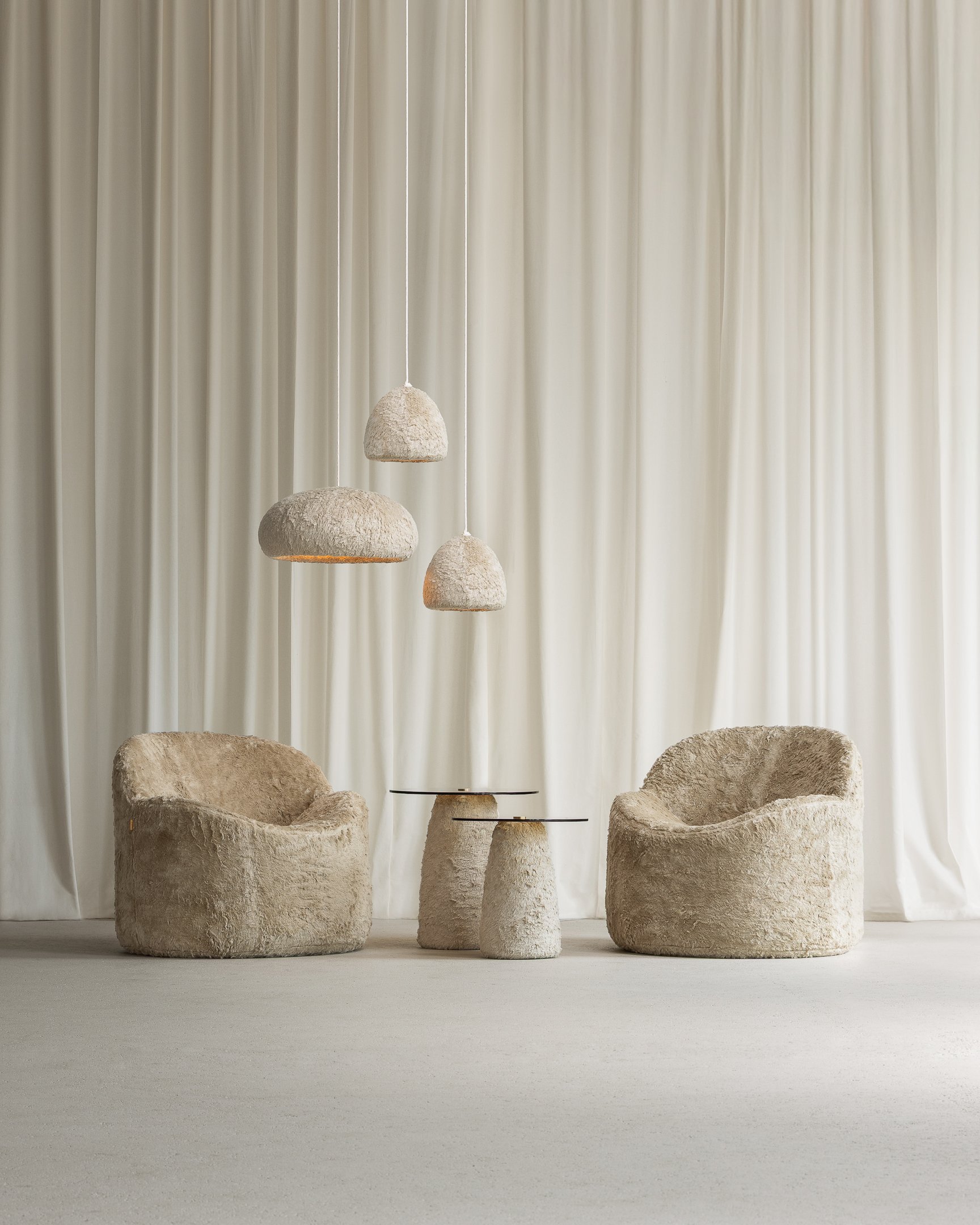
Also exhibiting as part of Material Matters was newcomer Dutch brand Aifunghi. Mycelium—the root-like structure of a fungus—has come in and out of favor over the past decade. Unfortunately, most early attempts of capturing this bio-based alternative to more finite natural material have resulted in novelty; feeble experiments not really amounting to anything else. Regardless, research has persisted and entities like this furniture company are implementing the latest developments and to impressive effect. Aifunghi’s proprietary mycelium-based composite (MBC) incorporates the fortifying properties of hemp within the controlled growing process. As revealed during the showcase, the new process can be used to form the structure of armchairs, tables, and pendant lamps.
At the forefront of mycelium, MycoWorks also made a strong showing at this year’s 3daysofdesign. The biotech company chose to demonstrate the agile application of its hyper-refined Reishi material by commissioning five Danish architecture and design practices to reinterpret established object typologies using the material. The resulting products—speculative for the time being but with market potential—stemmed from a re-evaluation of Nordic design principles: simplicity, functionality, tactile beauty, and the canalization of natural light, an all-too precious resource in this part of the world. While duo Frederik Gustav implemented the material as a semi-translucent shade for its wing-like Arbor pendant lamp, designer Maria Bruun used it in the increasingly popular category of slightly decorative paravent screens.

Robust Rugs
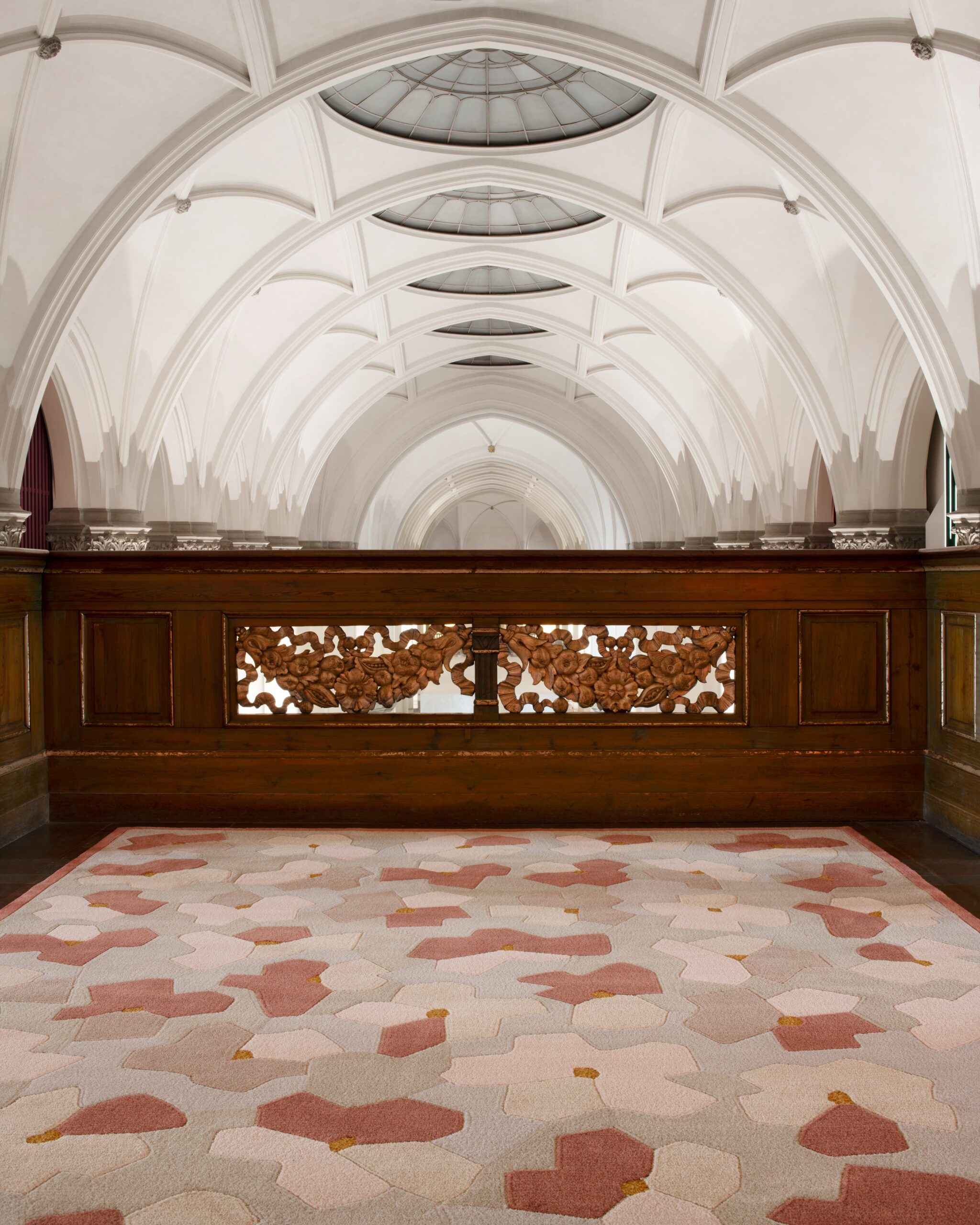
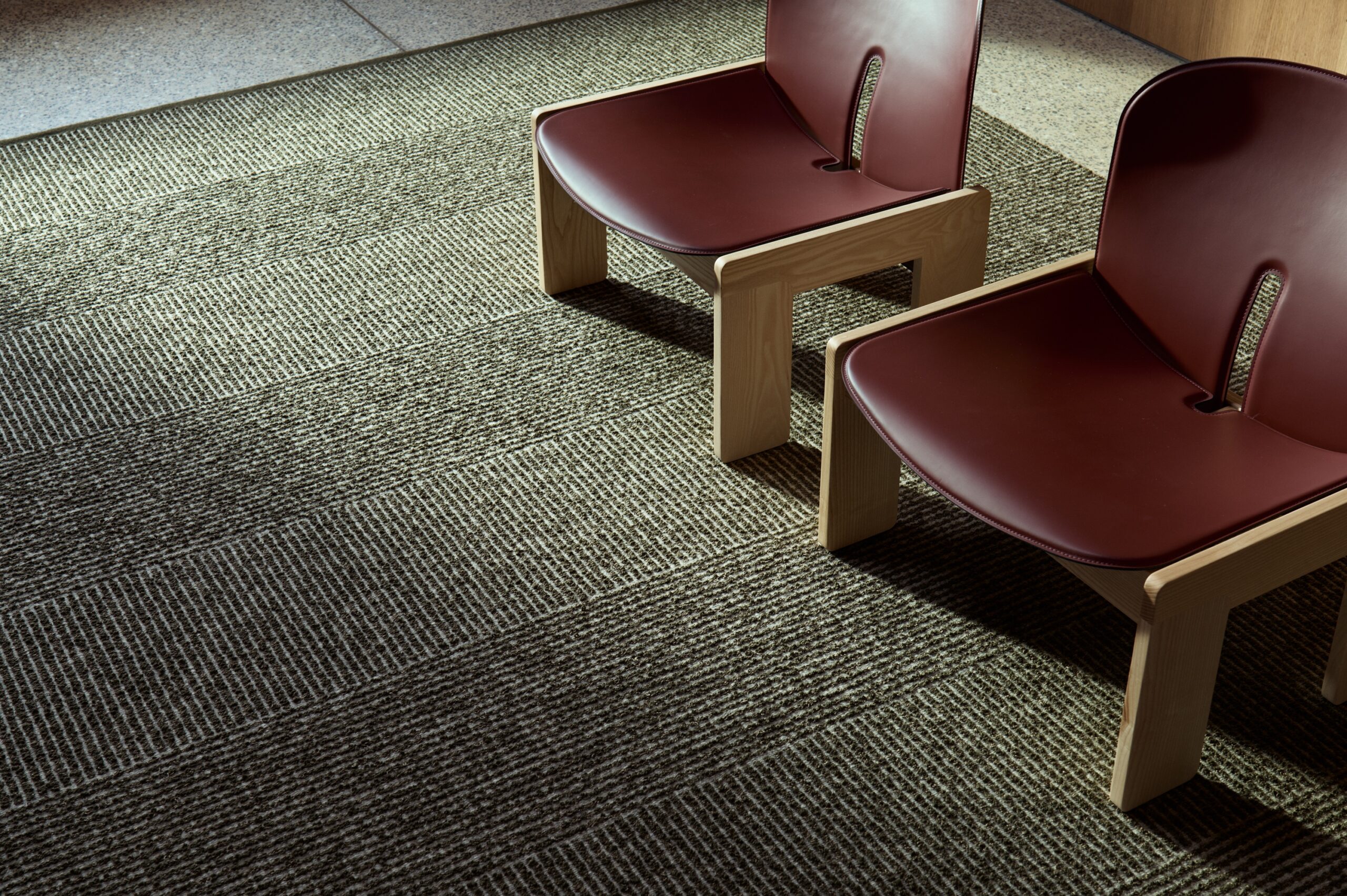
Textile is another fundamental material with deep roots in nearby Sweden, specifically the region just southeast of Gothenburg. Here, heritage brand Kasthall still produces high-quality rugs often depicting vibrant compositions such as the recently re-editioned Anemon collection, Gunilla Lagerhem Ullberg’ seminal floral design from 1991. Debuted at 3daysofdesign was Pritzker Prize-winning British architect David Chipperfield’s Fasad series. Translating the nuanced visual variation of patterned brickwork into woven textile, the rugs are produced using recycled wool. Many Scandinavian brands are implementing programs in which older products are ‘bought-back’ by their original manufacturers and disassembled. The various components are reimplemented through the same or new processes.
Armadillo took an unexpected approach during this year’s event. The Australian rug brand tapped Sydney-based designer Tom Fereday to develop the Agra Forma capsule collection. The imaginative exploration takes this textile application off of the floor and utilizes it as upholstery for furniture. The mono-material wooden chair, benches, and tables—a clear nod to Danish design—are gently laden with carefully placed tufted patches of the natural fibers, available in various earth tones. The Nordic design principles espoused in MycoWork’s latest Reishi collection mentioned above—simplicity, functionality, tactile beauty—ring through these refined designs as well.
Wellness Re-Written
Today, sustainability isn’t just about circularity or reducing carbon emissions. This ever-evolving framework has to account for an individual’s or a collective‘s well-being. Developed with established yet ever-fresh Danish manufacturer Muuto, the Dream View Beach was designed by Copenhagen-based talent Lise Vester to do just that: help people daydream. The wavy contour of the metal chair encourages the user to lay back and look up for a while. This exploration stems from her own experience going through cognitive behavioral therapy, gaining an intrinsic understanding of how important it is for one’s mental health to take breaks throughout the day. Though seemingly simple or even stylistically superfluous in shape, this carefully proportioned design engenders a different type of function. The form, in fact, serves an intended function.

Would you like to comment on this article? Send your thoughts to: [email protected]
Latest
Products
5 Smart Designs That Boost Brain Function
Discover products that blend neuroscience and biophilic design to boost focus, reduce stress, and support brain health.
Profiles
This Studio is Reworking Indian Modernism by Hand
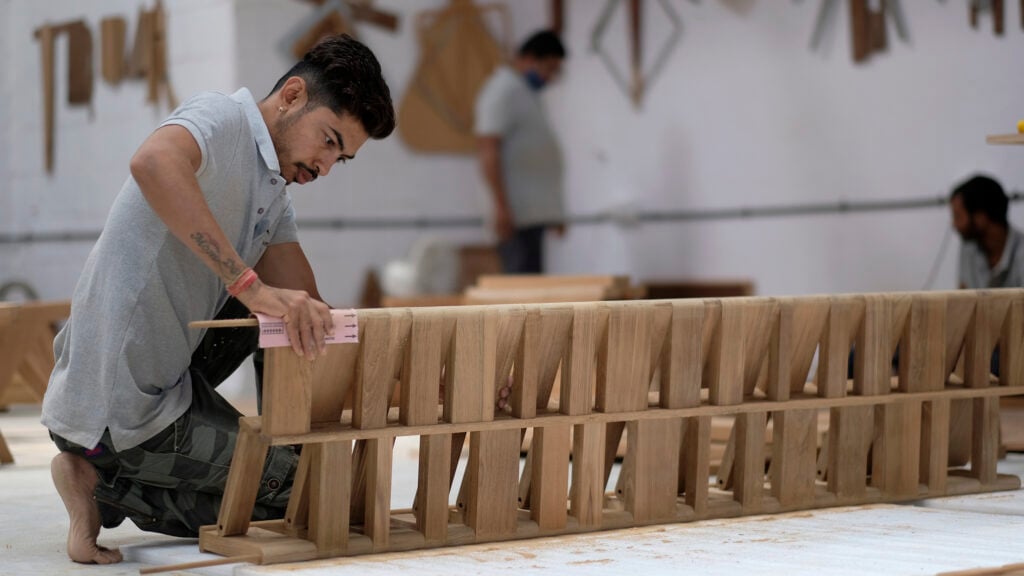
In Bangalore, Phantom Hands builds a model of sustainability that merges tradition, technology, and ethical design in a living workshop.