


July 23, 2025
Asif Khan’s Architecture as Art Practice
Asif Khan is in a contemplative mood. When we speak, the London-based architect has just returned from Saudi Arabia, having taken his parents to see an artwork he created for this year’s Islamic Arts Biennale in Jeddah: the Glass Qur’an is a perfect facsimile of the central Islamic religious text, with each of the 600 pages recreated in 0.1 millimeter thick glass and hand-gilded calligraphy. “My dad was very emotional,” he recalls, explaining that it was the first time the family had visited the country and done umrah (the Islamic pilgrimage to Mecca that can be done anytime of the year) together.
The trip isn’t the only reason for this moment of pause. Last year, he tells me, he had heart surgery—which gave him a profound shift in perspective. “I felt [before the surgery] as if there was nothing left to lose, and that I needed to make my final statements about why I’m here,” he says. The result was a renewed sense of clarity about what ties together his body of work. “I now understand that I approach architecture as an art practice,” he explains. “A building has the power to change the way you think, and the purpose of art is also to transform our perspectives—that’s my interest.”
It all makes sense when you look at the expressive nature of his current range of projects. Take the renewal of London’s Barbican Centre—this, he says, is “about my father,” with whom he visited the arts venue and residential development as a child. “He always dreamed of living in the Barbican—the lake there reminded him of the Mughal Shalimar Gardens in Lahore,” he says. Also in his hometown is the highly anticipated London Museum, which is relocating to the 850-year-old former meat market, Smithfield next year. Khan has designed what he calls a “coral reef” for culture, using the 47 shop fronts around the perimeter as space for the museum to curate partnerships with smaller organizations. “A museum that faces the city can continuously absorb it into its facade and become a protagonist in its future.”
Five years away from completion is his Museum of the Incense Road in Saudi Arabia. Located along an ancient trade route, it will only be open at night. “The caravans along the incense road would have moved at night, so you’ll arrive there in the right state of mind and with a sense of smell that’s 20 percent stronger than in the daytime,” he explains.
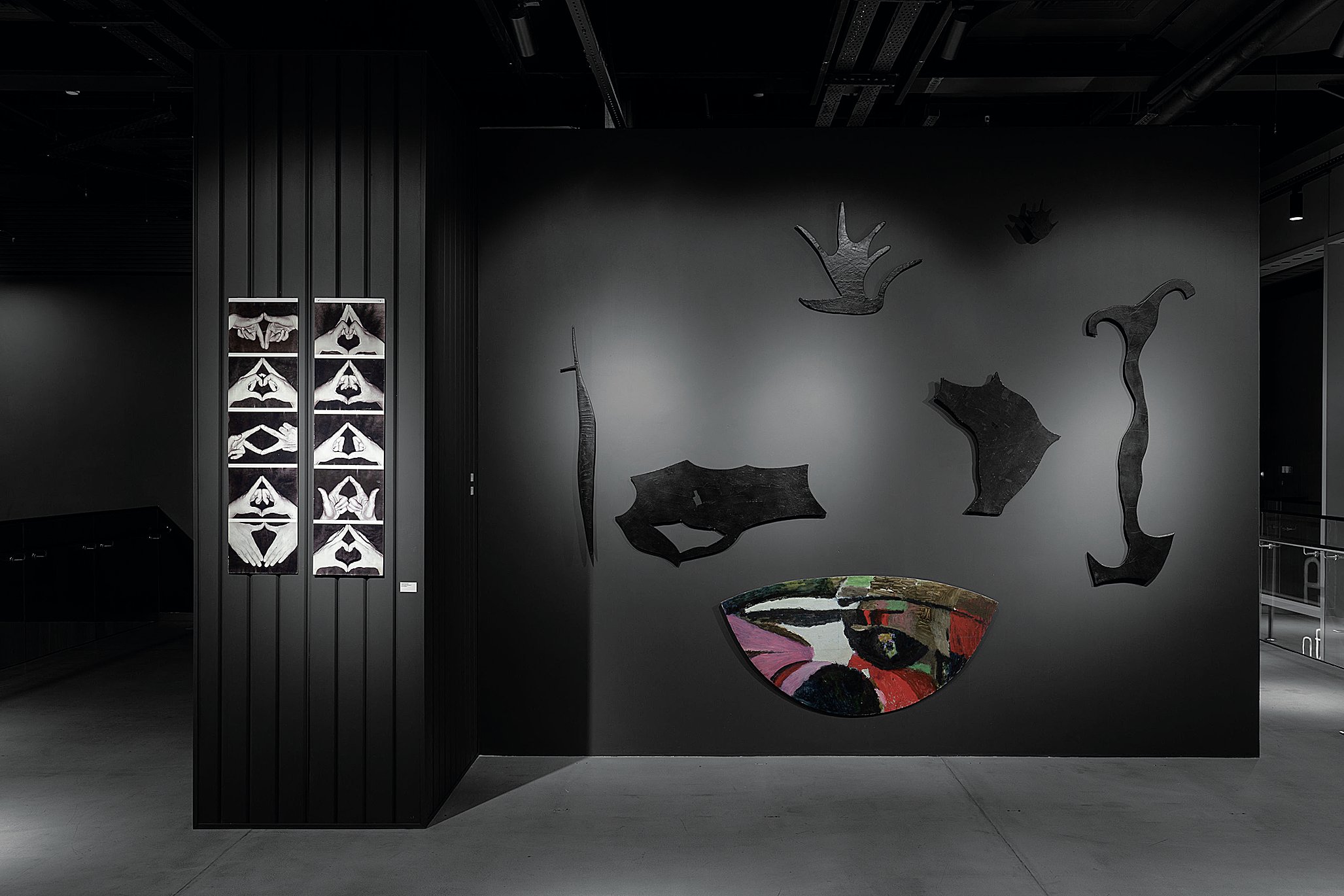
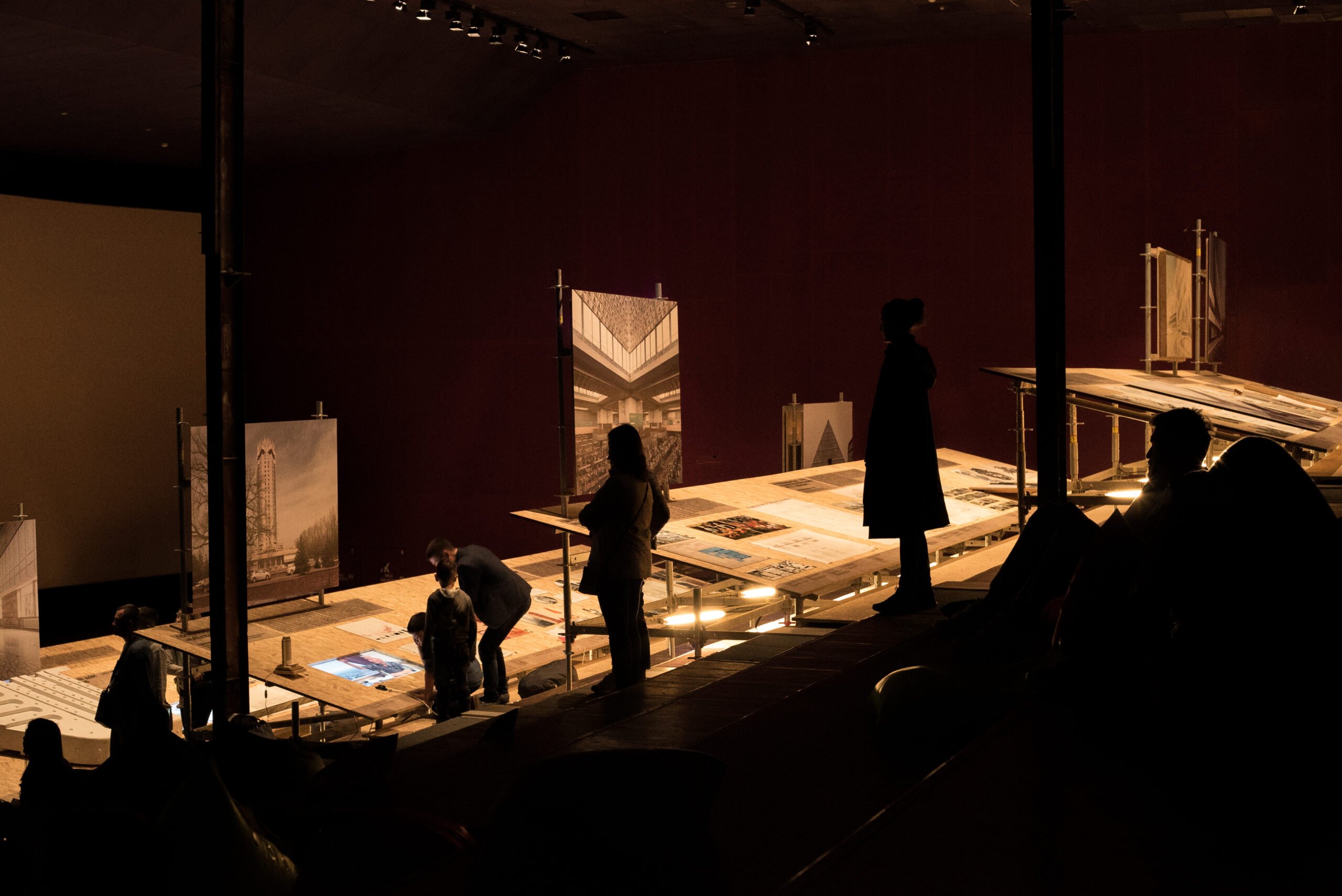
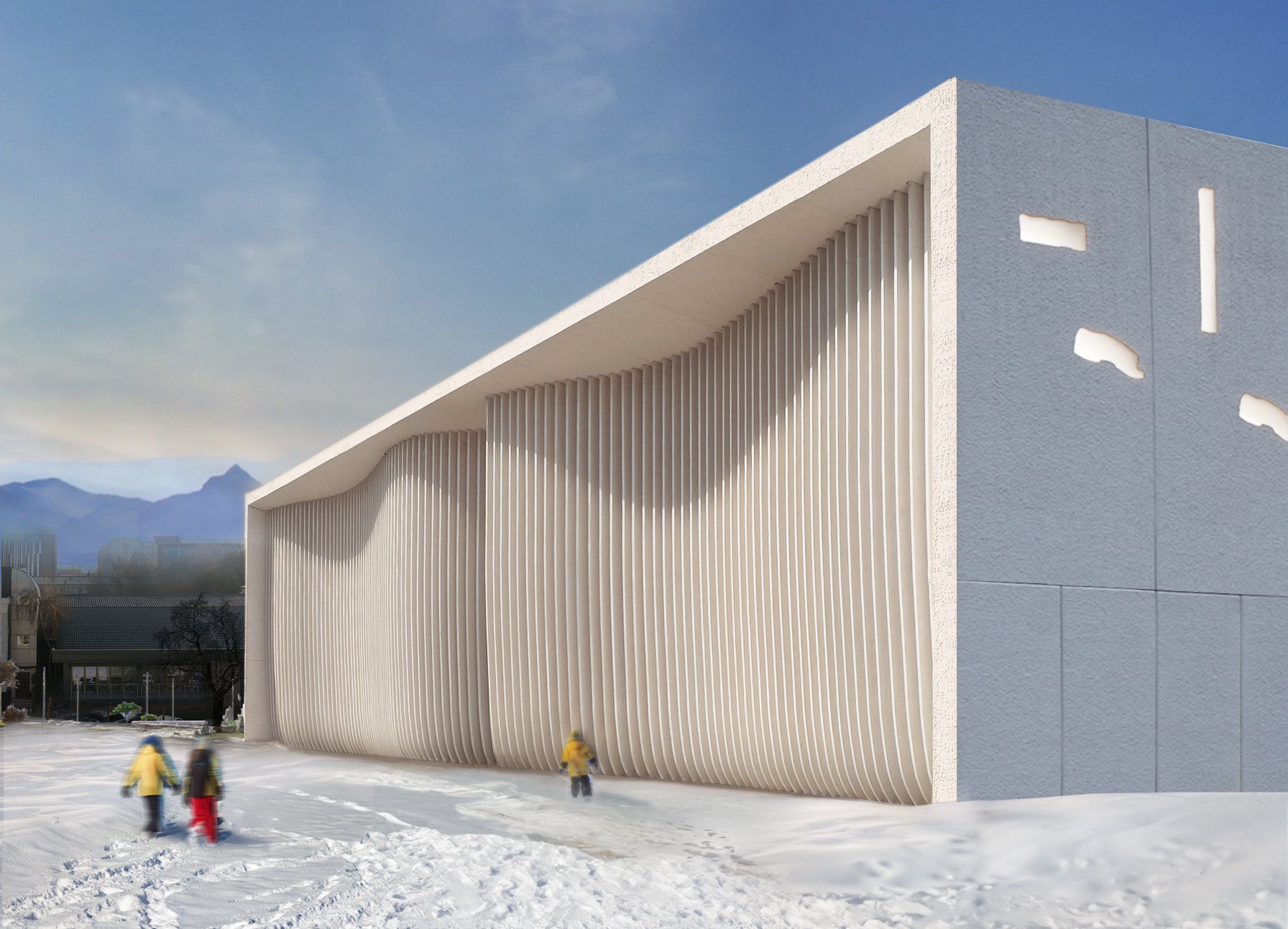
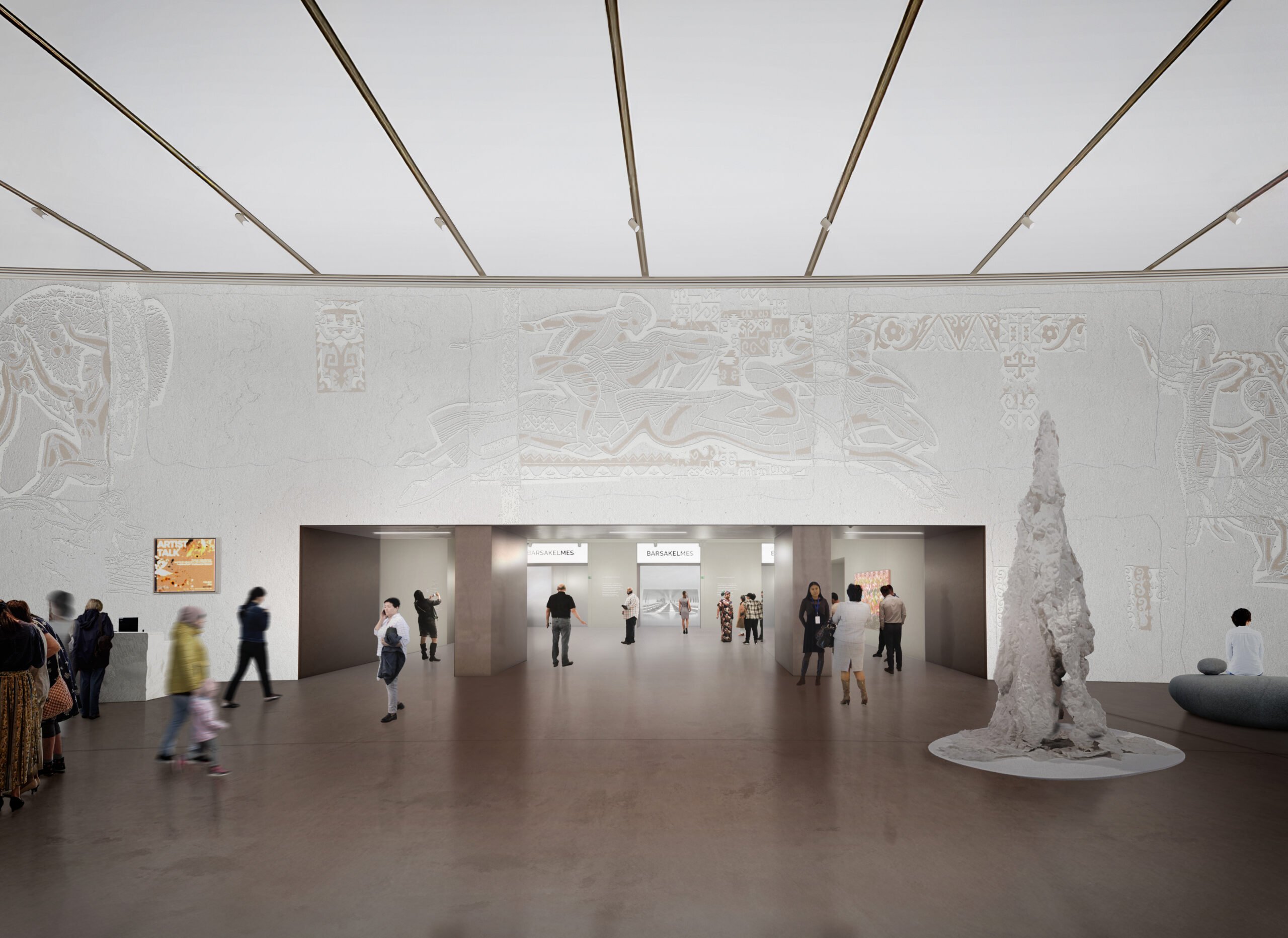
Most recently, Khan completed a major project in Kazakhstan’s capital Alamaty: the conversion of Central Asia’s largest Soviet-era cinema into the Tselinny Center of Contemporary Culture. The name is the Russian term for terra nullius—the Soviets in the mid 20th century saw the Kazah steppe as barren and uninhabited, and swept aside the nomadic people who lived there through cultivation and development. In renovating this modernist building—a remnant of that era—Khan’s embraced its public importance, while addressing the painful histories it represented. “It’s about disarming a building with a colonial legacy, so it channels the past without being in its shadow and becomes a blank canvas for a new generation of artists,” he says. “There are echoes there of my own connections to Empire and the colonization of the Indian subcontinent, so it’s also helped me to understand more about myself.” His most striking addition is a new facade, with a combination of full height sweeping white vertical fins, and embedded motifs inspired by nomadic cosmology.
Owing to his diasporic upbringing and international familial connections, Khan sees himself as a cultural polyglot—and it’s this that he sees as his most powerful tool. “As a migrant, you’re able to see things others can’t—you can almost look into the heart of what a culture is about and, once you understand it, you can translate it and transform the place you’re in.”
Would you like to comment on this article? Send your thoughts to: [email protected]
Latest
Projects
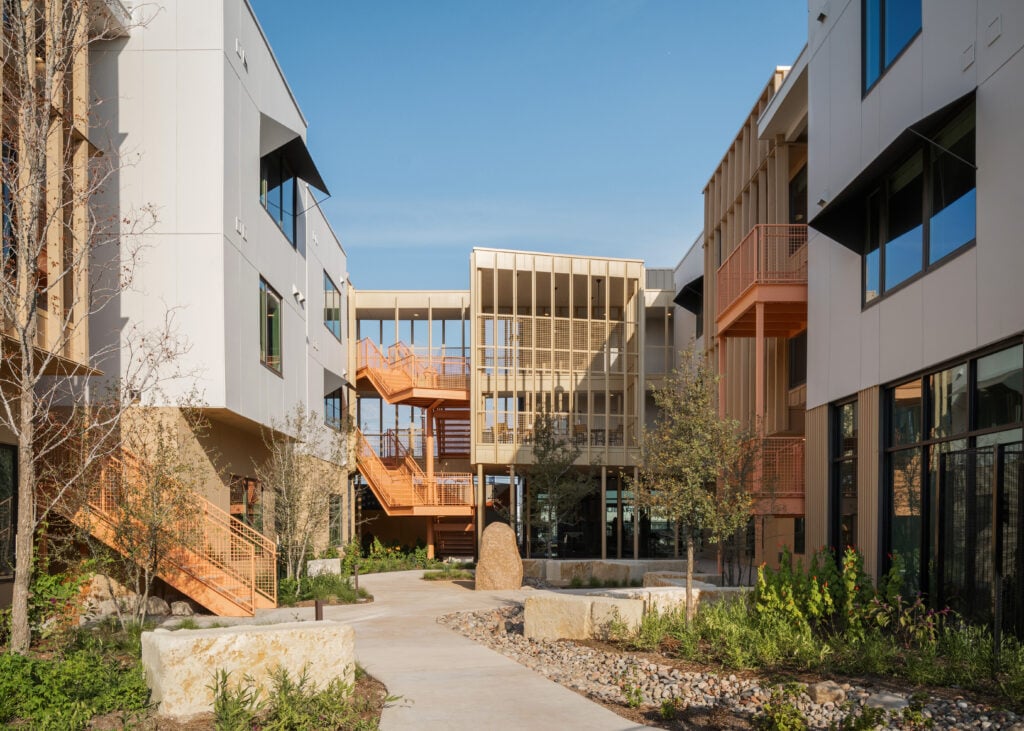
Where Housing Meets Humanity
Three innovative housing projects that focus on care, community, and climate, redefining public housing with dignity.
Projects
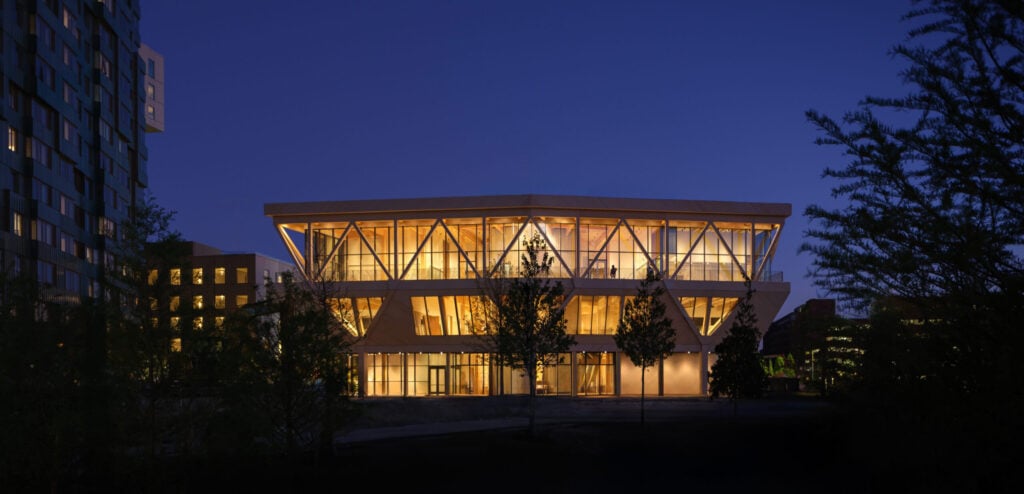
Jeanne Gang on Harvard’s New Rubenstein Treehouse
The architect unpacks how material, structure, and openness converge in the university’s first mass timber building.