


September 17, 2025
How a Fresh Materials Mindset Can Transform Your Projects
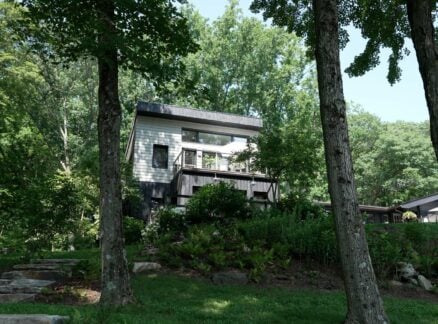
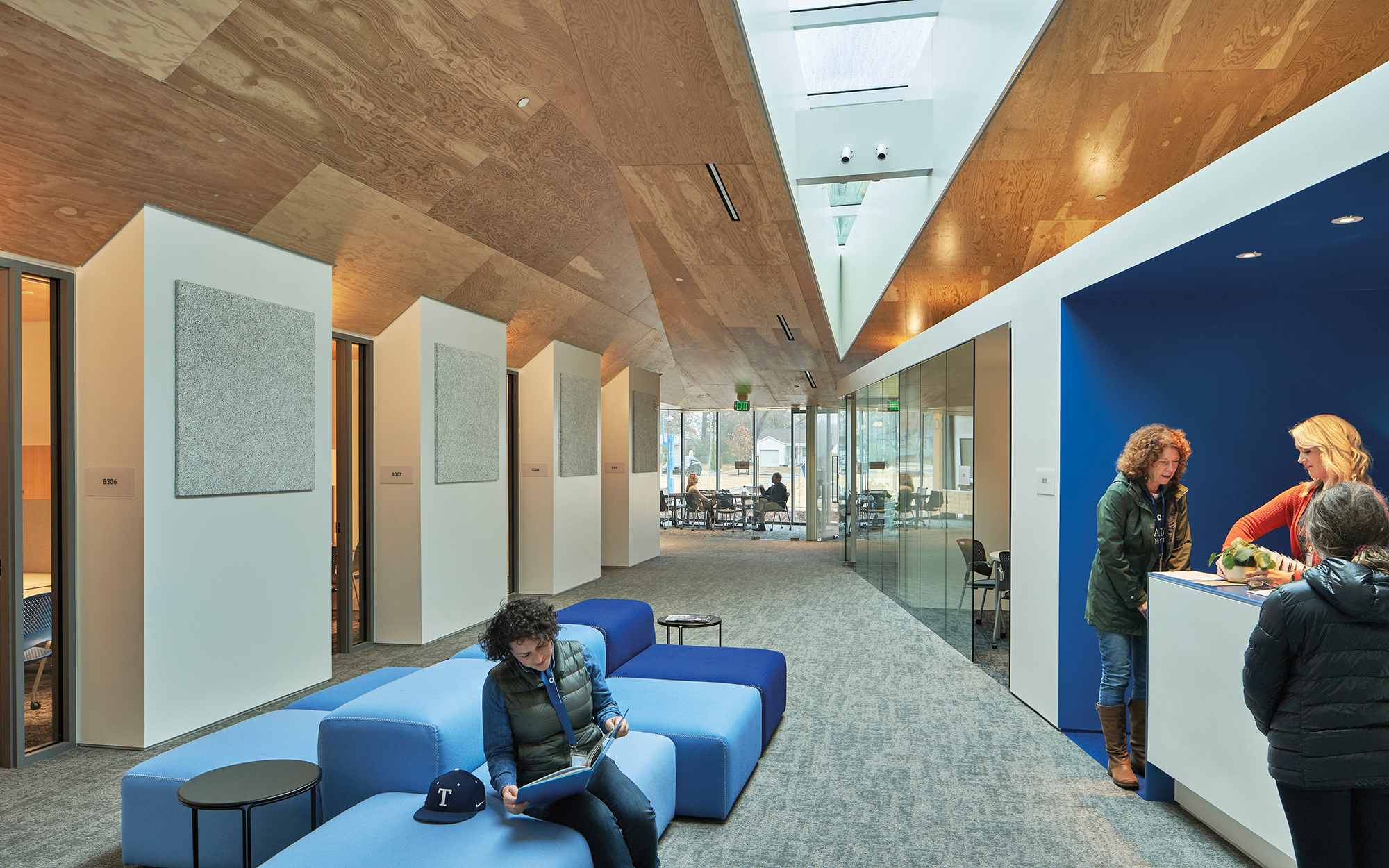
The teams at HLW, IA Interior Architects, and Page discovered this for themselves when they added lower embodied carbon emissions to their set of goals on recent projects. Low-carbon choices resulted in cost savings for United Airlines, a healthier office for Lord Abbett, and a more harmonious fit between the base building and the organization’s needs in the case of Page’s own Austin office.
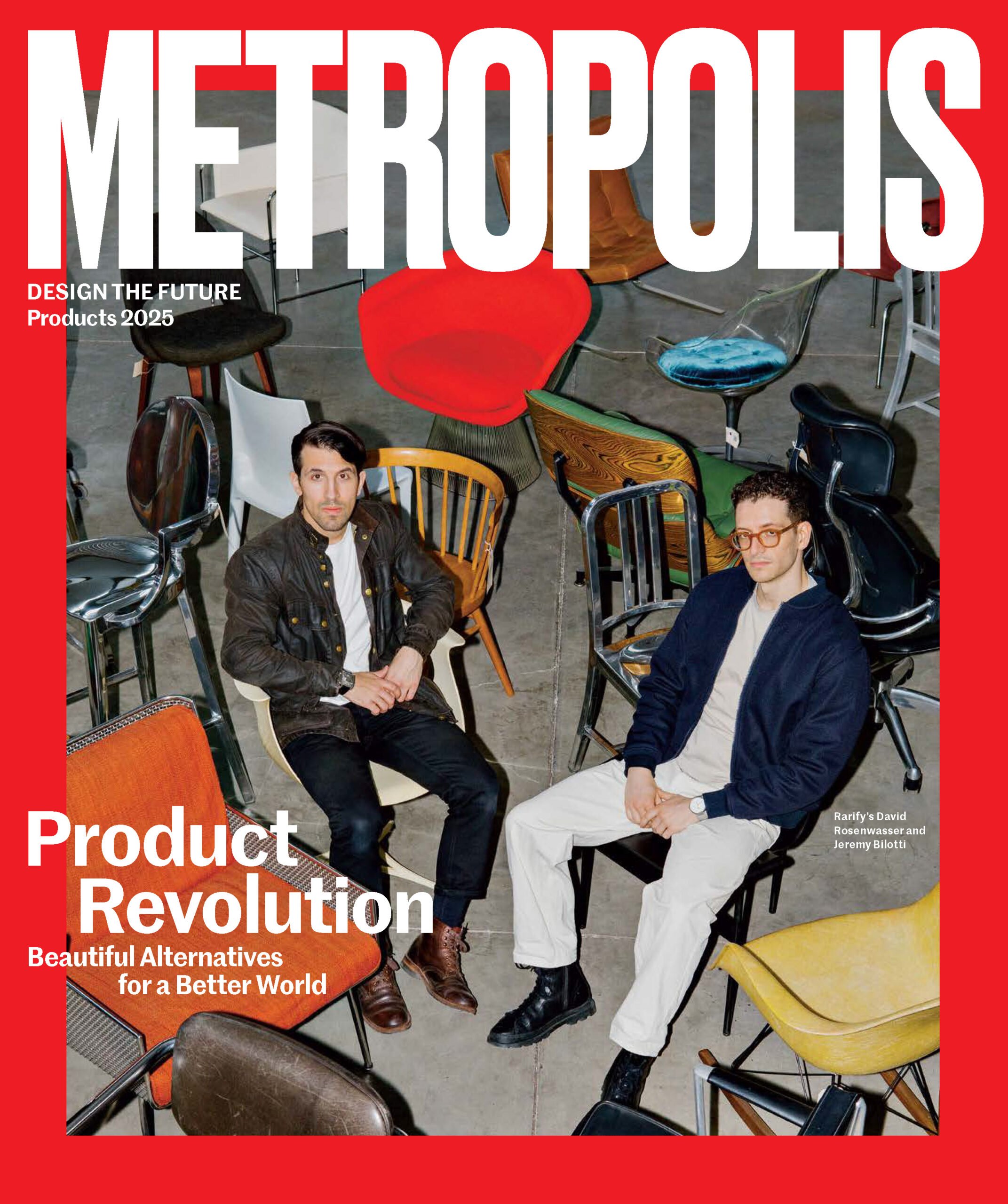
Zoom in on a single product category, and this point becomes even clearer. Most studies show that furniture has the biggest carbon impact in an office renovation, but it has also never been more exciting to make low-carbon choices in furniture! If you work with e-commerce platform Rarify, you can have design icons in your project while lowering costs and carbon emissions. Want to stick with a major furniture manufacturer for the advantages of scale and customer service? Haworth, Steelcase, and Flokk are all retooling their offerings to incorporate more circularity. And if you want to get even edgier, Heller now offers its entire range of beautifully designed furniture in a biodegradable material.
In fact, this issue is simply full of inspired material alternatives, from the rediscovery of wool, as written in the article “Should Wool Play a Bigger Role in the Built Environment?,” to new developments in metals, as outlined in the article “Lighter, Smarter, Stronger Metals.”
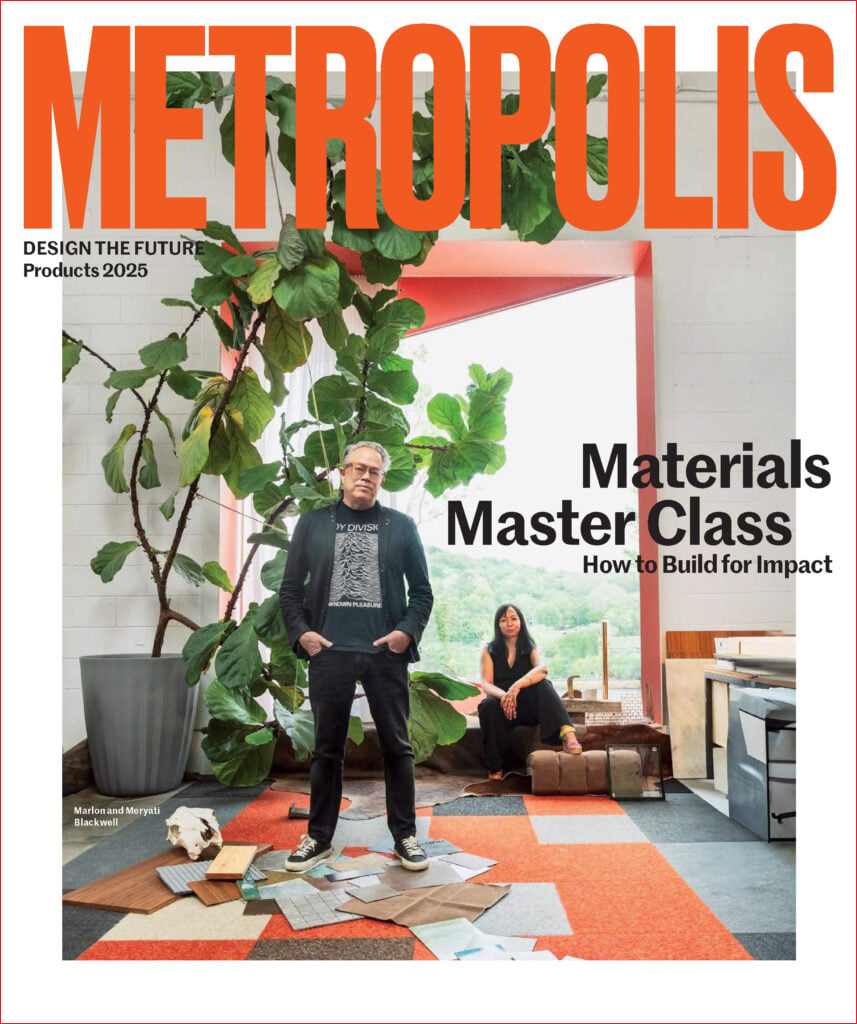
Remember Marlon Blackwell’s insight: Good ideas can be realized in a myriad of ways. You have the power to make choices that prevent harm and do good in the world. Use the articles from this issue to pick one better option, at least, and don’t hesitate to ask METROPOLIS for support if you find yourself in a materials quandary—we’re always just a message away on Instagram and LinkedIn, @metropolismag.
Read every story from our 2025 Products Issue:
Features
Profiles
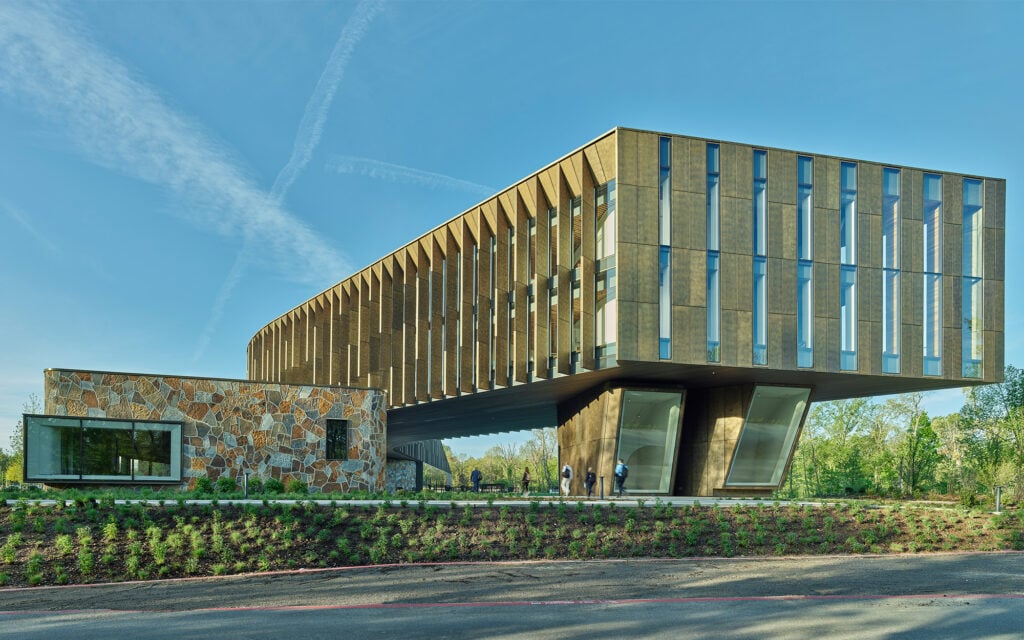
The Blackwell Philosophy Turns Sites into Statements
Synthesizing regional conventions with a myriad of other ideas, Marlon and Meryati Johari Blackwell create remarkable spaces and places.
Profiles
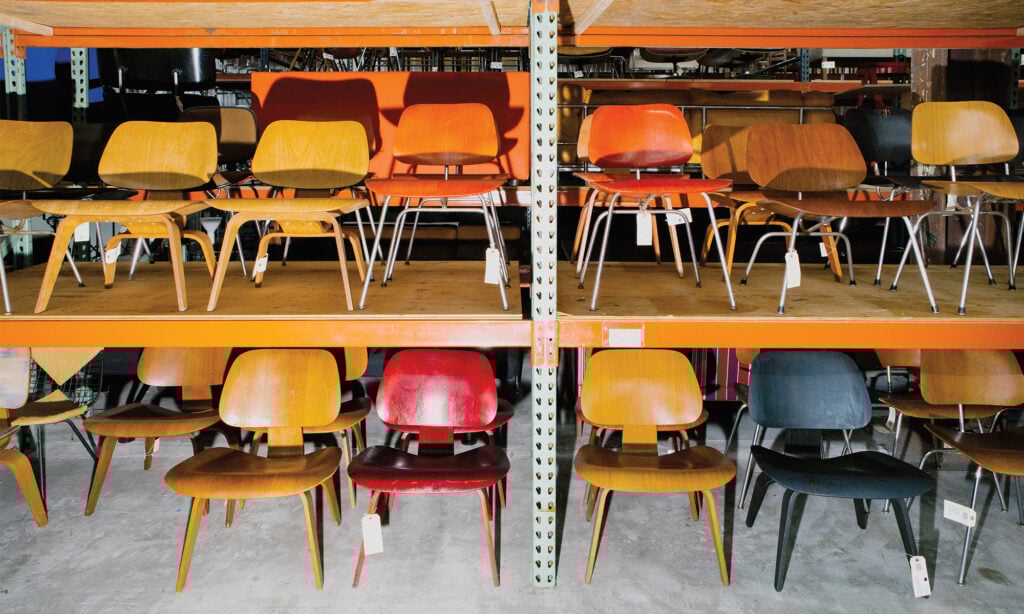
Can Rarify Revolutionize the Design Industry?
The e-commerce platform rooted in history, innovation, and sustainability is reframing the future of the furniture market.
Products
Discover the Winners of the METROPOLISLikes 2025 Awards
This year’s product releases at NeoCon and Design Days signal a transformation in interior design.
New Releases
Products
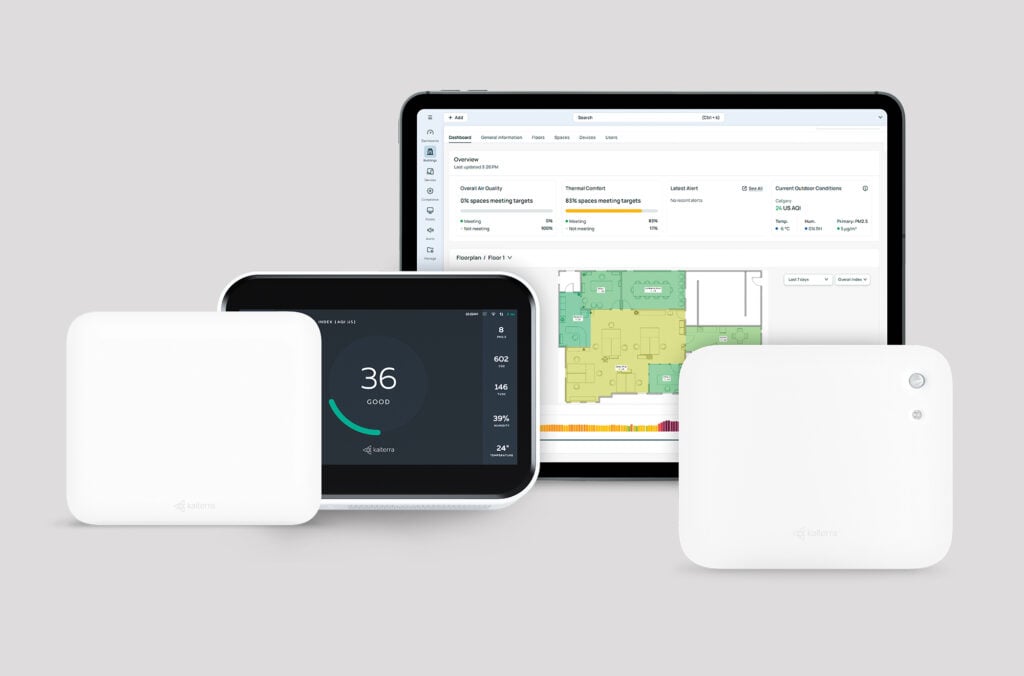
How Kaiterra’s Sensedge Go Is Shaping the Future of Healthy Buildings
This new generation of data-driven monitors delivers effortless installation, adaptive AI, and insightful sustainability parameters—all in one wireless device.
Products
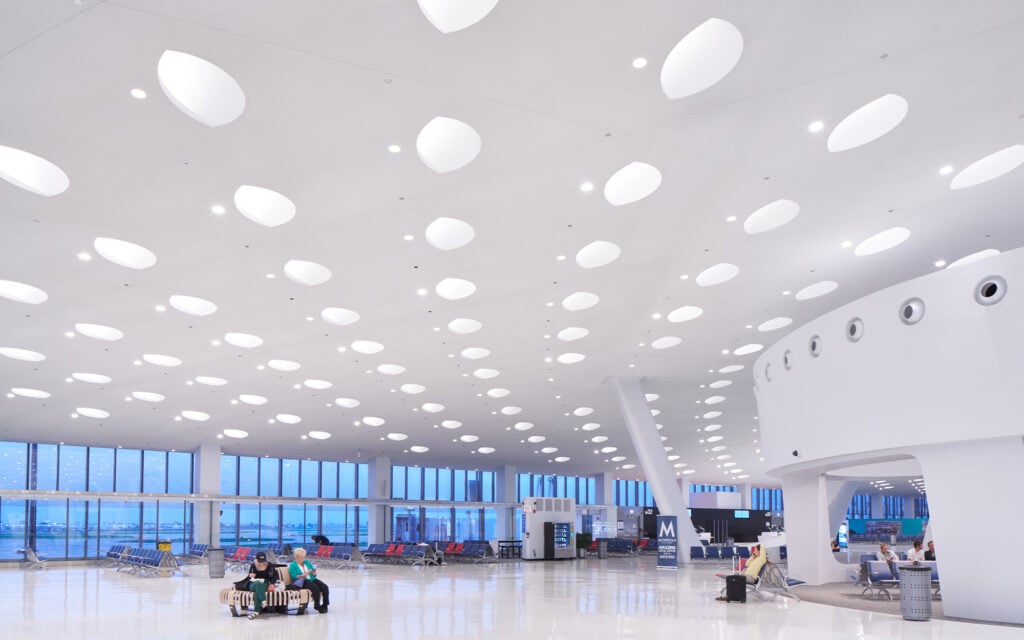
5 Solutions for Smarter Building
Explore products that improve durability, energy efficiency, and design for today’s architecture projects.

Products
7 Sustainable Products Redefining Outdoor Comfort
Discover how innovative materials and thoughtful design are elevating outdoor spaces for people, planet, and place.
Products
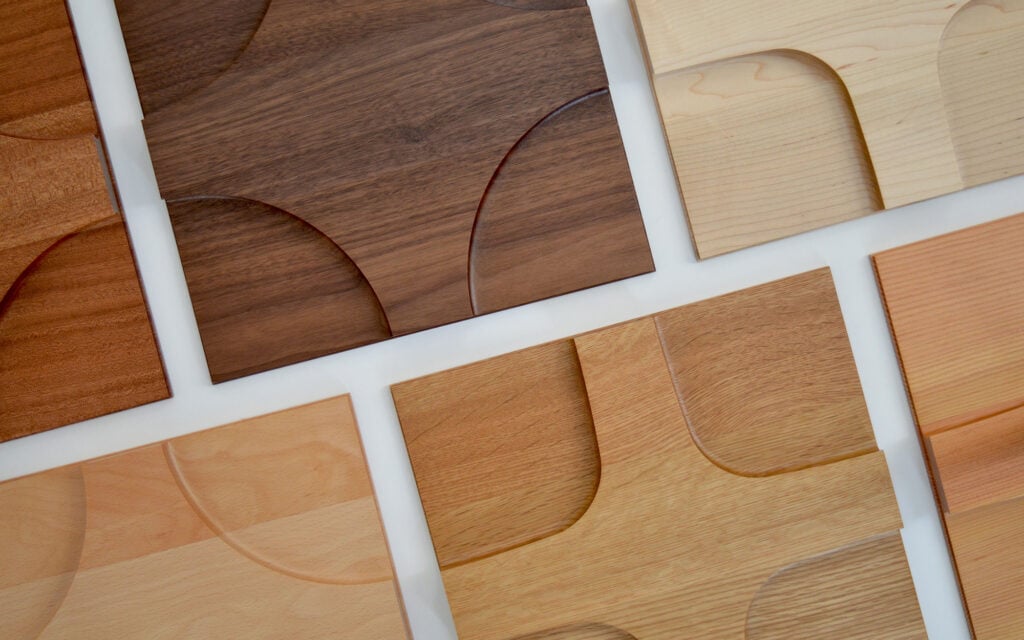
6 Products that Raise the Standard of Wood’s Performance
Discover how designers and manufacturers are enhancing wood’s durability and performance while maintaining its charm.
Metal

Products
4 Metals Transforming Building Aesthetics
Metals that are expanding design & performance with less carbon, better energy efficiency, and bold designs.
Products
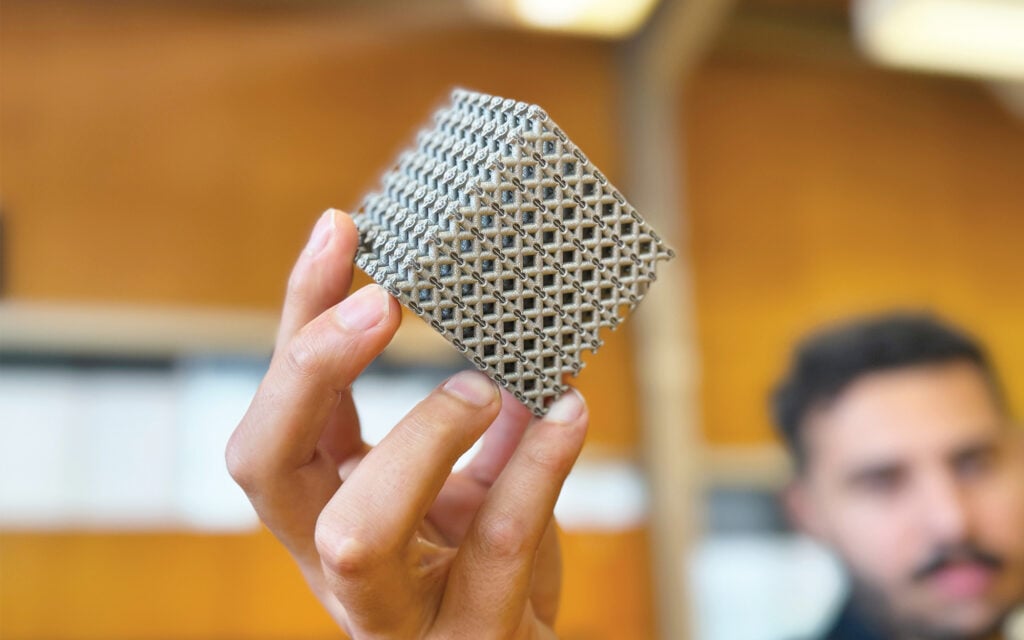
Lighter, Smarter, Stronger Metals
From carbon-cutting aluminum to ultralight metal foams, emerging innovations are unlocking metals’ potential for high performance design.
Projects
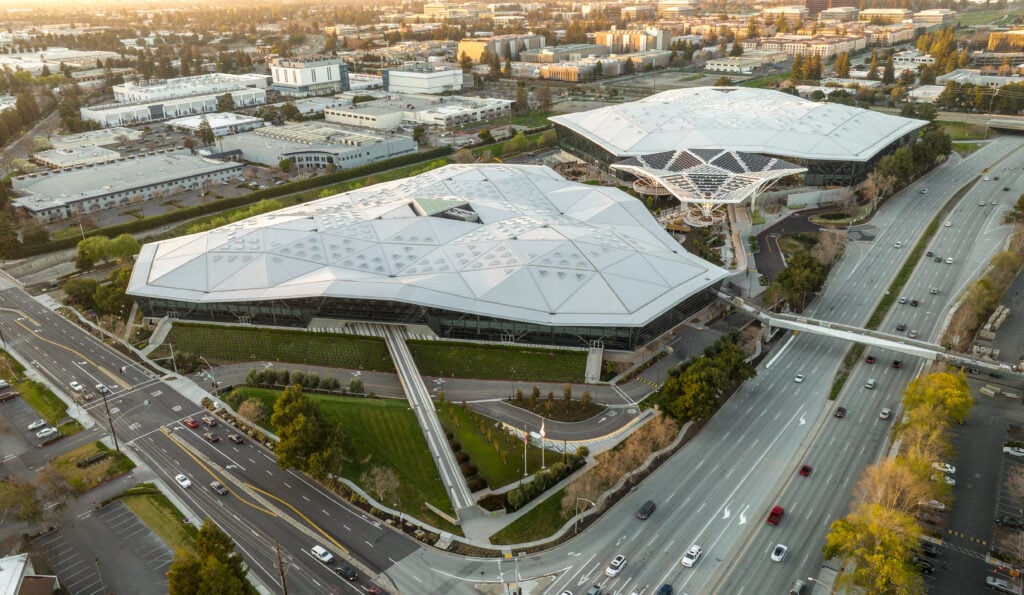
Under a Steel Canopy, NVIDIA Unveils a New Kind of Tech Campus
Designed by Gensler, the bold triangular campus uses geometry and light to support innovation at scale.
Workplace
Products
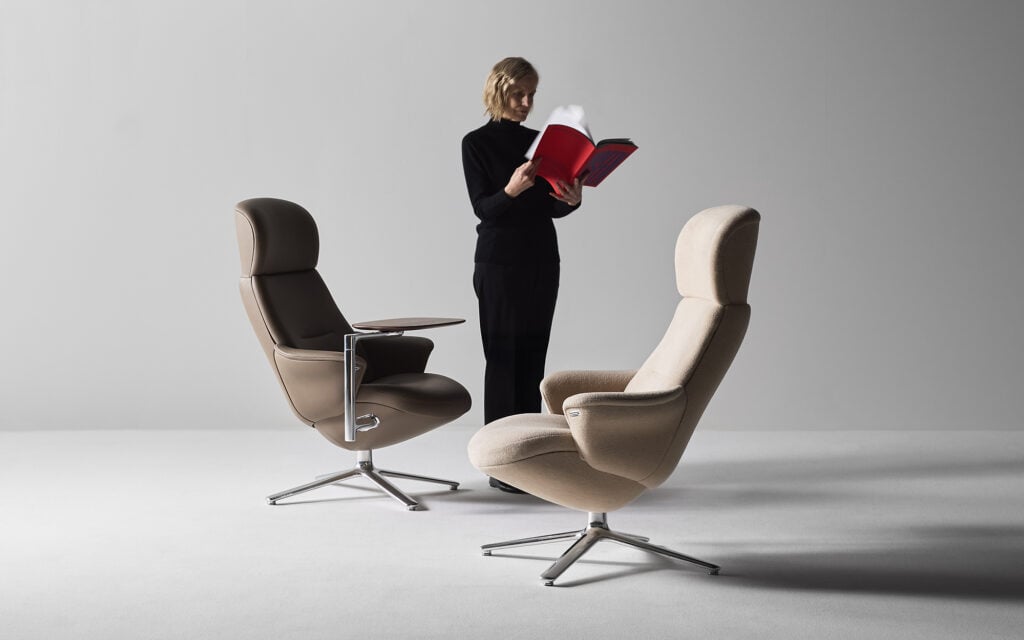
New Furniture and Flooring for the Evolving Office
Inspired by nature and design icons, new workplace flooring and seating bring ergonomic, versatile, and sustainable updates that connect people and place.
Products
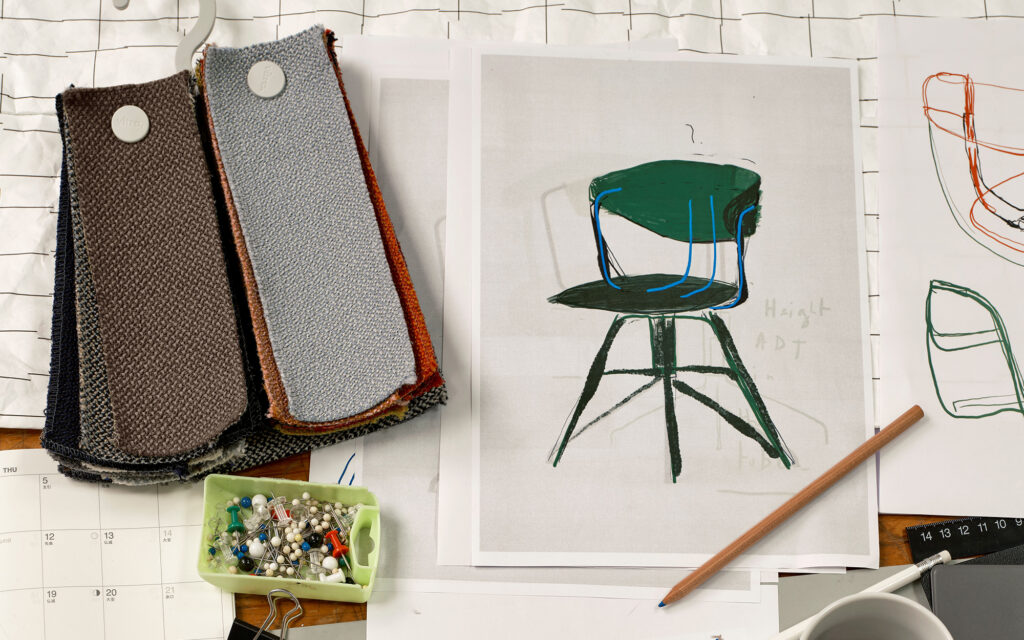
Vitra Launches Two New Collections by the Bouroullec Brothers
The Mynt chair and Courier desk, although designed independently, speak to both brothers’ minimalist approach to functional workplaces.

Projects
3 Workplaces with Light Carbon Footprints
These office designs demonstrate that avoiding carbon emissions goes hand in hand with cost savings, healthier spaces, and beautiful interiors.
Projects
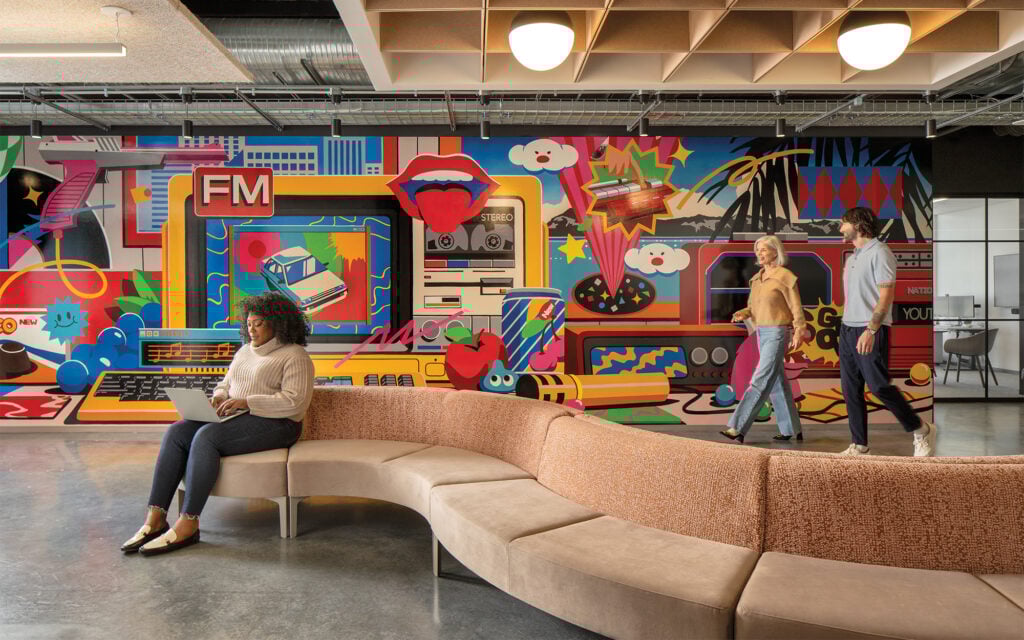
The Intuit Atlanta Office Pulses with the City’s Energy
Studio O+A, TVS, & Intuit collaborate to create an inspiring, community-driven atmosphere with a network of “neighborhoods”.
Textiles and Acoustics
Products
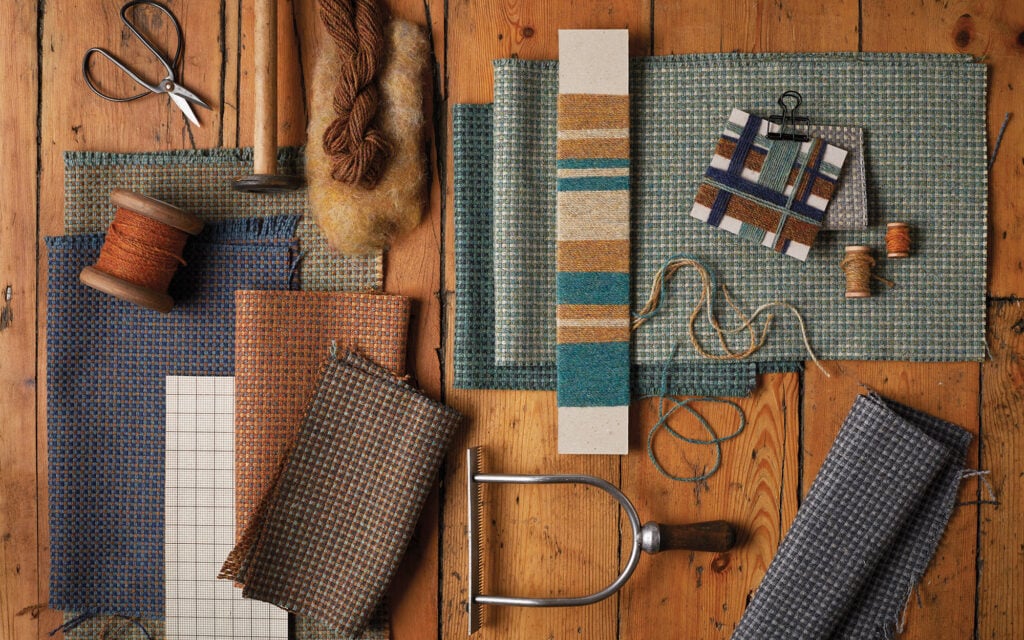
Should Wool Play a Bigger Role in the Built Environment?
As mountains of waste wool pile up around the world, its untapped potential is coming into sharper focus.
Products
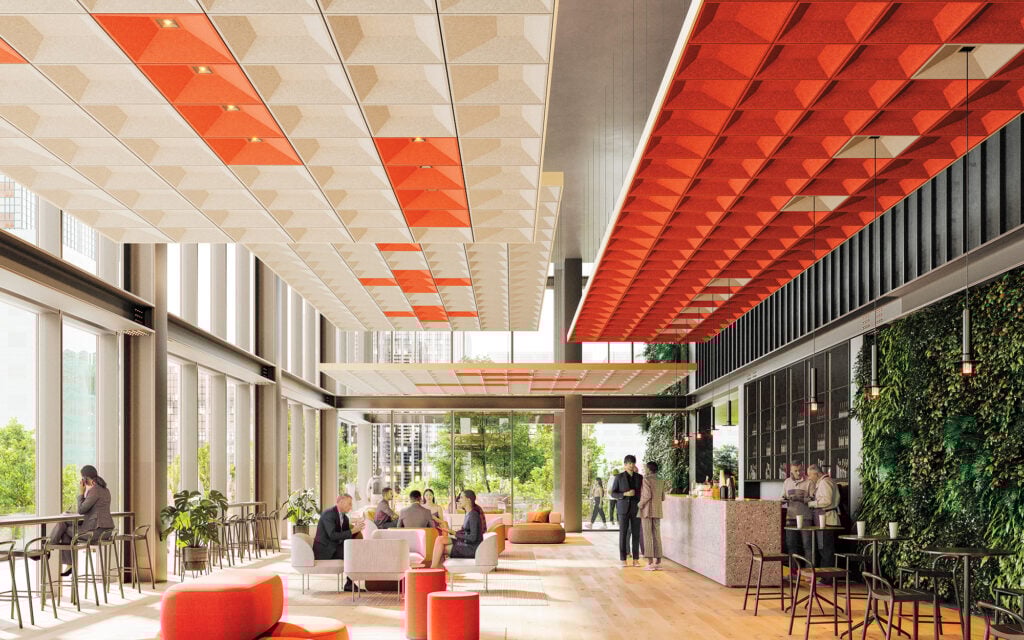
8 Sleek Ways to Soften Sound
Discover how sound can shape your space with innovative design elements that enhance commercial interiors.
Products
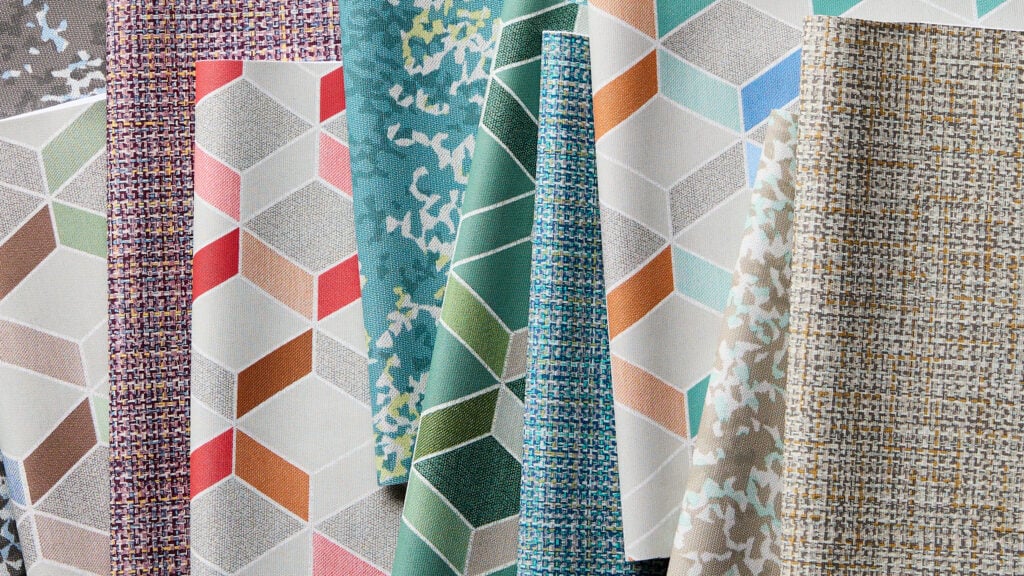
8 New Textiles Weave Comfort with Care
With calming tones and sustainable materials, the latest textiles blend beauty, responsibility, and well-being.
Circularity
Products
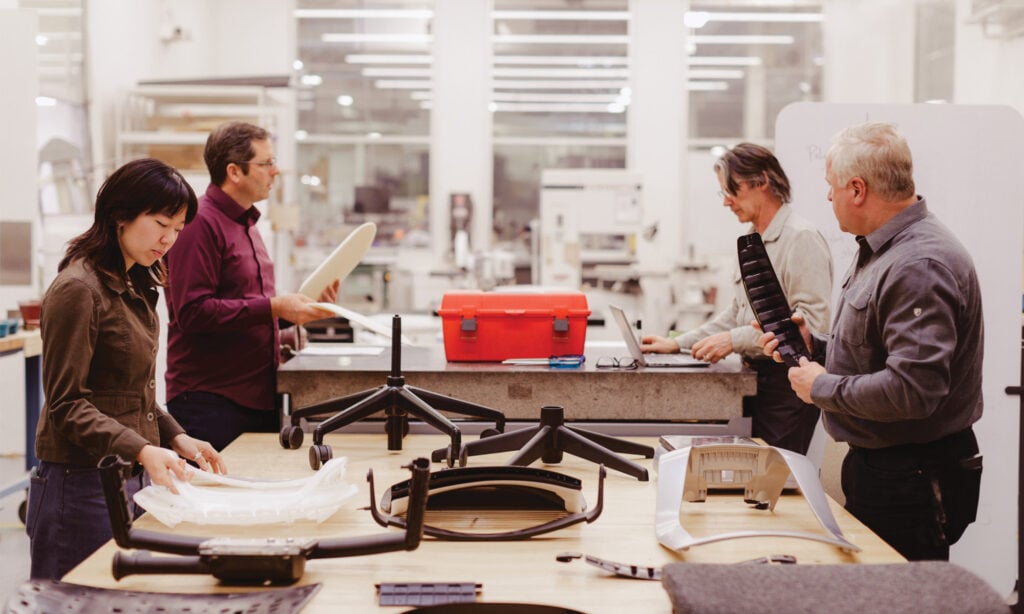
3 Companies Giving Office Furniture a New Life
Through thoughtful material usage, supply-chain logistics, and incentive programs, these leading manufacturers tackle their waste, giving used pieces a sustainable new chapter.
Products
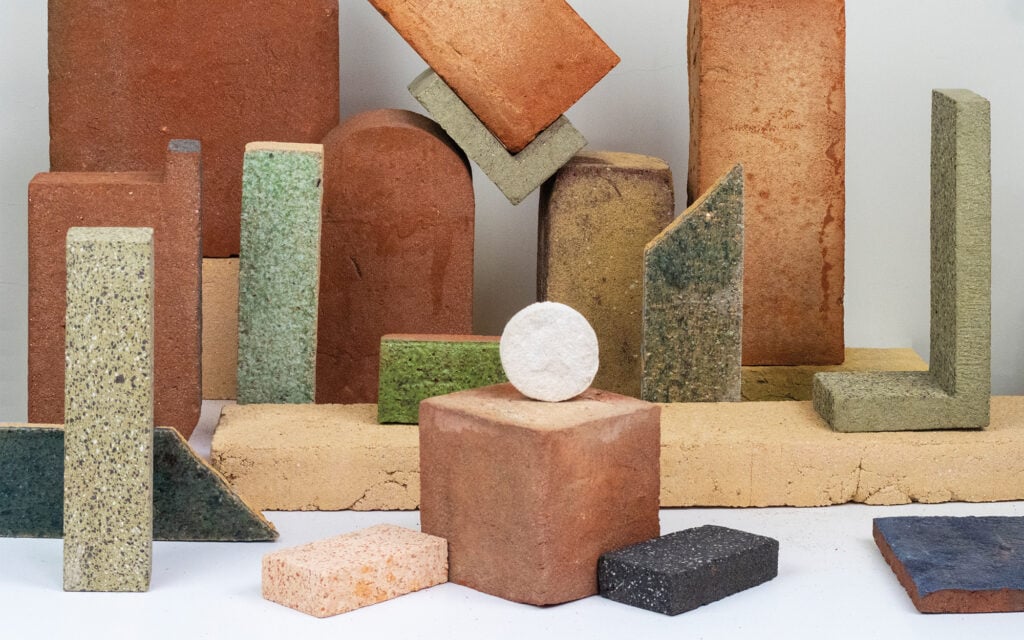
3 European Brands Redefining Waste Materials Reuse
FRONT Materials, a:gain, and Aectual are all transforming waste—from coffee cups to demolition debris—into beautiful, usable building materials.
Would you like to comment on this article? Send your thoughts to: [email protected]
Latest

Viewpoints
Bas Smets on Designing Augmented Landscapes
The landscape architect discusses his design for Notre-Dame, this year’s Venice Architecture Biennial, and what he means by biospheric urbanism.

Projects
Kazakhstan’s Almaty Museum Celebrates Central Asian Art
Designed by London-based Chapman Taylor, the project is the city’s first private museum.