


August 22, 2025
Rooted in Place: Exploring North American Design
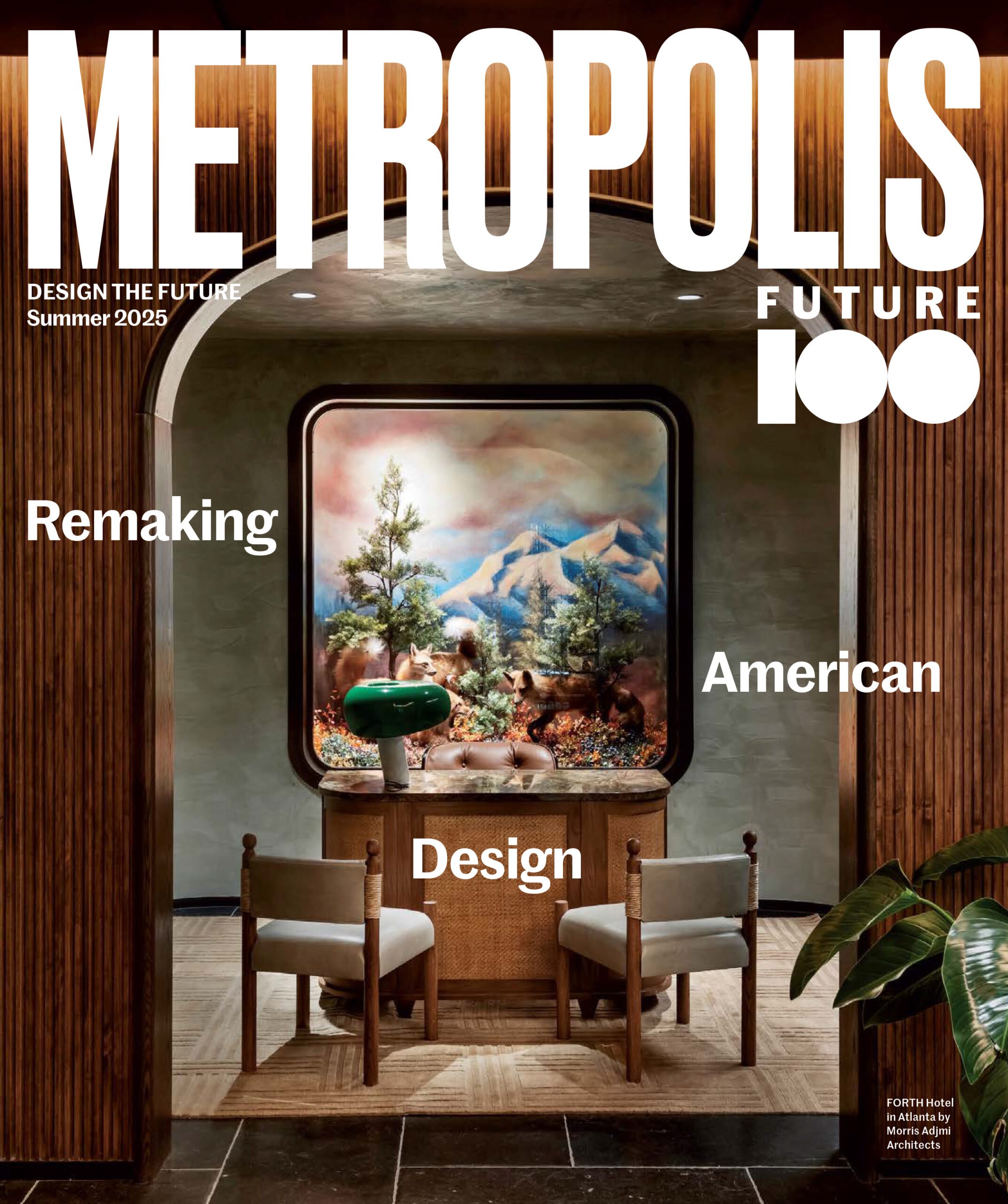
In Southern California, three companies—RAD Furniture, Emblem, and Cerno—are part of a quiet revolution in American design. They work with environmentally benign or even beneficial materials; have oversight of every part of their supply chain and every step of their manufacturing process; cherish their artisans and employees; and keep vital crafts and skills alive.
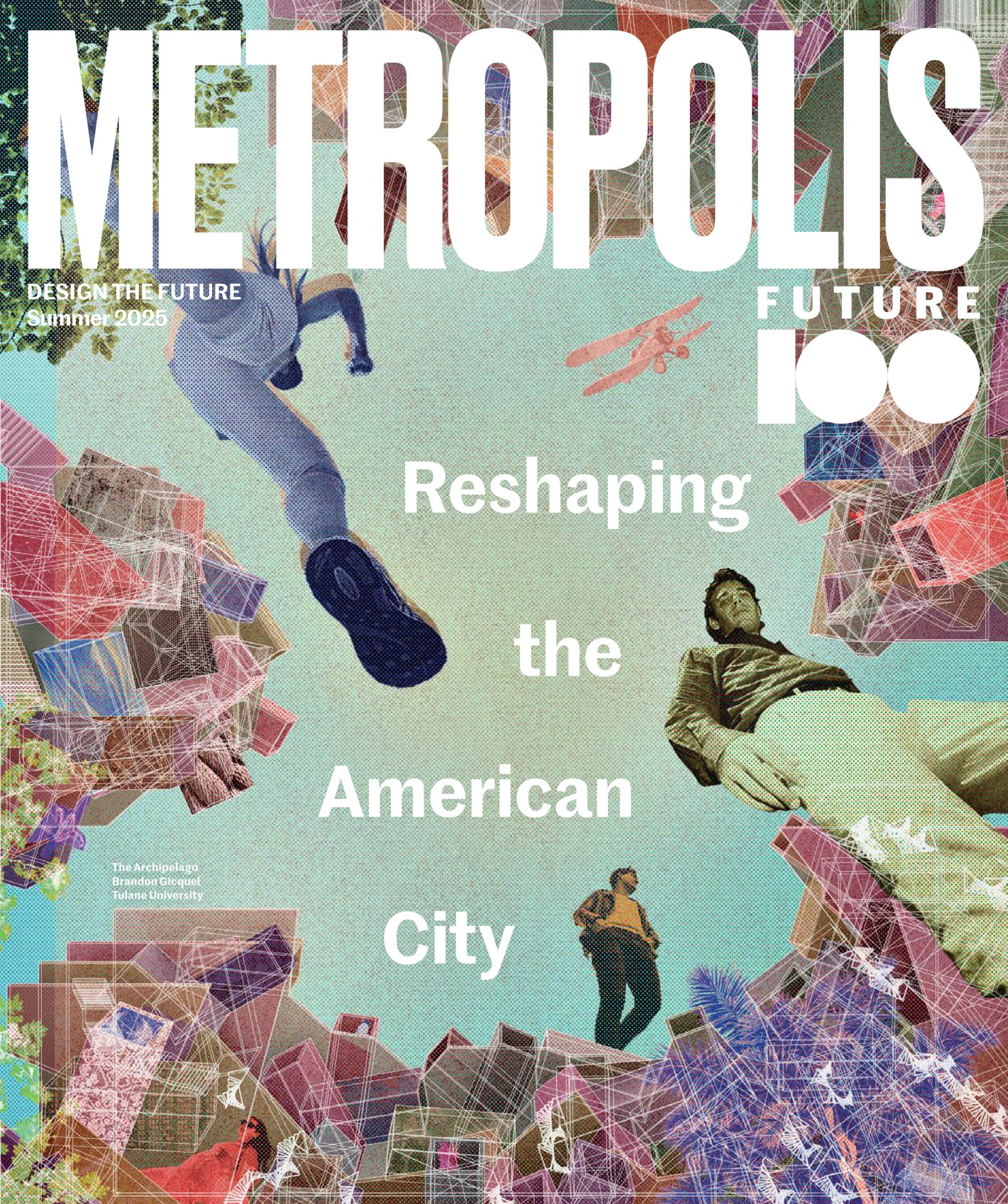
In Atlanta, the Beltline has ushered in a vibrant debate about how citizens can equitably access and benefit from new developments in the city. On the one hand, developers like Jim Irwin at New City Properties are adding sustainable, beautiful buildings and public spaces to reinvigorate parts of the city that have been opened up thanks to the Beltline. On the other hand, Ryan Gravel, the original mastermind behind the Beltline; policymakers; and other urban experts are hotly advocating for competing plans to add more public transit to the city. Regardless of who prevails, it looks like Atlantans will win.
At architecture and design schools across North America, our 2025 Future100 honorees represent the very best talent—homegrown and international—emerging into the built environment professions this year. From unusual fabrication techniques to biomimicry and biophilia, the ideas they have explored in their classrooms have the potential to transform architecture and design. I can’t wait to see this generation take the helm of our industry, here and around the world.
Read every story from our 2025 Summer Issue:
Features
Profiles
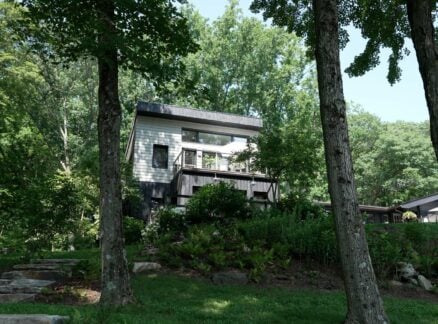
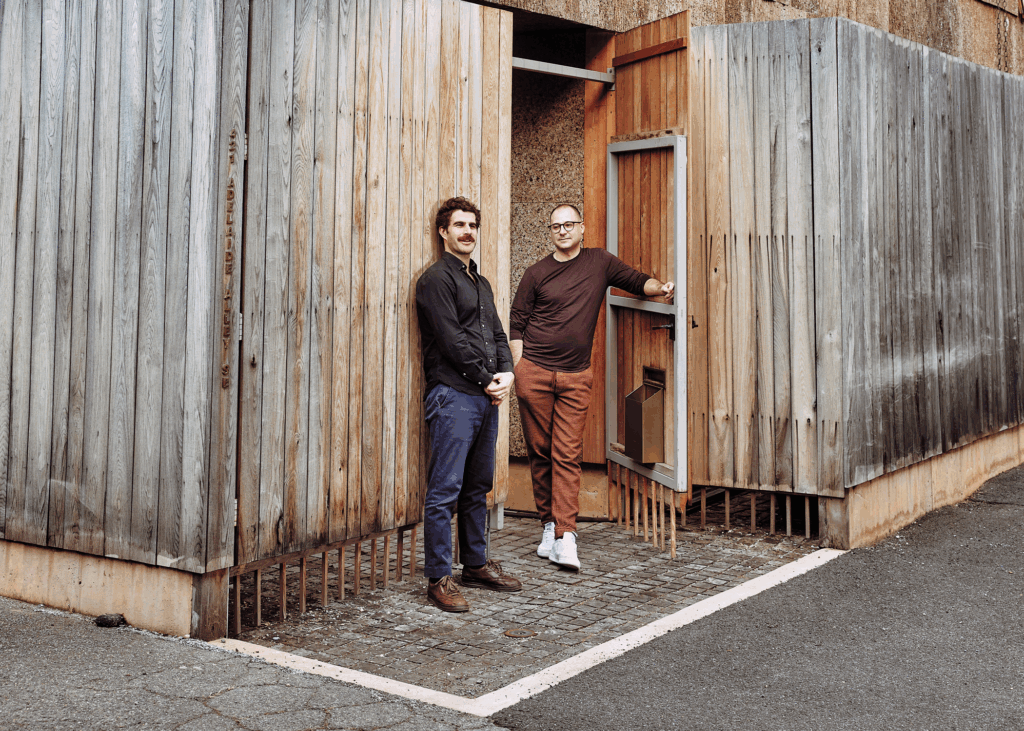
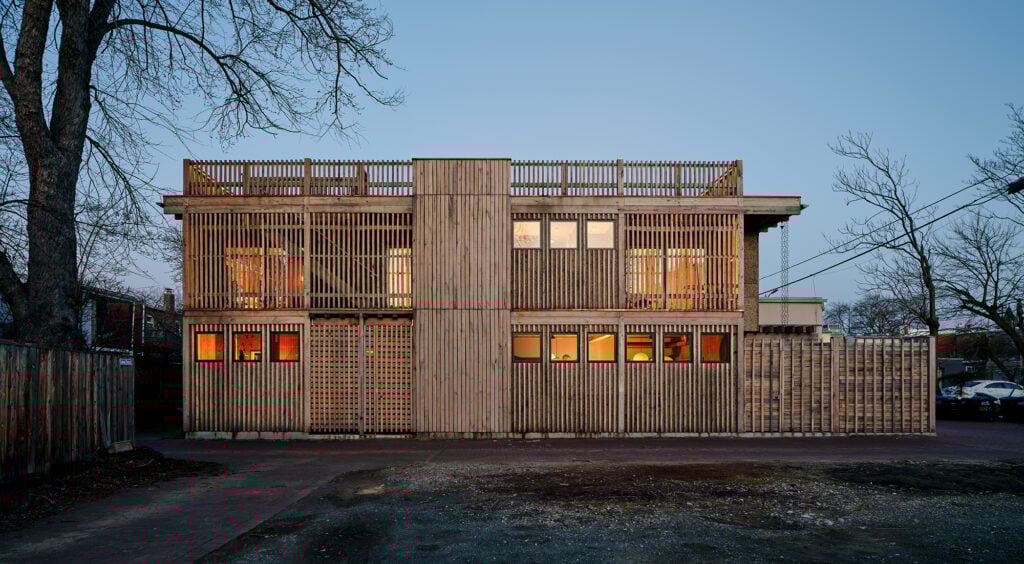
BLDUS Brings a ‘Farm-to-Shelter’ Approach to American Design
The Washington D.C.–based firm BLDUS is imagining a new American vernacular through natural materials and thoughtful placemaking.
Projects
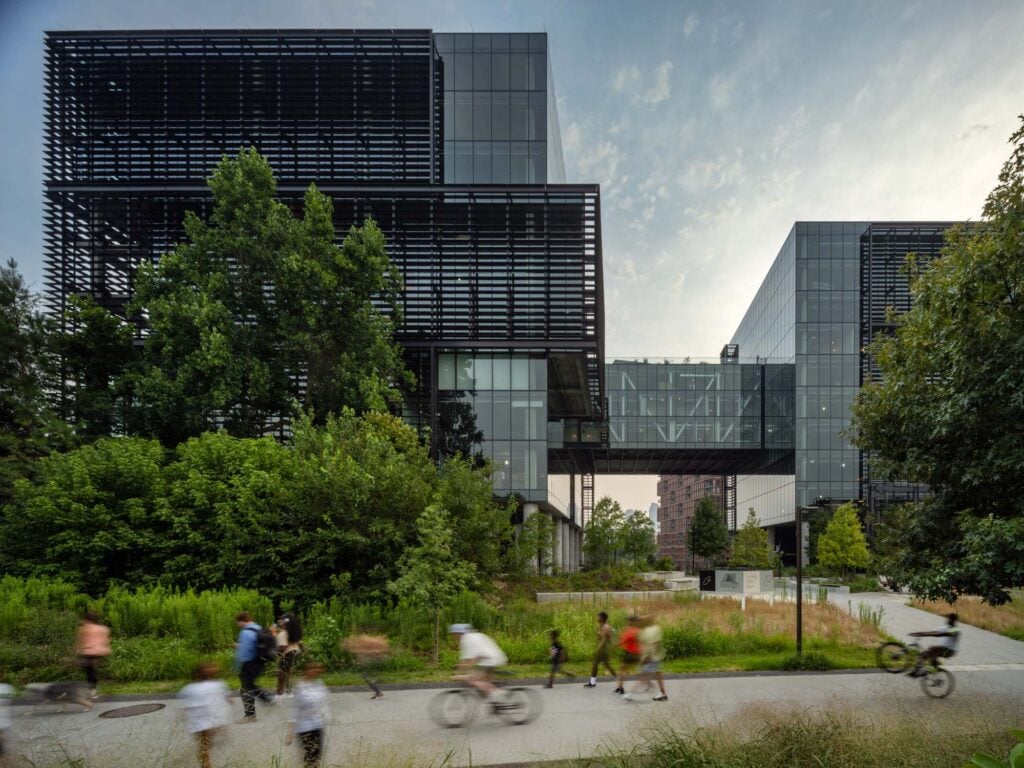
Behind the Latest Megaproject to Rise Along Atlanta’s Beltline
Transforming an industrial wasteland into a vibrant mixed-use development, Fourth Ward is an ambitious addition to the city’s rapidly developing network of trails.
Profiles
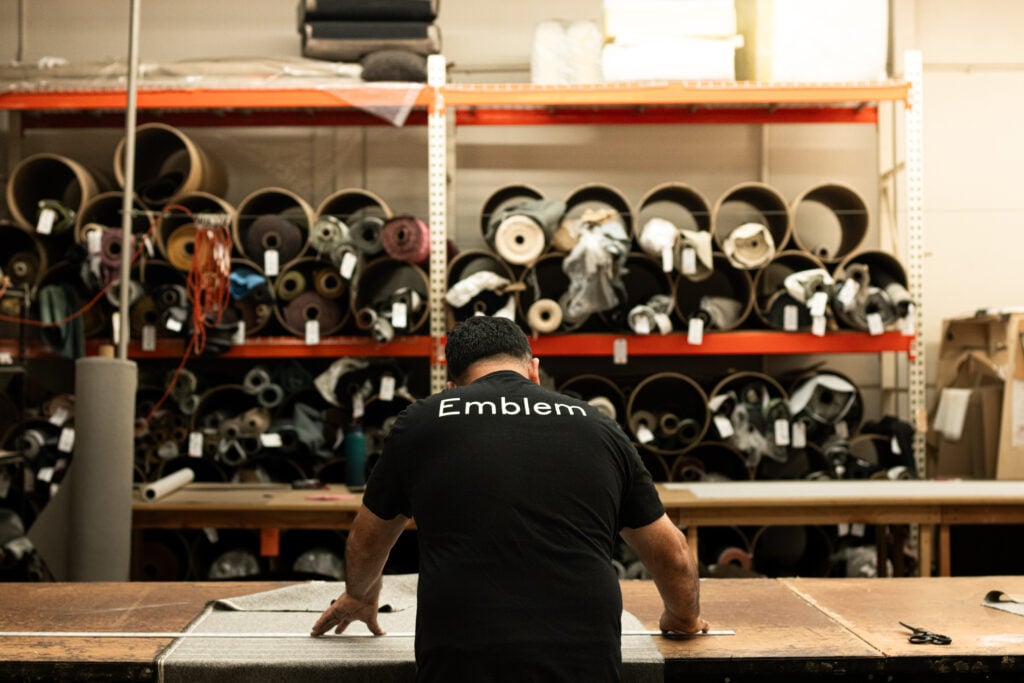
Inside Three SoCal Design Workshops Where Craft and Sustainability Meet
With a vertically integrated approach, RAD furniture, Cerno, and Emblem are making design more durable, adaptable, and resource conscious.
Projects
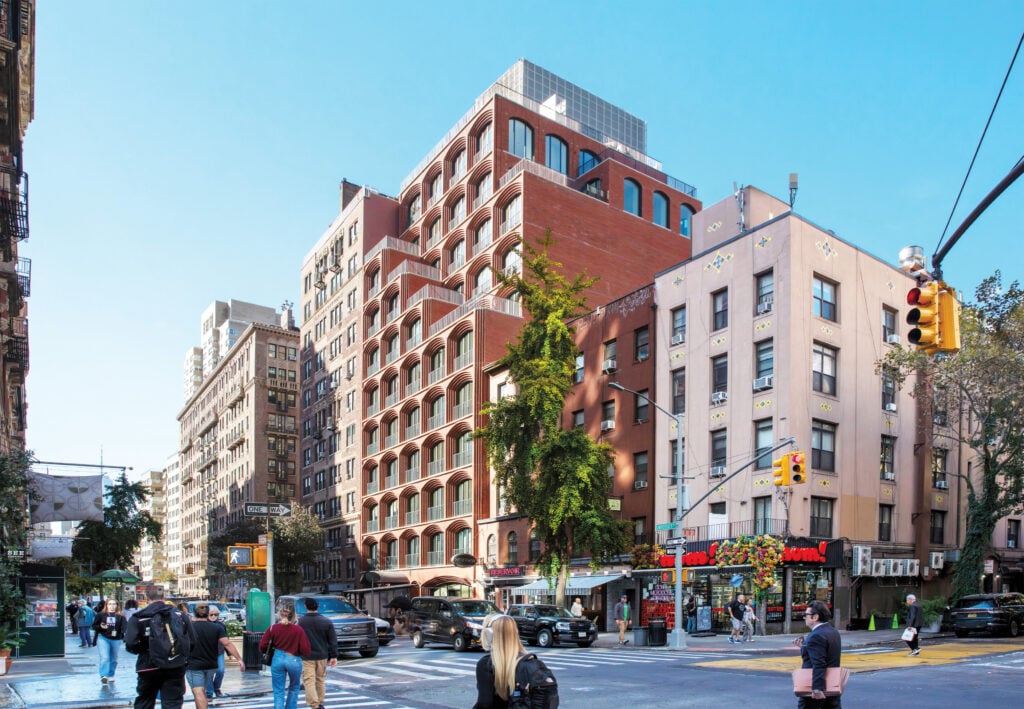
KPF Reimagines the Arch in a Quietly Bold New York Facade
The repetition of deceptively simple window bays on a Greenwich Village building conceals the deep attention to innovation, craft, and context.
Future100
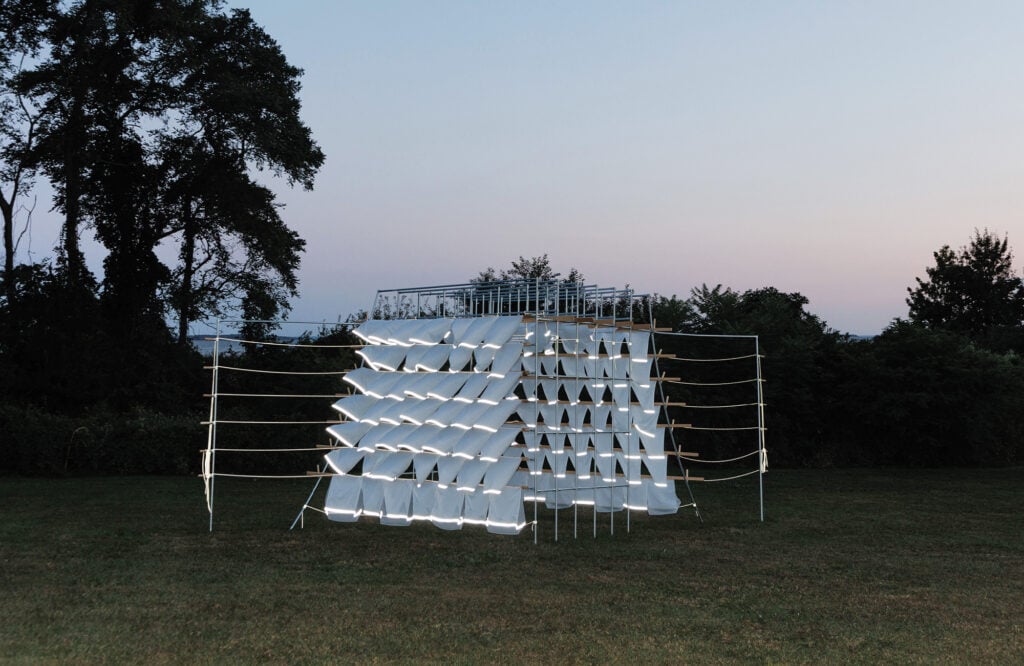
Profiles
Alexandra Croft’s Seapunk Design Rethinks Waste and Water
Blurring the lines between land and sea, the RISD student explores waste systems through a sensorial, nonlinear, & ecologically attuned design practice.
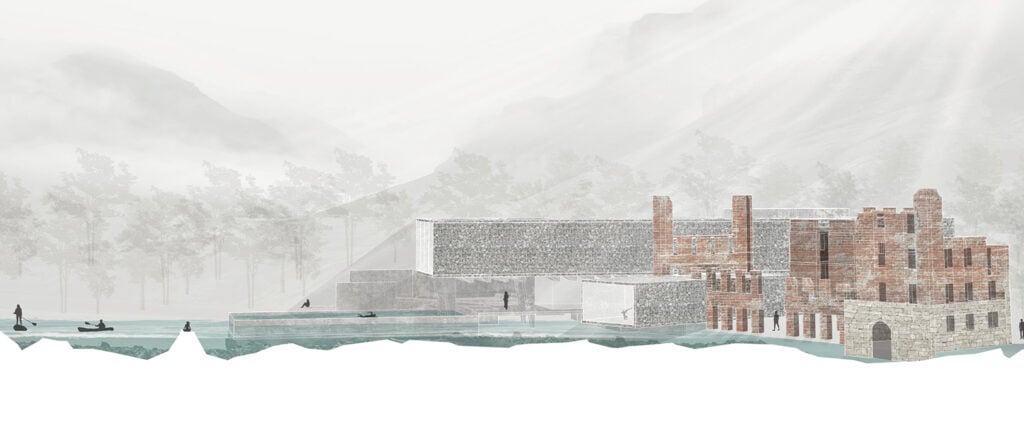
Profiles
These Architecture Students Explore the Healing Power of Water
Design projects centered on water promote wellness, celebrate infrastructure, and reconnect communities with their environment.
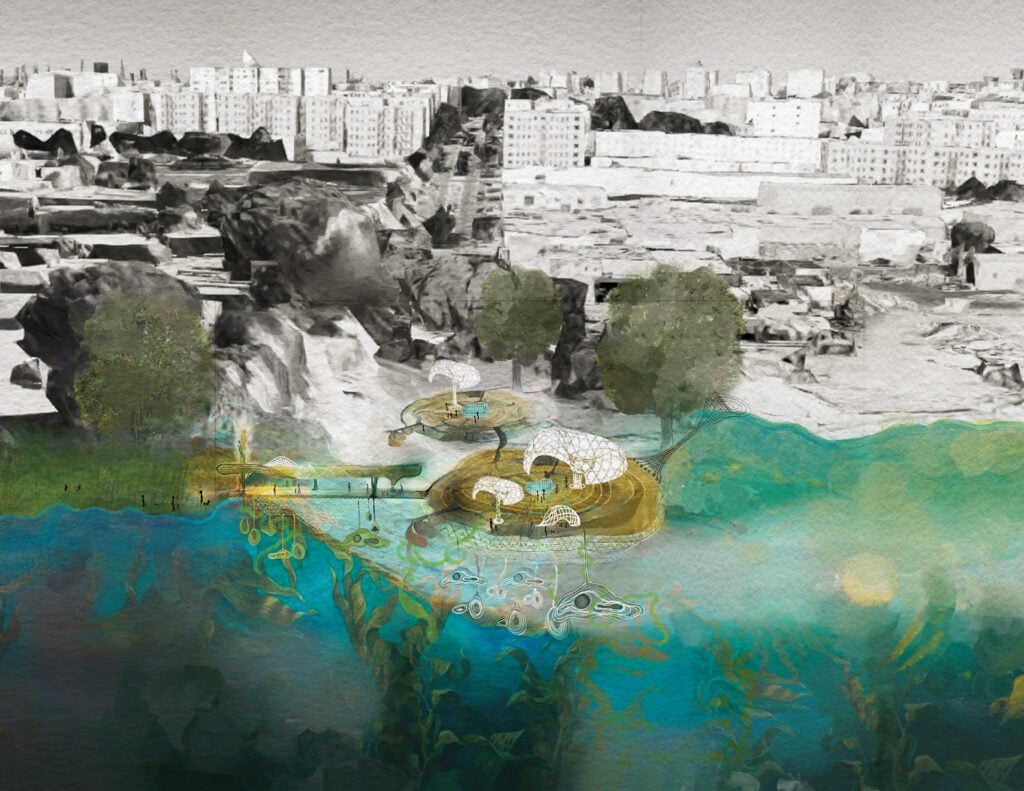
Profiles
Zoha Tasneem Centers Empathy and Ecology
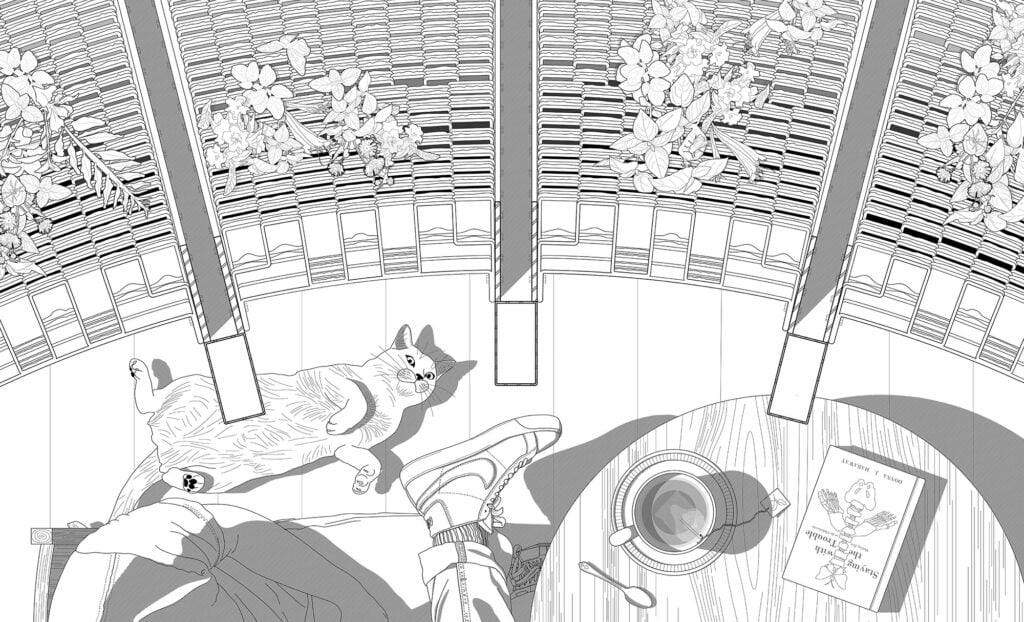
The Parsons MFA interior design graduate has created an “amphibian interior” that responds to rising sea levels and their impacts on coastal communities.
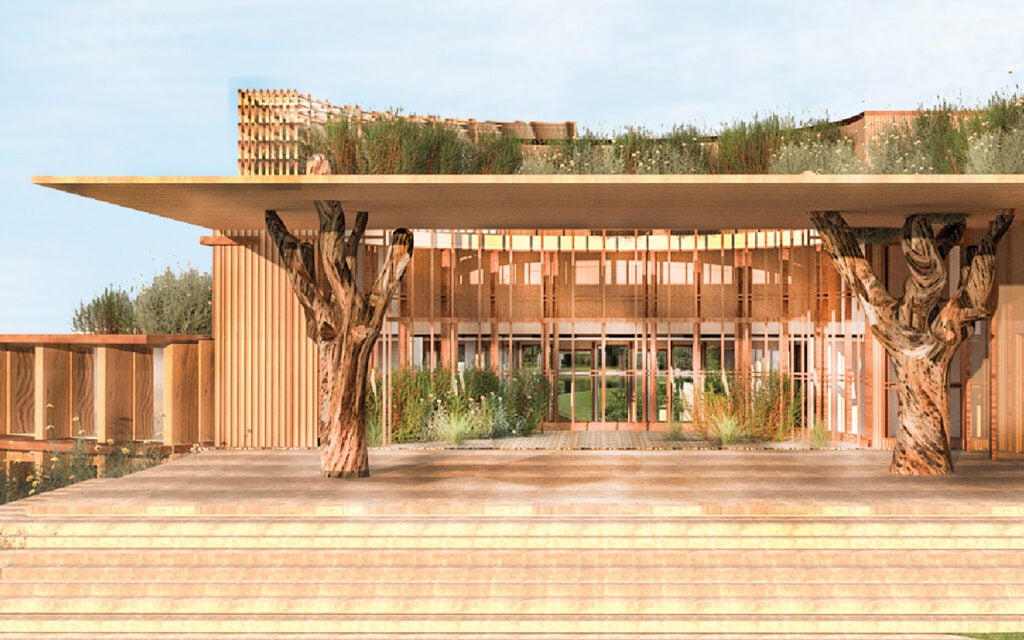
Profiles
The Next Generation Is Designing With Nature in Mind
Three METROPOLIS Future100 creators are looking to the world around them for inspiration.
Profiles
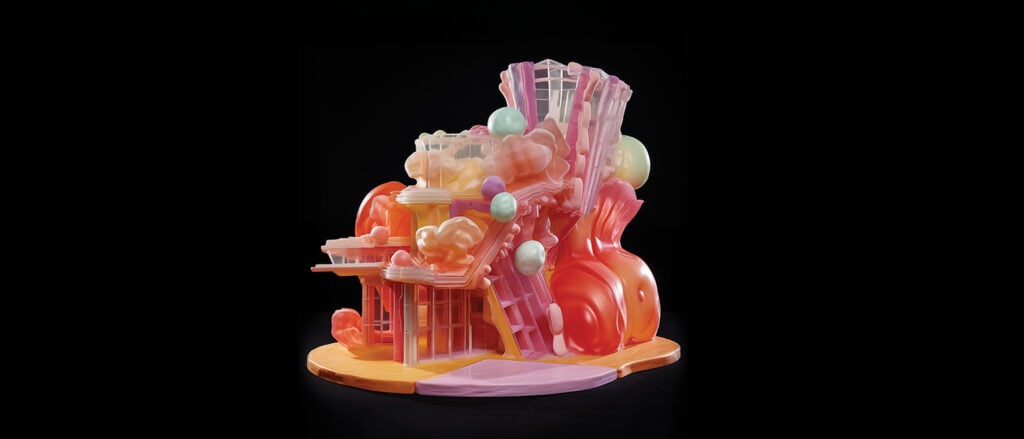
Martin Rodriguez Jr. Brings Queer Joy to Taubman College
The University of Michigan M.Arch student’s digital work imagines the future through whimsical, candy-coated worlds.
Profiles
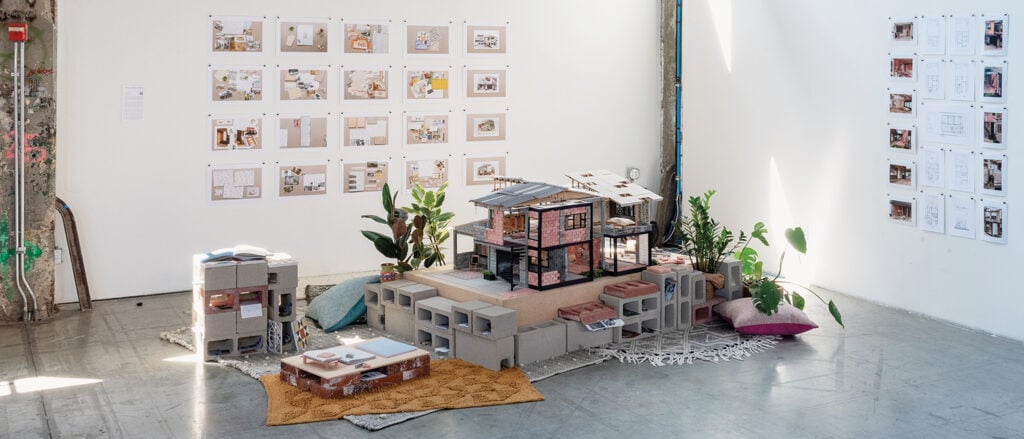
For Kelly Dix Van, Everyday Architecture Matters
The SCI-Arc architecture graduate explores the complexities of self-building practices and material reuse in Cartagena, Colombia.
Profiles
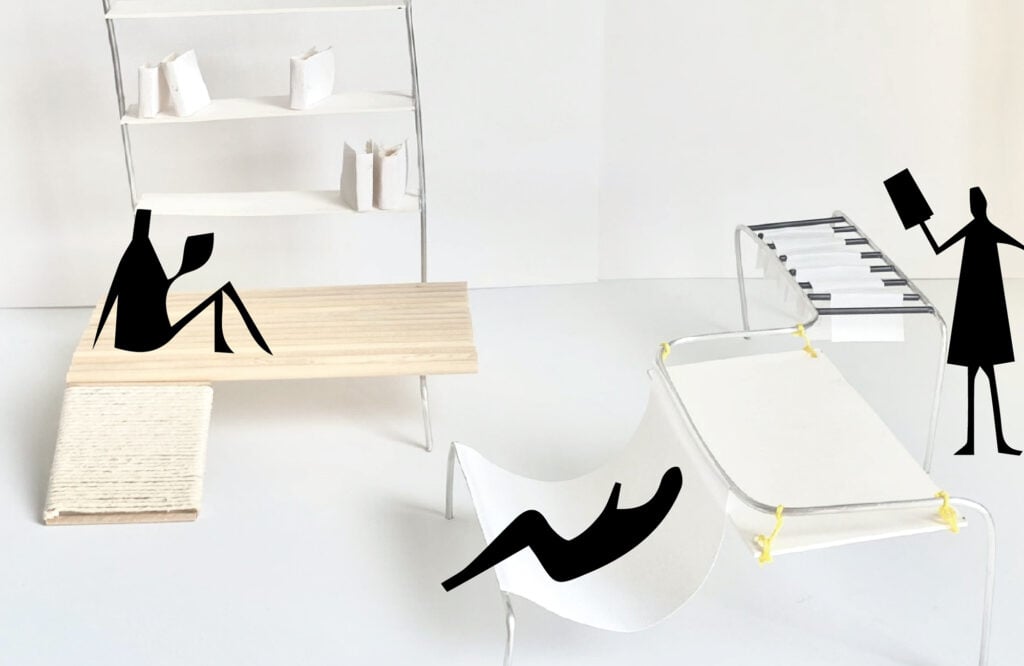
Future100: Lené Fourie Creates Adaptable Interiors
The University of Houston undergraduate student is inspired by modular design that empowers users to shape their own environments.
Viewpoints
Next-Generation Designers Redefine Materials Beyond Convention
Three Future100 students are reshaping how materials interact with nature, climate, and history through innovative fabrication techniques.
Viewpoints
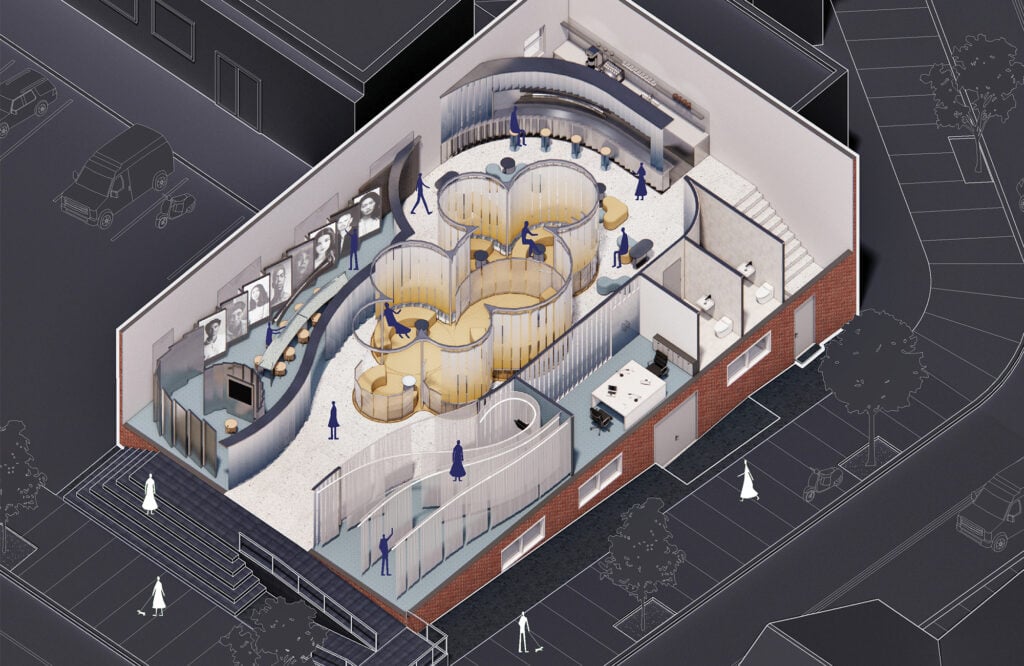
These Students are Reclaiming Community Through Experimental Design
Future100 award–winning student projects reimagine what nurtures society—and what the traditional housing market neglects.
More from the Summer Issue

Viewpoints
Sustainability News Updates for Q2 2025
Renewable energy growth, carbon benchmarking, and circular design strategies shaping the built environment.

Profiles
WAI Architecture Think Tank Approaches Practice as Pedagogy
Nathalie Frankowski and Cruz García use their practice to help dismantle oppressive systems, forge resistance spaces, and reimagine collective futures.
Products
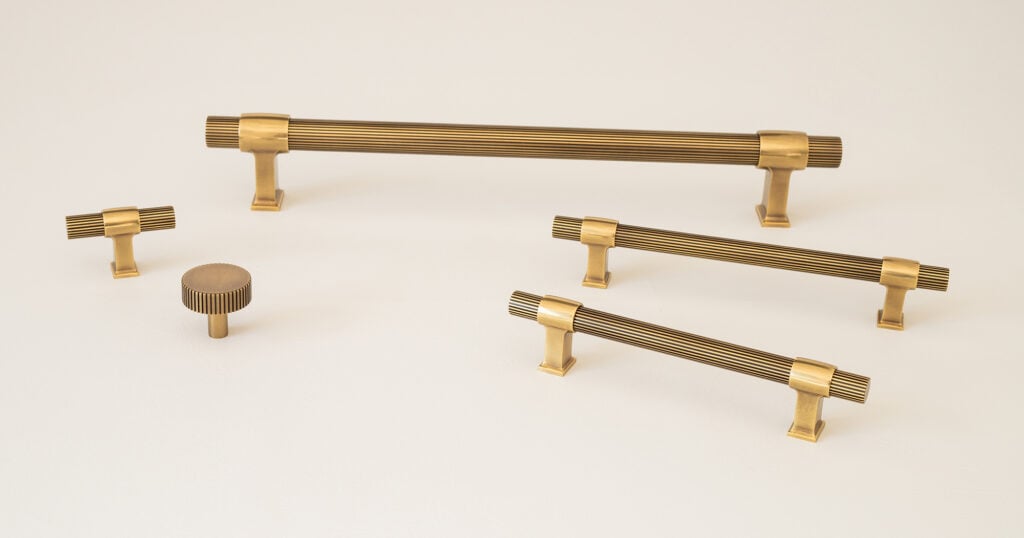
Functional Beauty: Hardware That Does More Than Look Good
Discover new standout pieces that marry form and function, offering both visual appeal and everyday practicality.
Products
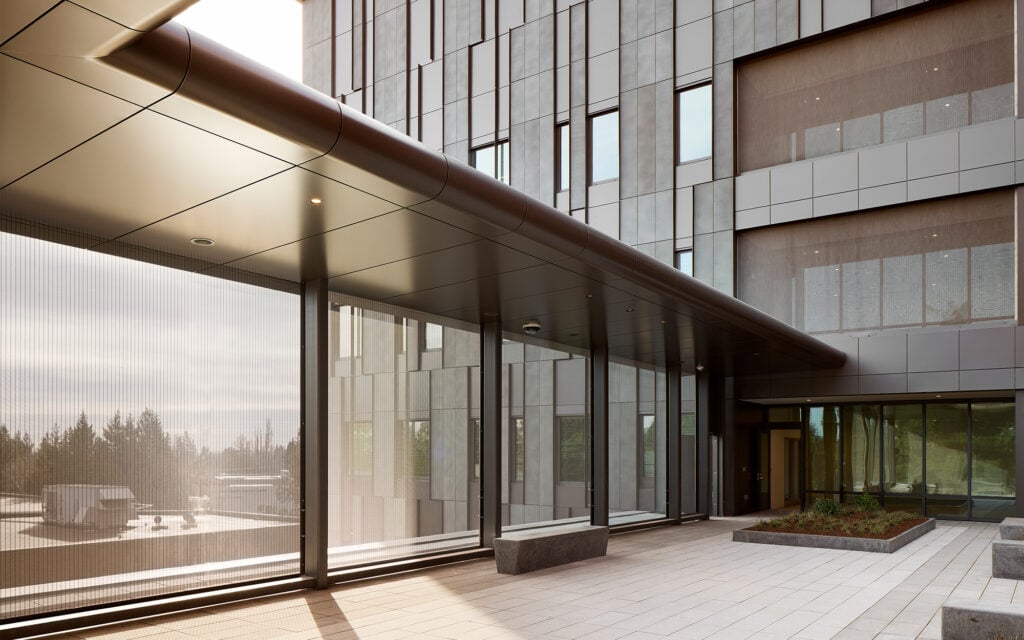
Hardware That Humanizes Behavioral Health Spaces
Discover three behavioral health design solutions created to prevent self-harm and support holistic healing.
Projects
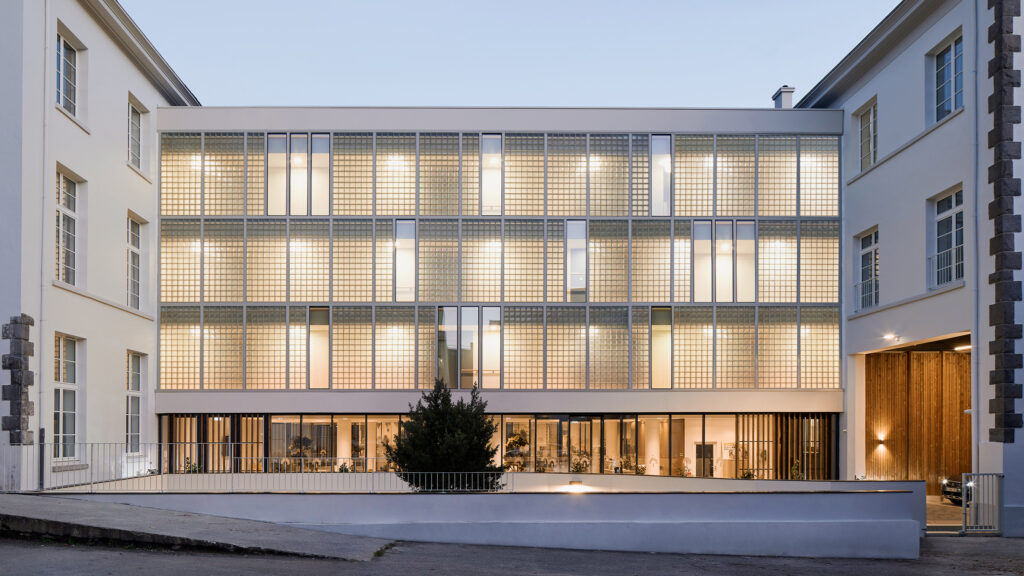
Chatillon Architectes Redefines Urban Aging with Dignity and Design
The firm transforms a historic French post office into a vibrant, modern senior community.
Projects
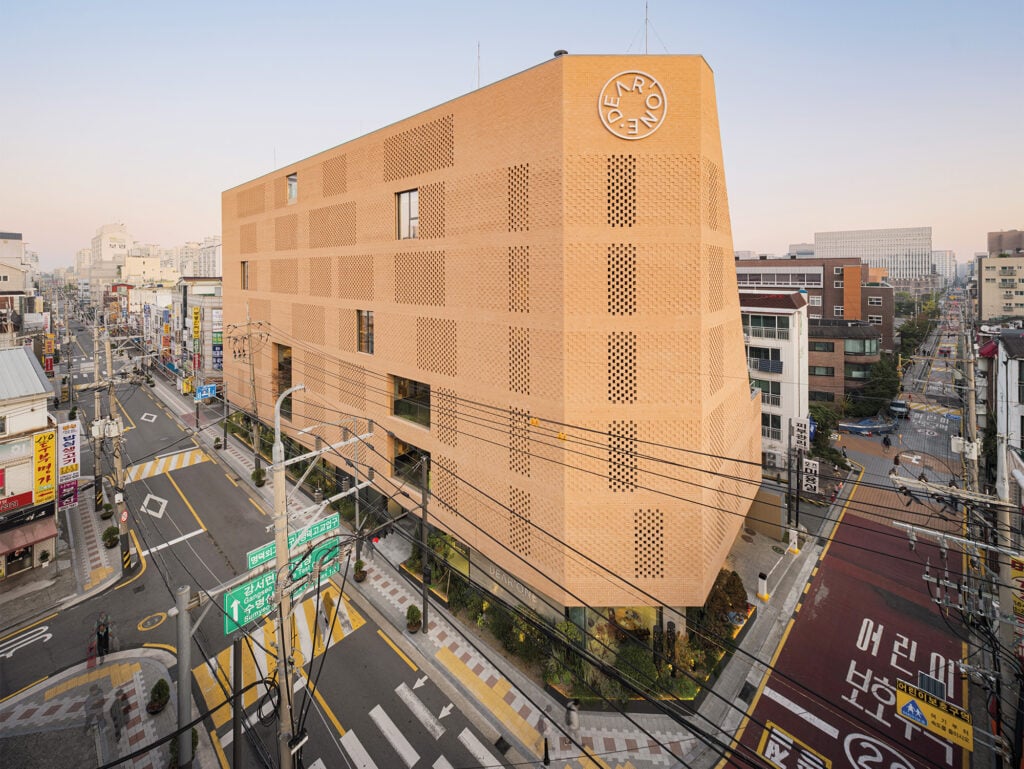
Yeonhan Architects Creates a Tranquil Postpartum Care Center in Seoul
The architects envisioned the center as a “vertical village” that now provides a welcoming, restful environment to mothers and newborns.
Products
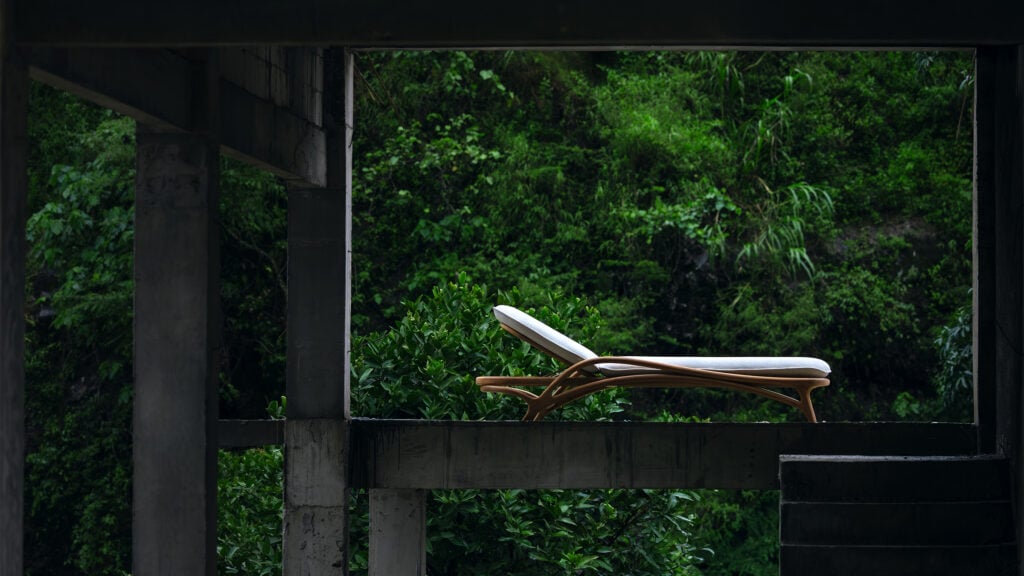
8 Standout Products from Milan Design Week 2025
From hundreds of showcases at Salone del Mobile and Milan, METROPOLIS highlights eight must-see introductions.

Products
Sustainable Glass Trends and Technologies for Smarter Design
Discover the latest information and offerings in this category to help you make beautiful, sustainable choices on your next project.
Projects
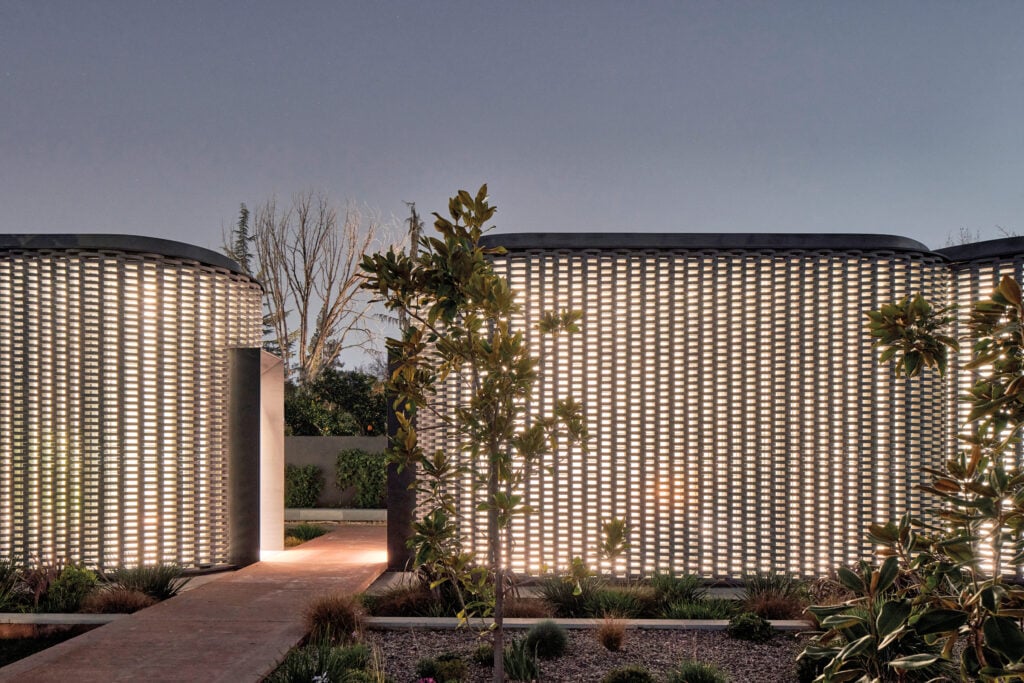
In Chile, Monolithic Garden Follies Conceal a Group of Wellness Pavilions
The three interconnected buildings feature a unique glass interior and custom brick skin.
Products
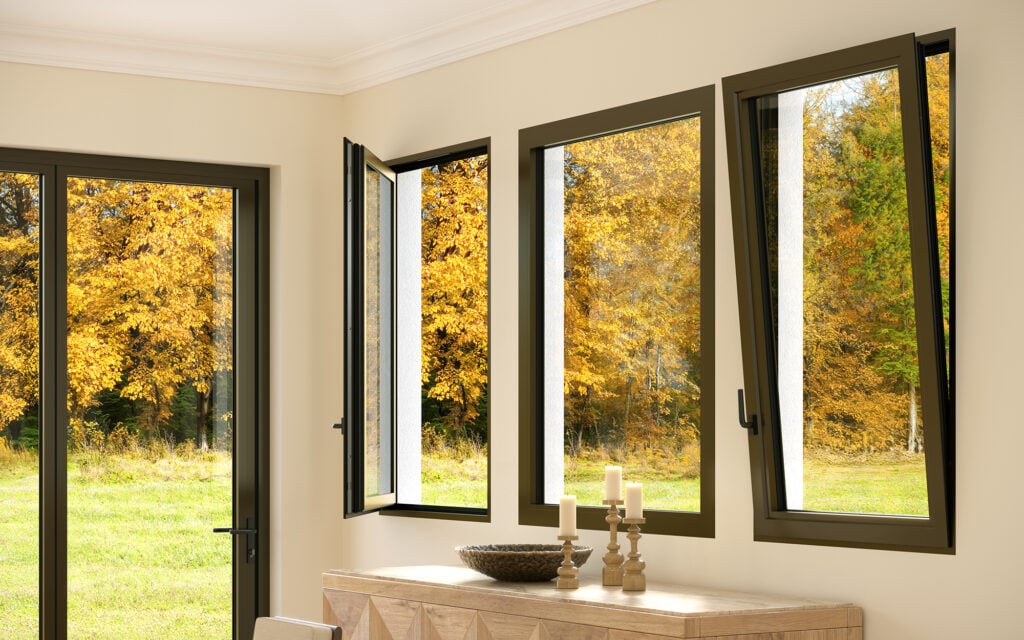
Windows and Doors for Better Views—and Performance
The latest window and door systems balance sleek design with sustainability and high performance.
Products
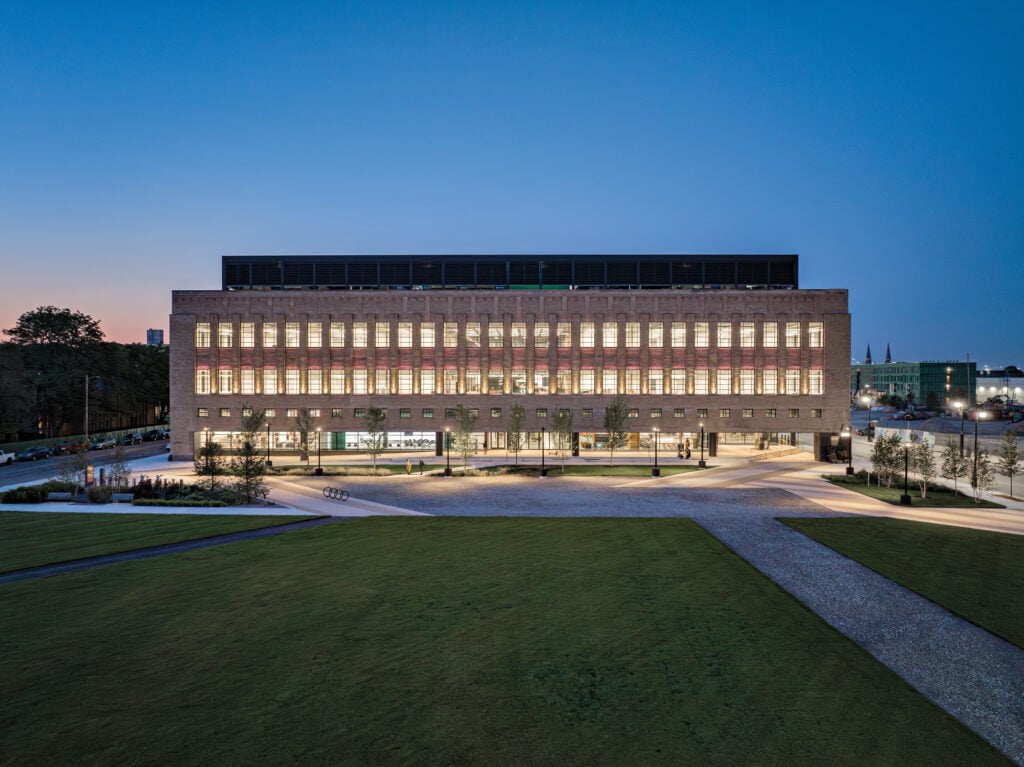
Behind the Fine Art and Science of Glazing
Architects today are thinking beyond the curtain wall, using glass to deliver high energy performance and better comfort in a variety of buildings.
Products
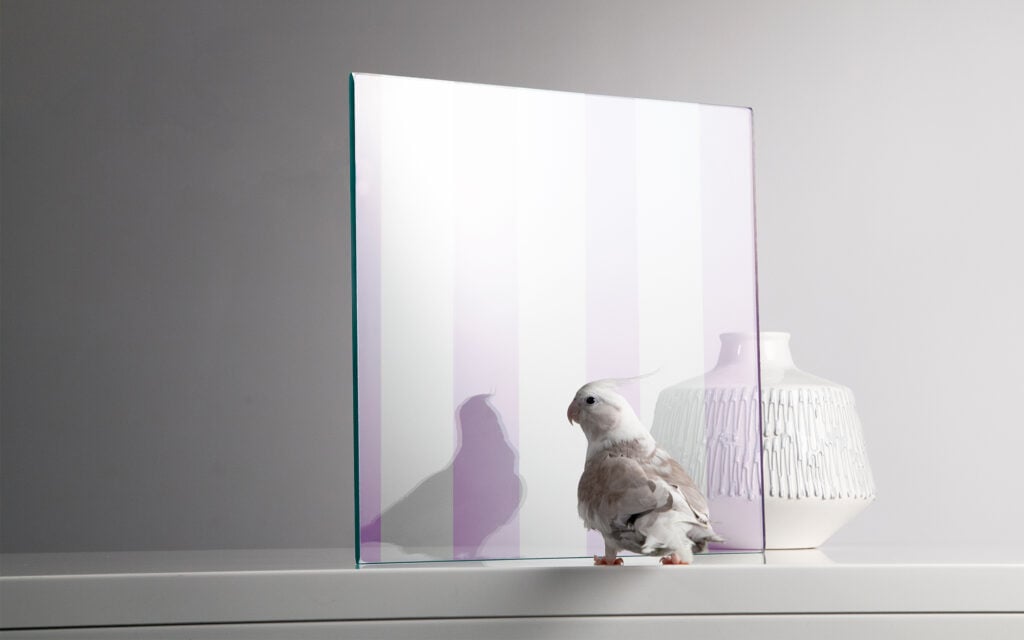
3 Invisible Technologies Transforming Glass
New glass technologies from leading manufacturers are enhancing energy performance, safety, and comfort without compromising aesthetics.
Would you like to comment on this article? Send your thoughts to: [email protected]
Latest
Projects
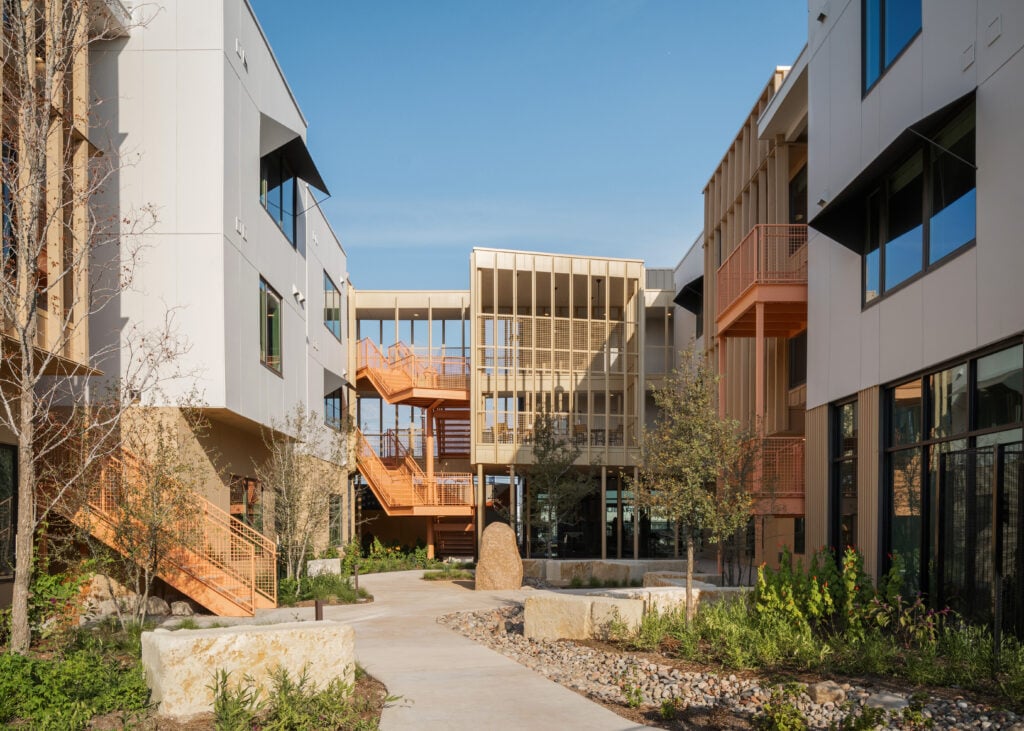
Where Housing Meets Humanity
Three innovative housing projects that focus on care, community, and climate, redefining public housing with dignity.
Projects
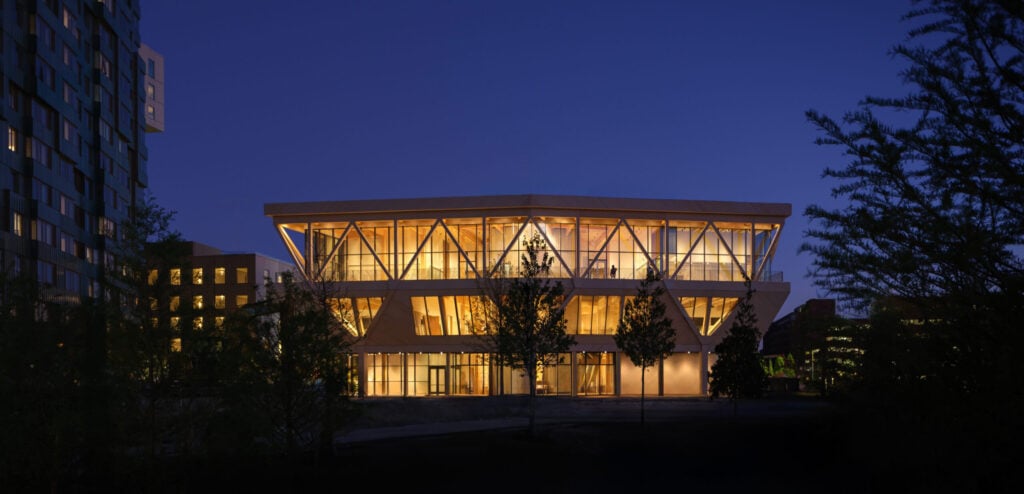
Jeanne Gang on Harvard’s New Rubenstein Treehouse
The architect unpacks how material, structure, and openness converge in the university’s first mass timber building.